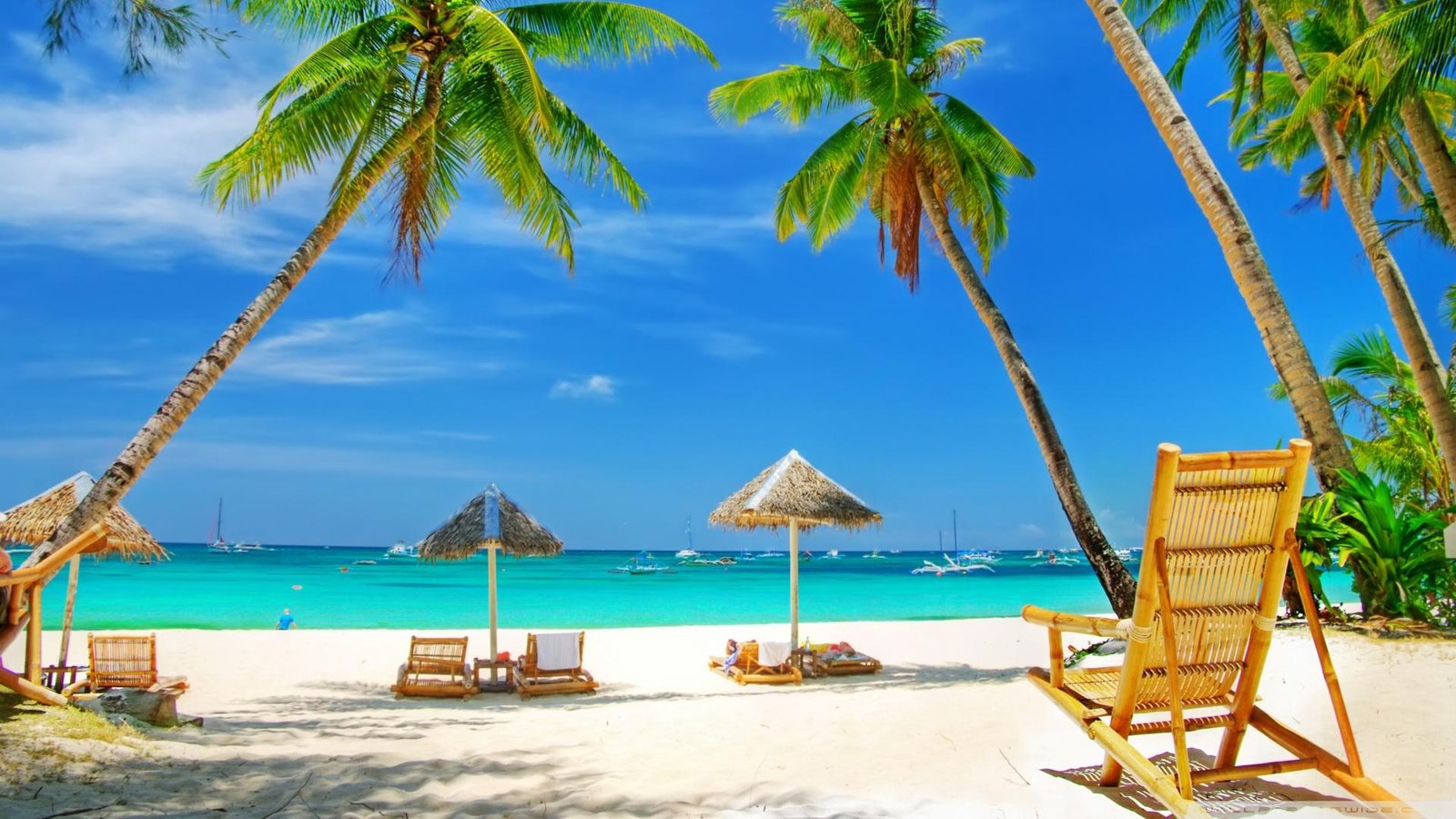
Trinidad and Tobago will always be home for me. I grew up there until I was 16, went to school, played in the rain, snuck mangoes off trees (don’t judge 😄), and learned what real island life feels like.
Trinidad is pure energy, loud, colorful, full of rhythm and flavor. There’s always music somewhere, from the steel pan echoing through the streets to the sound systems warming up for Carnival (which, by the way, is the greatest show on Earth, no debate!).
And the food? Unbeatable. Give me a doubles from a roadside vendor, a plate of pelau, or a roti stuffed with curry goat and I’m in heaven. On weekends, everyone’s “liming”, that’s Trini talk for hanging out, at the beach, by a bar, or just on the corner with friends, laughter, and good vibes.
Then there’s Tobago, my peaceful escape. It’s calm, beautiful, and feels like time slows down the moment you step off the ferry. I still remember the scent of the sea and those quiet beaches, it’s a whole different kind of magic.
Growing up in Trinidad and Tobago taught me how to live life with rhythm, kindness, and joy. No matter where I go, that island spirit never leaves me. 💃🏽🌴
The history of Trinidad & Tobago is as rich and layered as its culture — a blend of Indigenous roots, colonial conquest, African resilience, Indian heritage, and modern independence. Each era left behind a rhythm, a flavor, and a spirit that still shape the islands today.
Long before Columbus arrived, both islands were home to Indigenous Amerindian peoples, mainly the Arawaks (Lokono) and Caribs (Kalinago).
They lived in small, self-sufficient communities, fishing, farming, and crafting tools and pottery. Their presence remains alive today through place names like Arouca and Caroni — both derived from Amerindian words.
Christopher Columbus landed on Trinidad in 1498, naming it after the Holy Trinity (La Isla de la Trinidad).
Spain claimed the island but did little to develop it for nearly 300 years. By the late 1700s, Trinidad’s population was small — until French planters and enslaved Africans arrived under the 1783 Cedula of Population, which encouraged migration from other Caribbean colonies. This marked the beginning of Trinidad’s multicultural mix.
Tobago, on the other hand, was a prize fought over by almost every European power — Dutch, French, British, Spanish, and Courlanders (Latvians!) — changing hands more than 30 times. The island’s sugar plantations were built on enslaved African labor, and its economy revolved around exports.
In 1797, the British seized Trinidad from Spain, and in 1802, it officially became a British colony. Tobago, which had already changed hands multiple times, was also placed under British control in 1814.
Like much of the Caribbean, Trinidad & Tobago’s early economy was powered by enslaved Africans working on sugar, cocoa, and coffee plantations.
Slavery was abolished in 1834, followed by a period of apprenticeship until full freedom in 1838. The legacy of emancipation lives on through Emancipation Day (August 1st) — a major national holiday celebrating African identity, resilience, and freedom.
After emancipation, plantation owners faced labor shortages. Between 1845 and 1917, more than 140,000 Indian laborers were brought from India under an indentureship system to work on Trinidad’s plantations.
They brought with them their religion (Hinduism, Islam), food (roti, curry), and festivals (Divali, Eid) — all of which became central to Trinidadian culture.
Smaller immigrant groups from China, Portugal, and the Middle East also contributed to the islands’ multicultural identity.
By the early 20th century, Trinidad & Tobago had become one of the most diverse and economically active islands in the Caribbean — with oil emerging as a key industry.
The islands moved toward self-government after World War II, forming part of the short-lived West Indies Federation (1958–1962).
Finally, on August 31, 1962, Trinidad & Tobago gained independence from Britain, and on August 1, 1976, it became a Republic with its own President, while remaining within the Commonwealth.
Today, Trinidad & Tobago stand as one of the most prosperous nations in the Caribbean — powered by energy exports, tourism, and a vibrant creative industry.
The islands are known worldwide for Carnival, steelpan, and calypso and soca music, all of which emerged from their complex colonial and cultural past.
The nation remains proudly multicultural — a blend of African rhythm, Indian spice, European influence, and island spirit — all coexisting under one flag.
Did you know? The steel pan, the only acoustic instrument invented in the 20th century, was created in Trinidad from oil drums after World War II. What began as an act of rebellion against colonial bans on drumming became one of the world’s most joyful sounds — and a global symbol of innovation and resilience.
Trinidad & Tobago is one of those destinations that feels welcoming from the moment you land. Warm air, warm smiles, and that unmistakable Caribbean rhythm let you know you’ve arrived somewhere special. Whether you’re heading to Trinidad for culture, Carnival, and cuisine — or Tobago for beaches, reefs, and slow island days — a little preparation goes a long way.
What I love about entering Trinidad & Tobago is how straightforward it is. English-speaking officials, simple entry requirements, and a relaxed but organized arrival process make it an easy destination for travelers — especially first-timers to the Caribbean.
Here’s everything you need to know before you go. 🇹🇹
Trinidad & Tobago offers visa-free entry to many nationalities for short stays.
U.S., Canadian, U.K., and most EU citizens do not need a visa for stays up to 90 days
Passport must be valid for at least 6 months
You may be asked for:
Proof of onward or return travel
Address of accommodation (hotel or local contact)
If you plan to stay longer than your initial entry period, you’ll need to apply for an extension through the Immigration Division of Trinidad and Tobago before your stay expires.
💡 Sally’s Tip: Always keep a copy (digital or paper) of your return flight and accommodation details — immigration officers may ask, especially during peak travel seasons.
There are no mandatory vaccinations required for entry if you’re arriving from most countries.
However, health authorities recommend:
Routine vaccinations (MMR, tetanus, etc.)
Hepatitis A
Typhoid, especially if you plan to eat street food or travel outside major cities
If you’re arriving from a yellow fever–risk country, proof of vaccination is required.
💡 Sally’s Tip: Street food in Trinidad is incredible (doubles, roti, corn soup!) — just choose busy stalls with high turnover for the freshest options.
English is the official language, so immigration and customs are clear and easy to navigate.
On arrival, you’ll:
Complete a simple arrival card
Declare any items if required
Clear customs (friendly but thorough)
Main Airports:
Piarco International Airport (POS) – Trinidad
A.N.R. Robinson International Airport (TAB) – Tobago
Trinidad’s airport can get busy when flights from the U.S., Canada, and the U.K. arrive close together — especially around Carnival, Christmas, and Easter. Tobago’s airport is much smaller and usually faster.
💡 Sally’s Tip: If you’re carrying professional equipment (camera gear, drones, musical instruments), expect extra questions at customs — be patient and have documentation ready.
Travel insurance is strongly recommended, especially if you plan to:
Hike waterfalls
Explore rainforests
Dive or snorkel in Tobago
Hospitals in Port of Spain and San Fernando are well-equipped. Tobago has more limited facilities, so insurance coverage is especially important there.
Make sure your policy includes:
Emergency medical care
Medical evacuation
Lost or delayed baggage
Trip interruptions
💡 Sally’s Tip: Save your insurance details offline on your phone — Wi-Fi isn’t always guaranteed outside major towns.
Timing matters in Trinidad & Tobago — especially in Trinidad.
Carnival Season (Jan–Mar): Flights and accommodations sell out fast
Christmas & Easter: High travel demand
Dry Season (Jan–May): Best weather
Wet Season (Jun–Dec): Greener landscapes, fewer crowds, occasional heavy rain
💡 Sally’s Tip: If you’re visiting during Carnival, book flights at least 6 months in advance. Even if you don’t “play mas,” the energy, music, and fetes are unforgettable.
🐦 Sunny’s Fun Fact:
Trinidad & Tobago is one of the few countries where you can experience two completely different island vibes in one trip — Trinidad’s fast-paced culture, nightlife, and festivals, and Tobago’s calm beaches and coral reefs — just a 25-minute flight apart. 🌊✨
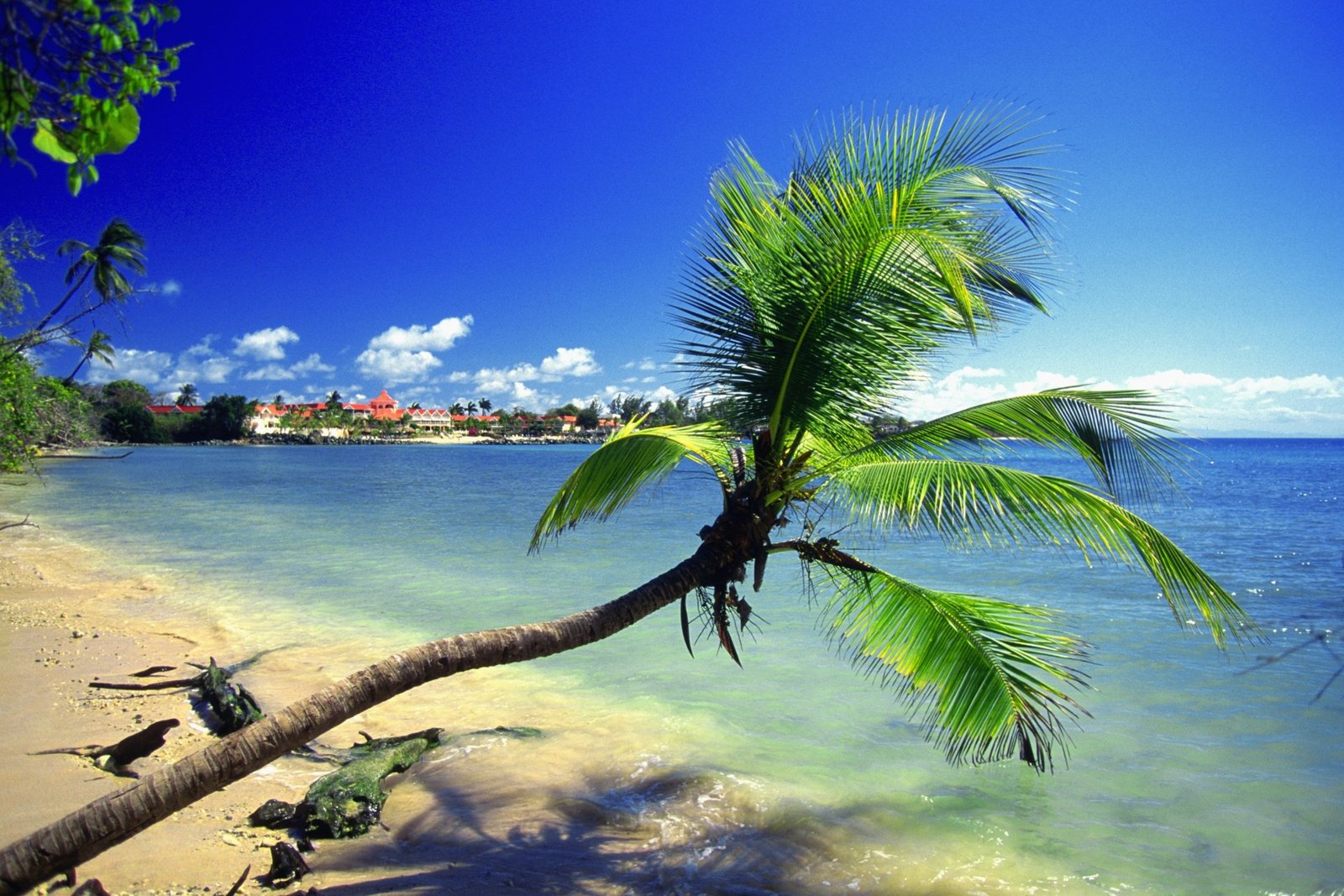
Money in Trinidad and Tobago works at a relaxed Caribbean pace — practical, flexible, and refreshingly low-stress once you know what to expect. While cards are becoming more common, cash still plays a big role, especially outside major hotels and tourist hubs.
When traveling between Trinidad and Tobago, I learned quickly that having local currency on hand makes life easier — whether you’re grabbing a doubles in Port of Spain or a fresh coconut on Store Bay Beach.
The official currency is the Trinidad and Tobago Dollar (TTD), written as TT$ or simply $ locally.
The exchange rate typically hovers around TT$6.7 = US$1, though it may vary slightly by bank or exchange location.
U.S. dollars are sometimes accepted in tourist areas (especially in Tobago), but change is almost always given in TT dollars.
For official monetary information, the Central Bank of Trinidad and Tobago publishes current financial guidance:
🔗 https://www.central-bank.org.tt
You’ll get the best exchange rates at local banks, not airport kiosks.
Recommended banks:
Republic Bank – https://www.republictt.com
Scotiabank Trinidad & Tobago – https://tt.scotiabank.com
First Citizens Bank – https://www.firstcitizensbank.com
Additional tips:
Some hotels in Port of Spain exchange USD, but usually at less favorable rates.
In Tobago, ATMs are mainly concentrated in Scarborough and Crown Point — machines can run out of cash, especially on weekends or during festivals.
It’s smart to withdraw cash in Trinidad before flying to Tobago, just in case.
ATMs are reliable in Port of Spain, San Fernando, Chaguanas, and Arima.
Avoid standalone ATMs in isolated areas.
Look for Visa/Plus or Cirrus logos for international withdrawals.
Always notify your bank before traveling to avoid fraud blocks.
💳 Pro Tip:
Some card machines default to charging in USD. Always select TTD to avoid hidden conversion fees.
Visa & Mastercard are widely accepted at hotels, restaurants, and larger stores.
Cash is preferred for:
Street food vendors
Taxis
Local markets
Beach bars and small shops
American Express is less commonly accepted.
🏝️ Reality Check:
You can manage mostly by card in Trinidad, but in Tobago, cash is still king — especially near beaches and rural areas.
Tipping in Trinidad and Tobago is appreciated, not expected — very different from the U.S.
What’s normal:
Restaurants:
10% is standard if a service charge isn’t already included
Upscale restaurants often add 10–15% service charge — always check your bill
Taxis:
Not required; rounding up to the nearest TT$5 or TT$10 is polite
Hotels:
Porters: TT$5–10 per bag
Housekeeping: TT$10–20 per day
Tour Guides:
10–15%, depending on group size and experience
Street Food Vendors:
No tipping — just good vibes and a friendly “thank yuh!”
Always carry small bills — TT$1, $5, and $10.
Taxi drivers, local shops, and even gas stations often don’t have change. It’s not a scam — it’s just the Caribbean way. Coins also come in handy for ferry snacks or parking meters.
The TT$100 bill features the Cocrico, Tobago’s national bird, while the TT$20 bill showcases the Scarlet Ibis, Trinidad’s national bird — both of which you can see in the wild at places like Tobago’s Main Ridge Forest Reserve or Trinidad’s Caroni Bird Sanctuary. 🦜🇹🇹


If there’s one thing I can tell you from growing up in Trinidad, it’s this: we don’t do “summer” and “winter.”
Life here runs on two seasons only — dry season and rainy season — and both shape how you pack, plan, and experience the islands.
Each season has its own rhythm, beauty, and personality. Knowing what to expect makes the difference between feeling sticky and miserable… or cool, confident, and Caribbean-ready. 🌴
Trinidad and Tobago have a tropical climate year-round, with average temperatures between 75°F–90°F (24°C–32°C).
The islands sit just south of the main Atlantic hurricane belt, meaning:
Direct hurricanes are rare
Heavy rain and tropical systems are more common than destructive storms
For official forecasts and seasonal updates, the Trinidad and Tobago Meteorological Service is the most reliable source:
🌐 https://www.metoffice.gov.tt
This is widely considered the best time to visit Trinidad and Tobago.
What to expect:
Clear blue skies
Lower humidity
Cooler evenings
Perfect beach weather
Carnival season energy (January–March)
You may also notice:
Occasional Saharan dust drifting across the Atlantic (especially Feb–April)
Hazy skies and stunning red-orange sunsets 🌅
💡 Local Insight:
That Sahara dust is real — and while it can trigger allergies for some, it also brings some of the most dramatic sunsets you’ll ever see.
Rainy season doesn’t mean constant rain — it means short, intense downpours, usually in the afternoon.
What to expect:
Lush green landscapes
Higher humidity
Quick cooling rain showers
Plenty of sunshine between storms
Regional difference:
Tobago generally gets more rain than Trinidad, especially in forested and hilly areas
Rainfall is heaviest between August–November
💡 Reality Check:
You’ll still have beach days — just plan outdoor activities earlier in the day.
Trinidad and Tobago style is casual, confident, and climate-smart. Comfort always comes first.
Lightweight cotton or linen clothing
Shorts, tank tops, sundresses, and swimsuits
Breathable underwear (humidity is no joke)
Light jacket or shawl for air-conditioned spaces
Comfortable sandals or walking shoes
💡 Skip dark colors — they trap heat fast.
Compact umbrella or rain poncho
Quick-dry clothing (humidity laughs at denim)
Waterproof phone pouch
Extra socks (you’ll thank me)
Trinidadians love to dress up — especially for:
Carnival fetes
Clubs
Rooftop bars
Nice restaurants
Pack:
Ladies: flowy dresses or stylish jumpsuits
Men: collared shirts with jeans or chinos
Tobago vibe:
More relaxed — beach chic rules. Flip-flops, maxi dresses, linen shirts all fit right in.
Beachwear stays at the beach
Avoid swimsuits in:
Malls
Downtown Port of Spain
Government buildings
Religious sites (churches, Hindu temples):
Cover shoulders and knees
Carry a light shawl or scarf
💡 Respect goes a long way — modest dress outside tourist zones is appreciated.
Pack a quick-dry swimsuit cover-up.
Between spontaneous dips in Tobago’s Nylon Pool and roadside waterfalls in Trinidad, you’ll use it constantly — and probably wish you brought two.
Tobago’s Main Ridge Forest Reserve is the oldest protected rainforest in the Western Hemisphere, declared protected in 1776 — older than many national parks worldwide 🌳
It’s perfect for hikes, birdwatching, and waterfalls… just don’t forget insect repellent and breathable hiking gear!
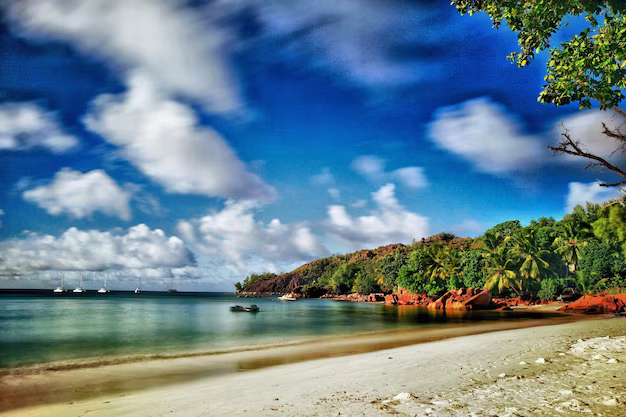
Getting around Trinidad and Tobago is part of the adventure — a little chaotic, sometimes unpredictable, but always full of personality. From short inter-island flights to blasting soca music in a maxi taxi, transportation here reflects the rhythm of island life. Knowing what to expect will save you time, money, and stress — and help you travel like a local.
Piarco International Airport is the main international gateway into Trinidad and Tobago. It’s located about 40 minutes from Port of Spain (traffic depending — and yes, Trinidad traffic can test your patience).
What to expect:
Modern terminal
Duty-free shopping
Food courts and cafés
Car rental desks
Currency exchange and ATMs
Official airport website:
🌐 https://www.tntairports.com/piarco
💡 Sally’s Tip:
Arrivals can feel slow when multiple long-haul flights land at once. Be patient — this is island time easing you in.
Tobago’s airport is small, friendly, and laid-back — exactly what you want when landing in paradise.
Flights are mostly:
Domestic (from Trinidad)
Regional (Barbados, Grenada, sometimes international charters)
Amenities are limited but efficient, and baggage claim is usually quick.
Official airport website:
🌐 https://www.tntairports.com/tobago
💡 Sally’s Tip:
Don’t expect big-city airport shopping here — grab snacks and essentials before you fly over if needed.
If you’re visiting both islands, flying is the fastest option.
✈️ Inter-Island Flights
Duration: ~25 minutes
Airline: Caribbean Airlines
Multiple daily departures
Typical cost:
Around US$25–40 one way (prices vary seasonally)
Official airline website:
🌐 https://www.caribbean-airlines.com
💡 Sally’s Tip:
Book early during Carnival, Easter, and Christmas — flights sell out fast, especially Friday and Sunday evenings.
The Trinidad–Tobago ferry is a cultural experience on its own and a popular option for locals.
Route: Port of Spain ⇄ Scarborough
Travel time: 3.5–4 hours
Main vessels:
TT Spirit – Passenger-only fast ferry
Galleons Passage / Buccoo Reef – Roll-on/roll-off ferries (cars + passengers)
Ticket prices:
Approx. TT$100–150 for passengers
Official ferry information & bookings:
🌐 https://www.nidco.gov.tt/ferry-services
💡 Sally’s Tip:
If you get motion sickness, sit mid-ship on a lower deck — it’s the most stable spot.
There are no meters, so always agree on the fare first.
Types:
Private taxis – More expensive but direct
Route taxis – Shared cars running fixed routes (cheap and local)
💡 Sally’s Tip:
Route taxis are great for short distances, but they’re not luggage-friendly.
Maxi taxis are color-coded vans running fixed routes — loud music included.
Red band: East-West Corridor (Port of Spain ⇄ Arima)
Green band: Southern routes (San Fernando, Chaguanas)
Yellow band: Short city routes
It’s loud, lively, and very Trini.
💡 Sally’s Tip:
If you hear soca blasting, you’re in the right place.
Renting a car gives you the most freedom.
Key notes:
Drive on the left
Roads are decent but traffic is heavy during rush hour
Locals drive… assertively
Use:
Google Maps
Waze (very popular locally)
💡 Sally’s Tip:
Rush hour (6:30–9 AM and 3–6 PM) can double your travel time — plan accordingly.
Tobago is smaller, calmer, and easier to navigate.
You can drive end-to-end in about 2 hours
Roads are generally well maintained
Transportation options:
Taxis: Safe and friendly, but pricier than Trinidad
Car rentals: Highly recommended
Maxi taxis & route taxis: Limited and irregular
💡 Sally’s Tip:
Rent a car for at least a couple of days so you can explore beaches like Englishman’s Bay, Castara, and Pigeon Point at your own pace.
There is no Uber or Lyft in Trinidad and Tobago.
Local options:
TT RideShare – Works in major Trinidad areas
Drop – Local taxi app
Bus service:
Operated by PTSC (Public Transport Service Corporation)
Best for intercity routes, limited for flexible sightseeing
Official PTSC site:
🌐 https://www.ptsc.co.tt
Trinidad once had a railway system connecting Port of Spain to San Fernando, launched in the 1800s. While it shut down decades ago, you can still spot old tracks and station ruins in rural areas — a quiet reminder of the island’s transport history 🚂🌴
Whether you’re coming for Carnival madness, a romantic Tobago escape, or a quiet stay that feels local and grounded, accommodations in Trinidad and Tobago offer something for every travel style. From high-rise waterfront hotels to family-run guesthouses and eco-lodges tucked into rainforest hills, where you stay here truly shapes your experience.
I’ve stayed in everything from city hotels in Port of Spain to beach cottages in Tobago — and here’s the truth: the right place matters more than the fanciest one.
Best for Carnival, nightlife, business travel, and first-time visitors. You’ll be close to Queen’s Park Savannah, restaurants, music venues, and major events.
Top stays:
Hyatt Regency Trinidad – modern, waterfront, and the top choice during Carnival
🌐 https://www.hyatt.com/en-US/hotel/trinidad-and-tobago/hyatt-regency-trinidad/posrt
Kapok Hotel – locally owned, tropical garden vibe, walking distance to the Savannah
🌐 https://www.kapokhotel.com
Hilton Trinidad & Conference Centre – hillside views, large pool, quieter setting
🌐 https://www.hilton.com/en/hotels/poshihh-hilton-trinidad-and-conference-centre
💡 Sally’s Tip:
Carnival season (February–March) is not last-minute friendly. Prices triple, and rooms sell out months ahead — even in budget hotels.
Ideal if you want quieter suburban areas with easy access to malls, local food spots, and the airport. Great for longer stays or visiting friends and family.
Easy access to Piarco International Airport
Under 30 minutes to Port of Spain without traffic
Less touristy and more local. Best for:
Visiting family
Exploring southern Trinidad
Business tied to the industrial or energy sector
Expect smaller hotels, guesthouses, and Airbnbs rather than big chains.
Tobago is all about slowing down. Beach time, reef swims, quiet mornings, and sunset dinners rule here — and where you stay sets the tone.
Best for first-timers, close to the airport and Tobago’s most famous beaches.
Top stays:
Coco Reef Resort & Spa – classic beachfront resort
🌐 https://www.cocoreeftobago.com
Tropikist Beach Hotel – comfortable, central, and walkable
🌐 https://www.tropikist.com
Shepherd’s Inn – boutique Caribbean charm with a personal touch
🌐 https://www.shepherdsinn.com
Tobago’s capital. More local, practical, and authentic.
Close to the ferry terminal
Easy access to markets, shops, and transport
Mid-range hotels and guesthouses dominate
For travelers who want nature, peace, and postcard views.
Eco-lodges
Guesthouses perched on hills
Minimal nightlife, maximum tranquility
💡 Sally’s Tip:
If you stay here, rent a car. The beauty is worth it, but transport options are limited.
Best for:
Security
Pools and amenities
Easy logistics
Mostly found in Port of Spain and Crown Point.
One of the best ways to experience Trinidad and Tobago.
Family-run
Home-cooked breakfasts
Insider tips you won’t find online
Perfect for:
Families
Groups
Longer stays
Tobago, especially, has ocean-view villas that rival resorts at half the price.
Ideal for:
Nature lovers
Bird watchers
Sustainable travel
Expect:
Solar power
Fresh fruit trees
Morning birdsong instead of alarms
Luxury resorts: US$180–400
Mid-range hotels: US$80–150
Guesthouses & Airbnbs: US$40–90
Budget stays: US$25–50
Prices increase significantly during:
Carnival
Easter
Christmas
Off-season (May–November) offers the best deals.
Many guesthouses prefer direct booking via WhatsApp or email
Always confirm air conditioning and hot water
Ask about backup power — outages are rare but possible
In Tobago, a kitchen adds huge value
💡 Sally’s Tip:
Read recent reviews carefully. “Rustic” can mean charming… or it can mean roosters at 5 a.m. Know which one you’re booking.
In Tobago, many guesthouses have been family-owned for generations. Don’t be surprised if your host welcomes you with a fresh mango, a cup of bush tea, and a story about “back when the ferry only ran twice a week and nobody locked doors.” 🌴💛
This is where my heart and my stomach light up, because food in Trinidad and Tobago is not just food. It is history, identity, and pure personality on a plate. Every bite tells a story shaped by African, Indian, Chinese, Indigenous, and Creole influences, blended into flavors that could only come from these islands.
Whether you are grabbing breakfast from a street vendor before work, eating beach food with sand still on your feet, or sitting down for a sunset dinner in Tobago, one thing is guaranteed. You will eat well, and you will remember it long after the trip ends.
If you eat one thing in Trinidad, let it be doubles. Soft fried bara filled with curried channa, topped with tamarind, cucumber, and pepper sauce. It is messy, spicy, affordable, and wildly addictive. Locals eat it for breakfast, lunch, late nights, and post-fête recovery.
💡 Sally’s Tip:
Order “slight pepper” the first time. Trinidadian pepper is not a joke, even when people say it is mild.
Roti is comfort food at its finest. Curried chicken, goat, shrimp, or vegetables wrapped in dhalpuri or buss-up-shot roti, torn and soft like fabric. This is a full meal that will keep you satisfied for hours.
Local favorites in Port of Spain and St. James:
The Roti Café
Hott Shoppe
A one-pot classic made with caramelized chicken, rice, pigeon peas, coconut milk, and green seasoning. Pelau is Sunday food, beach food, and family gathering food. Every household swears theirs is the best.
A Trinidad icon found at Maracas Beach. Fried shark stuffed into fried bake bread, then loaded with toppings you choose yourself. Garlic sauce, tamarind, pineapple, pepper, shadow beni. It is a build-your-own masterpiece.
🌐 Official site for Maracas Bay information:
https://www.tourism.gov.tt
Late-night street food royalty. Thick, creamy, spicy soup made with corn, dumplings, and split peas. You will find it bubbling in large pots near bars, fêtes, and busy streets after dark.
Tobago’s food scene is slower, more traditional, and deeply tied to the sea.
This is Tobago’s signature dish. Fresh blue crab cooked in curry and coconut milk, served with chewy boiled dumplings. It is rich, filling, and unforgettable.
Simple, flavorful, and usually cooked fresh near the beach. Expect bold seasoning, fresh herbs, and a relaxed island pace.
💡 Sally’s Tip:
At Store Bay in Tobago, each food stall has its own curry crab recipe. Locals will argue about who cooks best, and they will all be right.
Mauby: Bitter-sweet drink made from tree bark. Acquired taste, but deeply traditional.
Sorrel: Hibiscus drink with ginger and cloves, most popular at Christmas.
Peardrax: Sweet, fizzy pear soda, old-school and beloved.
Fresh Coconut Water: Chopped roadside, cold, and unbeatable in the heat.
Carib Beer and Stag Beer: National pride in a bottle.
Rum Punch: Sweet, strong, and often heavier on the rum than the juice. Tobago beach bars do it best.
🌐 Official Trinidad and Tobago tourism site for food festivals and culinary events:
https://visittrinidad.tt
Street food is a way of life. Vendors set up near schools, offices, beaches, and gas stations. Food is fast, fresh, and full of personality.
Formal dining thrives in Port of Spain, where chefs blend Caribbean ingredients with international techniques. Tobago dining is more relaxed. Kitchens often close earlier, service moves slower, and no one is in a rush. That is the point.
💡 Sally’s Tip:
Island time is real. Do not rush meals. Food here is meant to be enjoyed, not inhaled.
Trinidadian pepper sauce is powerful. Even experienced spice lovers get humbled.
Ask for slight pepper first
Add more gradually
Respect the sauce
Trinidad and Tobago have one of the strongest street-food cultures per capita in the Caribbean. It is entirely possible to eat breakfast, lunch, and dinner from street vendors for under $10 USD total, and still have some of the best meals of your life. 🌴🍴
Trinidad and Tobago are vibrant, welcoming, and full of life, but like anywhere in the world, being informed makes all the difference. With a little awareness and local know-how, most travelers experience these islands without any issues at all.
Having lived here for years, I can say this with confidence. People look out for each other, help comes quickly when needed, and common sense goes a long way. Know where you are, trust your instincts, and you’ll be just fine.
Healthcare in Trinidad and Tobago is reliable, with Trinidad offering more advanced medical facilities than Tobago.
If you need anything beyond a minor clinic visit, Trinidad, especially Port of Spain and South Trinidad, is where you want to be.
St. Clair Medical Centre (Port of Spain)
Private, modern, and efficient
https://www.stclairmed.com
Port of Spain General Hospital
Public hospital with emergency services
https://health.gov.tt
San Fernando General Hospital
Largest hospital in South Trinidad
https://health.gov.tt
Scarborough General Hospital handles most emergencies.
Serious cases may be transferred to Trinidad by air ambulance.
🌐 Official Ministry of Health site:
https://health.gov.tt
Pharmacies are easy to find in both islands, especially near malls and supermarkets.
Popular chains:
SuperPharm (extended hours, wide selection)
Xtra Foods Pharmacy
Independent neighborhood pharmacies
You can get cold medicine, allergy relief, painkillers, and first-aid items without prescriptions.
💡 Sally’s Tip:
Local insect repellents like OFF! and BOP are designed for Caribbean mosquitoes and work better than many imported brands.
No mandatory vaccines are required, but it’s recommended to be up to date on:
Routine vaccines (MMR, tetanus)
Hepatitis A and B
Typhoid (optional but smart for heavy street-food eating)
Mosquito-borne illnesses such as dengue and chikungunya occur occasionally.
Prevention tips:
Use insect repellent daily
Wear light, breathable long sleeves at dusk
Stay in accommodations with screens or air conditioning
Water is generally safe in urban areas, but bottled or filtered water is recommended in rural regions.
🌐 CDC travel health guidance:
https://wwwnc.cdc.gov/travel/destinations/trinidad-and-tobago
Most visits are trouble-free, but awareness matters.
Be mindful in busy areas like Port of Spain, transport hubs, and large events
Avoid flashing jewelry, high-end cameras, or large amounts of cash
Use registered taxis or local apps instead of random pickups
During Carnival, use zipped crossbody bags and keep phones secured
Generally quieter and lower crime
Still secure valuables at your accommodation
Beach vendors are friendly, a polite “no thank you” is enough
💡 Sally’s Tip:
Confidence and awareness matter more than fear. Walk with purpose, know where you’re going, and you’ll blend in easily.
Save these before you arrive.
Police, Fire, Ambulance:
Trinidad: 999
Tobago: 990
Tourist Police (Port of Spain):
(868) 627-8784
Scarborough General Hospital (Tobago):
(868) 660-4744
Trinidad & Tobago Coast Guard:
(868) 634-1476
🌐 Trinidad and Tobago Police Service:
https://ttps.gov.tt
💡 Sally’s Tip:
Always save your hotel or host’s phone number. Local staff often resolve issues faster than calling directly.
Travel insurance is strongly recommended and should include:
Medical emergencies
Medical evacuation between islands
Theft or loss of belongings
Trip interruptions
Carnival travelers should consider extra coverage for events, crowds, and personal items.
💡 Sally’s Tip:
If you travel often, an annual multi-trip policy is usually cheaper and more flexible.
Stay hydrated, the heat is real
Pace yourself, especially during Carnival or long beach days
Wear sunscreen daily, even on cloudy days
Comfortable shoes matter, especially in cities and markets
Trinidad and Tobago’s Coast Guard is one of the most respected small-island rescue teams in the Caribbean. They regularly train with U.S. and U.K. forces and respond quickly to marine and coastal emergencies. So whether you’re on land or sea, help is never far away. 🚤🌊


Shopping in Trinidad and Tobago is as vibrant and layered as the islands themselves. From modern malls and bustling city markets to quiet Tobago craft stalls, shopping here is about more than buying things — it’s about culture, conversation, and connection. You’re not just picking up souvenirs, you’re taking home pieces of island life.
I still have jewelry, spices, and handmade pieces from home that instantly transport me back to the sounds of steel pan, the scent of pepper sauce, and the rhythm of everyday island living.
Trinidad’s capital offers the widest variety of shopping, blending modern retail with deep-rooted local craftsmanship.
The Falls at Westmall
A stylish, air-conditioned shopping complex with fashion boutiques, jewelry, cosmetics, and cafés.
https://thefallsatwestmall.com
Trincity Mall
One of the largest malls in the Caribbean, featuring international brands, electronics, a cinema, and extensive dining options.
https://trincitymall.com
Long Circular Mall
A convenient mix of local shops and chain stores, great for budget-friendly finds and everyday shopping.
Queen’s Park Savannah Craft Market
One of the best places for authentic souvenirs, including handmade jewelry, local art, carvings, and Caribbean keepsakes.
💡 Sally’s Tip:
Friendly bargaining is part of the culture in local markets. Keep it respectful, smile, and don’t rush — conversation matters just as much as the sale.
Tobago’s shopping scene is slower-paced and more personal, with a strong focus on handmade goods and community vendors.
Store Bay Craft Market
Colorful stalls selling batik sarongs, handcrafted jewelry, wood carvings, and locally inspired accessories.
Scarborough Market
The best place to find local produce, spices, cocoa, herbs, and homemade pepper sauces. It’s also a great spot to experience everyday Tobagonian life.
Sunday School Night Market, Buccoo
A cultural experience more than just shopping. Expect food vendors, local crafts, live music, and steel pan performances during Tobago’s famous Sunday lime.
💡 Sally’s Tip:
Whenever possible, buy directly from artisans. You’ll get better quality, better stories, and you’ll support families who rely on their craft.
If you can’t take the whole Caribbean with you, these items are truly worth the suitcase space.
Local Spices and Seasonings
Green seasoning, curry blends, and pepper mixes unique to Trinidadian cooking.
Trinidad Pepper Sauce
Bold, flavorful, and not for the faint of heart. Look for brands like Matouk’s, or buy homemade versions from trusted vendors.
https://www.matouks.com
Local Jewelry and Art
Handcrafted earrings, woodwork, paintings, and batik fabrics found at the Savannah or Tobago markets.
Trinidad Cocoa and Chocolate
Trinidad produces some of the world’s finest fine-flavor cocoa.
The Trinidad Chocolate Company
https://trinidadchocolatecompany.com
Ortinola Estate Cocoa
https://ortinolacocoa.com
Rum and Bitters
Angostura Bitters is a national icon, and Angostura 1919 Rum is a smooth classic.
https://www.angosturaglobal.com
Steel Pan Souvenirs
Mini steel drums, music-themed gifts, and locally inspired memorabilia celebrating the birthplace of the steel pan.
Cash is preferred in most markets, especially in Tobago
Carry small TT dollar bills, vendors often cannot break large notes
Some sellers accept U.S. dollars, but change is usually given in TT dollars
Credit cards are rarely accepted at craft stalls
Check airline and customs rules for liquids if buying rum or pepper sauces
🌐 Trinidad and Tobago Customs and Excise Division
https://customs.gov.tt
💡 Sally’s Tip:
If you’re visiting during Carnival or Christmas, markets overflow with handmade costumes, jewelry, and seasonal sweets. These one-off festival finds often become the most meaningful souvenirs.
Angostura Bitters, used in cocktails all over the world, was invented in Trinidad in the early 1800s. The recipe is still a closely guarded secret, and every bottle you see abroad traces its roots right back to Port of Spain. 🍹🇹🇹
The most famous beach in Trinidad — and for good reason. Surrounded by lush green mountains and clear waters, it’s where locals head on weekends. Grab a bake & shark, sit on the sand, and listen to soca music in the background.
💡 Sally’s Tip: Go early on Sundays to beat the traffic — and stop at the scenic lookout point on the way for breathtaking views.
🔗 Official info:
Tourism Trinidad – Beaches: https://visittrinidad.tt
A mangrove wetland where flocks of scarlet ibises (Trinidad’s national bird) return at sunset — it’s one of the most magical sights on the island.
Take a guided boat tour; most leave around 4:30 p.m. so you can catch the red glow of hundreds of birds against the twilight sky.
🔗 Official info:
National Parks & Wildlife Authority (Forestry Division): https://www.forestry.gov.tt
The heart of Port of Spain. Walk or drive around the Savannah and admire colonial mansions known as the “Magnificent Seven.” On weekends, grab street food from vendors along the perimeter — corn soup, souse, and pholourie await.
🔗 Official info:
Tourism Trinidad – Port of Spain: https://visittrinidad.tt
The largest natural deposit of asphalt in the world — and you can walk on it! It feels like stepping on firm jelly. Local guides share fascinating stories about its formation and healing properties.
🔗 Official info:
Trinidad & Tobago Tourism – Pitch Lake: https://visittrinidad.tt
Nestled in the Northern Range rainforest, this eco-lodge and bird sanctuary is heaven for nature lovers. Expect hummingbirds, waterfalls, and peaceful trails.
🔗 Official website:
Asa Wright Nature Centre: https://www.asawright.org
Hidden in the hills, this small Catholic village is famous for its Parang music during Christmas. The drive is steep but worth it for panoramic views and fresh mountain air.
🔗 Local cultural info:
National Trust of Trinidad & Tobago: https://nationaltrust.tt
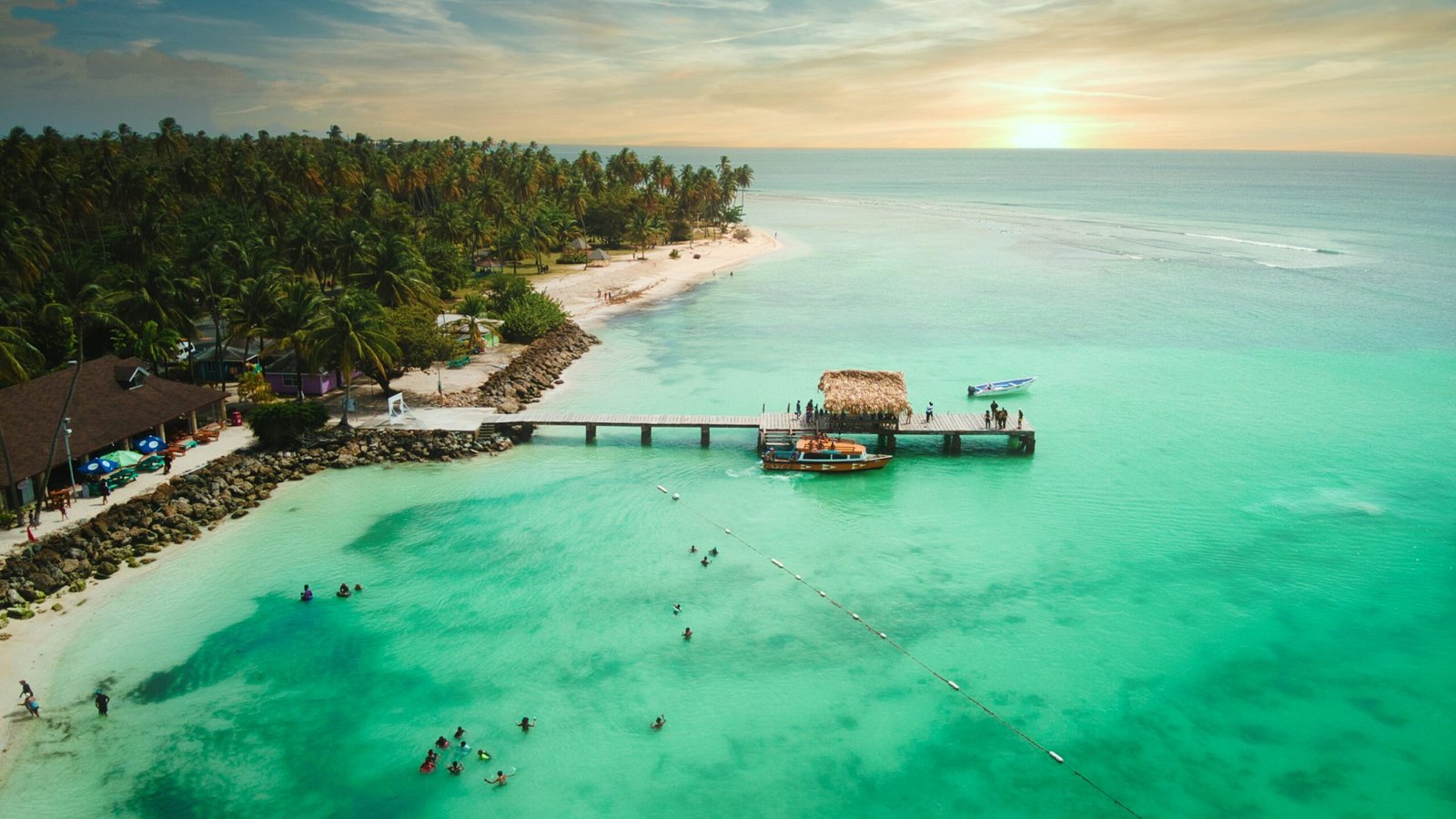
Iconic and postcard-perfect — white sand, turquoise water, and the famous thatched jetty you’ve seen on a hundred Caribbean posters.
Entrance fee: TT$20.
💡 Sally’s Tip: Visit early morning for peace or late afternoon for sunset photos.
🔗 Official info:
Tobago Tourism Agency – Pigeon Point: https://visittobago.gov.tt
This natural “pool” in the middle of the sea has water so clear it feels unreal. Locals say a dip there rejuvenates your skin (worth testing!). Take a glass-bottom boat tour to Buccoo Reef on the same trip.
🔗 Official info:
Buccoo Reef Marine Park Trust: https://www.buccooreef.org
Tobago’s tallest waterfall — a 3-level cascade surrounded by rainforest. You can swim in the pools and even stand under the falls for a free massage.
🔗 Official info:
Tobago Tourism Agency – Argyle Waterfall: https://visittobago.gov.tt
Located in Scarborough, this historic fort offers sweeping ocean views and a small museum. It’s a great place to learn about Tobago’s colonial past.
🔗 Official info:
Tobago Museum / Fort King George: https://visittobago.gov.tt
Hidden beaches that feel untouched. Perfect for those who want a quiet escape with clear water and a chance to chat with locals.
🔗 Official info:
Tobago Tourism Agency – Beaches: https://visittobago.gov.tt
A short boat ride from Speyside, this protected reserve is home to exotic birds and coral reefs. Ideal for snorkeling and nature photography.
🔗 Official info:
Tobago Forestry Division: https://www.forestry.gov.tt
Las Cuevas Beach (Trinidad): Calmer and cleaner than Maracas, great for families
Lopinot Village (Trinidad): Quaint, historical, and surrounded by cocoa estates
Parlatuvier Bay (Tobago): Peaceful fishing village with a perfect swim spot
No Man’s Land (Tobago): Sandy spit accessible only by boat
Chaguaramas Boardwalk (Trinidad): Scenic seaside walk with food stalls and sunsets
🔗 General destination info:
Trinidad Tourism: https://visittrinidad.tt
Tobago Tourism Agency: https://visittobago.gov.tt
Trinidad Carnival (Feb–Mar): The greatest show on earth
Tobago Jazz Festival (April)
Divali (Oct–Nov): Festival of Lights
Parang Season (December)
🔗 Official events calendar:
Ministry of Tourism & Culture: https://www.tourism.gov.tt
🐦 Sunny’s Fun Fact:
The water at Tobago’s Nylon Pool was named by Princess Margaret in 1962 because it was “as clear as her nylon stockings.” Locals still swear it makes you look younger after a dip — a free island spa treatment! 🏝️✨
If there’s one thing I can tell you from living in Trinidad & Tobago, it’s this — the culture isn’t something you just see; it’s something you feel. It’s in the rhythm of a steel pan, the laughter of a lime (hangout), the scent of curry drifting through the air, and the warmth of strangers who greet you like family.
These twin islands are small in size but larger than life in personality, bursting with color, music, and meaning.
Trinidad & Tobago’s culture is a reflection of its diverse roots — African, Indian, Indigenous, European, Chinese, and Middle Eastern influences, all intertwined to create one of the most vibrant multicultural societies in the world.
This diversity shows up in everything: food, festivals, music, religion, and even language.
🔗 Learn more:
Ministry of Tourism, Culture & the Arts: https://www.tourism.gov.tt
💡 Sally’s Tip: Don’t just observe the culture — join in! Whether it’s dancing to soca, eating at a Hindu temple lunch, or listening to a steel band, participation is the best way to experience it.
Trinidad and Tobago celebrate more public holidays than almost any other country in the world — and for good reason. Every religion and heritage group has space to shine.
Carnival:
The crown jewel — two days of pure freedom, music, and color. From J’Ouvert (mud and paint parade) to Pretty Mas (costume bands), it’s not just a party — it’s a cultural expression of liberation and unity.
🔗 Official Carnival info: https://www.ncctt.org
Divali:
The Hindu festival of lights. Homes glow with diyas, and neighbors share traditional sweets like gulab jamoon and kurma.
Eid al-Fitr:
Celebrated by the Muslim community with prayers, feasts, and open homes.
Christmas & Parang Season:
Trinis start celebrating Christmas from early November with Parang — Spanish-influenced folk music played with cuatro guitars and maracas.
Emancipation Day:
A deeply symbolic day honoring the abolition of slavery — celebrated with African drumming, dance, and cultural showcases.
🔗 National events & heritage: https://www.natt.gov.tt
Music is the heartbeat of Trinidad & Tobago.
Calypso tells stories — political, humorous, or poetic.
Soca makes you move — it’s the sound of Carnival and pure joy.
Steel Pan was born here — the world’s only acoustic instrument invented in the 20th century.
Chutney & Parang add the Indian and Latin spice that make the music scene unforgettable.
🔗 Cultural heritage:
National Academy for the Performing Arts (NAPA): https://napa.tt
💡 Sally’s Tip: If you visit before Carnival, go to a Pan Yard in Port of Spain. You’ll see entire communities practicing for the Panorama competition — it’s mesmerizing.
English is the official language, but locals speak Trinidadian and Tobagonian Creole English — a melodic mix of phrases and slang that reflect their history and humor.
You’ll hear things like:
“Lime” – to hang out or chill
“Wha happening?” – what’s up?
“Ah coming just now.” – I’ll be there soon (but not necessarily soon soon)
“Yuh good?” – are you okay / how are you?
“Doh study it.” – don’t worry about it
Trinis and Tobagonians are expressive talkers. Expect hand gestures, laughter, and storytelling — conversations here are an art form.
💡 Sally’s Tip: When someone says “good morning” or “good evening,” say it back! Politeness goes a long way — even strangers greet each other on the street.
Always greet people before starting a conversation
When visiting someone’s home, remove your shoes if asked and accept a drink — even if it’s just water
Dress modestly for religious sites (temples, mosques, churches)
Tipping isn’t mandatory but appreciated (around 10% at restaurants)
Trinidadians and Tobagonians are proud, resilient, and full of humor. They value community, respect, and joy — no matter what life throws at them, laughter isn’t far behind.
There’s a phrase we use often: “We making do.” It sums up the islands perfectly — resourceful, positive, and always finding a way to enjoy life.
🐦 Sunny’s Fun Fact:
The national instrument, the steel pan, was invented from oil drums in the 1930s — a symbol of creativity and defiance. It transformed from rebellion to pride, now echoing across the world as a sound of freedom and Caribbean identity. 🪘✨