Lorem ipsum dolor sit amet, consectetur adipiscing elit. Ut elit tellus, luctus nec ullamcorper mattis, pulvinar dapibus leo.
Lorem ipsum dolor sit amet, consectetur adipiscing elit. Ut elit tellus, luctus nec ullamcorper mattis, pulvinar dapibus leo.
New Zealand’s South Island feels like nature turned up to full volume — crystal-clear lakes, snow-topped mountains, and skies so pure they look photoshopped. Getting there takes some planning, but once you arrive, it’s so peaceful and organized that travel becomes effortless. The South Island is far less crowded than the North, which makes it perfect for road-trippers, outdoor lovers, and anyone craving a slower, soul-cleansing kind of adventure.
Most travelers (including Americans, Canadians, and Europeans) can enter New Zealand visa-free for up to 90 days, but you’ll need to apply for a New Zealand Electronic Travel Authority (NZeTA) before arrival.
Apply online or through the official NZeTA app at least 72 hours before your flight.
You’ll also pay a small IVL tourism tax, which supports conservation efforts.
Your passport must be valid for at least three months beyond your planned departure.
💡 Sunny’s Tip: Always double-check that your NZeTA confirmation email shows your passport number exactly as printed — any typo can delay boarding.
No special vaccinations are required for entry, but it’s smart to have basic travel insurance that covers outdoor activities — especially if you’re planning to hike, ski, or go bungee jumping (which, let’s be honest, is almost inevitable here).
Carry proof of travel insurance, especially for multi-day treks like the Milford Track or Routeburn Track.
Tap water throughout New Zealand is safe to drink — bring a reusable bottle to cut down on plastic.
💡 Sunny’s Tip: Download the CamperMate or Rankers NZ apps before you arrive — they show everything from campsites to fuel stations and dump points across the South Island.
New Zealand’s biosecurity laws are some of the strictest in the world — and for good reason. The country’s ecosystem is delicate, so border control takes soil, food, and plant materials seriously.
You must declare items like hiking boots with mud, fresh fruit, honey, wooden items, and any outdoor gear used in other countries. Inspectors are friendly but thorough — honesty is key.
If you’re unsure, declare it and they’ll help you decide.
💡 Sunny’s Tip: Clean your boots and tent before you fly — a quick wipe saves you a fine and a delay in customs.
Time Zone: New Zealand Standard Time (UTC + 12).
Best Months: November to April — that’s late spring through early autumn in the Southern Hemisphere. These months offer long sunny days perfect for road trips and hikes.
💡 Sunny’s Tip: If you visit in December or January (peak season), book accommodations and cars at least two months ahead — Kiwis vacation then too!
The South Island is built for adventurers — you won’t want to stick to one city. Most visitors fly into Christchurch, Queenstown, or Dunedin, then rent a car or campervan to explore. Public transport is limited, so self-driving is the best way to see everything.
Documents to Print or Download: Passport, driver’s license (international permit recommended), insurance, and NZeTA confirmation.
Driving Tip: Kiwis drive on the left side of the road. Take your time on winding mountain routes — they’re beautiful but narrow.
💡 Sunny’s Tip: Fuel up often — petrol stations in rural areas can be 50 to 100 km apart!
Lightweight rain jacket (it rains often on the West Coast)
Layered clothing for rapid weather changes
Hiking boots and a daypack
Sunscreen and bug repellent
Power adapter (Type I plug, 230V supply)
💡 Sunny’s Tip: New Zealand’s sun is intense because of a thin ozone layer — sunscreen isn’t optional, it’s survival!
New Zealand has no snakes or dangerous predators — even its insects are mild-mannered! It’s one of the few places on Earth where you can hike for days without worrying about bites or beasts — just watch out for cheeky kea parrots who love to steal gear for fun. 🦜
Money in New Zealand is refreshingly simple — colorful bills, no coins larger than $2, and a culture that doesn’t revolve around tipping. The South Island’s laid-back vibe extends to how people handle money: fairness, transparency, and a “no-stress” attitude. Prices are usually listed with tax already included, so what you see is what you pay.
Official currency: New Zealand Dollar (NZD $)
Common bills: $5, $10, $20, $50, $100 — made of polymer and nearly indestructible.
Coins: 10¢, 20¢, 50¢, $1, $2
💡 Sunny’s Tip: You’ll sometimes hear locals call dollars “kiwi bucks.” They’re not kidding — even the $1 coin has a kiwi bird on it!
ATMs are easy to find in all towns, though some remote areas (like the West Coast or Fiordland) have limited options. Most shops, petrol stations, and cafés accept cards.
Best cards to carry: Visa or Mastercard (debit or credit).
Contactless payments: Common — Apple Pay and Google Pay work almost everywhere.
Currency conversion: If asked, always choose to be charged in NZD, not your home currency, to avoid bad exchange rates.
💡 Sunny’s Tip: Many gas stations are self-service and card-only after dark — keep at least one card that allows overseas transactions.
Tipping in New Zealand isn’t expected — hospitality staff are paid fair wages. However, tipping has become more common in tourist towns like Queenstown, Christchurch, and Te Anau as a way of showing appreciation for great service.
Restaurants: Optional — 5–10 % if the service truly stands out.
Cafés & Bars: Locals round up the bill or drop coins in a tip jar.
Taxis & Guides: Not required, but small change or a heartfelt “thanks mate” goes a long way.
Hotel staff: Rarely tipped — unless someone goes above and beyond.
💡 Sunny’s Tip: Kiwis value humility — a genuine smile and “cheers” are often worth more than cash.
GST (Goods & Services Tax): 15 % included in all prices.
Tax refunds: Only available for goods exported directly by retailers (not for general travel purchases).
💡 Sunny’s Tip: Prices can seem high compared to Southeast Asia or Latin America, but quality and safety standards here are top-notch — you get what you pay for.
Travel costs vary depending on how you explore:
Campervan travel: NZ$100–180 per day (van + fuel + sites)
Hotels: NZ$150–300 mid-range, NZ$400+ luxury
Meals: NZ$20–30 for casual dining, NZ$60+ for fine dining
Attractions: Many hikes and natural wonders are free — you’ll spend more on adventure tours (helicopters, glacier walks, etc.).
💡 Sunny’s Tip: Download the Trail Wallet or XE Currency app to track spending — Wi-Fi can be patchy in national parks.
New Zealand’s smallest coin is 10 cents — they actually stopped minting 1- and 2-cent coins back in 1990 because it cost more to make them than they were worth. Even money here likes to keep things practical! 💜
If there’s one thing you learn quickly on the South Island, it’s that Mother Nature calls the shots. You can experience all four seasons in a single day — sunshine by the lake, drizzle by lunchtime, and snow dusting the mountain peaks by dinner. The secret? Layers, waterproof gear, and a sense of humor.
Because of its geography, the South Island’s weather varies dramatically from one coast to the other. The West Coast is lush and rainy, feeding its wild rainforests and glaciers, while the East Coast around Christchurch and Dunedin is drier and cooler. The farther south you go (hello, Invercargill!), the closer you get to Antarctic winds — so pack accordingly.
Summer (December – February): Warm, long days perfect for beaches, hikes, and road trips. Expect highs of 20–30 °C (68–86 °F).
Autumn (March – May): Crisp air and golden foliage — ideal for photography and fewer crowds.
Winter (June – August): Ski season! Queenstown and Wanaka come alive with snow sports. Temps range from 0–12 °C (32–54 °F).
Spring (September – November): Waterfalls surge, flowers bloom, and lambs bounce around the fields. Expect mixed weather and mild temps.
💡 Sally’s Tip: If you’re visiting for hiking or campervan travel, late spring (Oct–Nov) and early autumn (Mar–Apr) are the sweet spots — warm enough for adventure, calm enough to avoid the tour-bus rush.
Think layered and practical, not bulky and fancy. The key is flexibility — so you can strip down or bundle up as the weather shifts.
Essentials:
Lightweight waterproof jacket (you will need it)
Fleece or merino sweater for warmth
Quick-dry shirts and breathable base layers
Convertible hiking pants or jeans
Hat, gloves, and scarf (yes, even in spring at higher elevations)
Sunglasses and strong sunscreen — the UV rays are intense year-round
Comfortable hiking boots or trail shoes
💡 Sunny’s Tip: Merino wool is your best friend — warm, breathable, and doesn’t hold odor. It’s one of New Zealand’s greatest local products, so you can even buy it there if you forget!
Queenstown & Wanaka: Alpine weather — cool mornings, sunny afternoons, chilly nights.
Fiordland (Milford Sound): One of the wettest places on Earth — it rains over 200 days a year, creating thousands of waterfalls.
Christchurch: Mild and dry; ideal if you prefer steady sunshine.
West Coast (Franz Josef, Fox Glacier): Expect rain, mist, and moody skies — but that’s what makes it so magical.
Kaikoura: Cool ocean breezes, great for whale-watching — bring a windbreaker.
💡 Sally’s Tip: Pack your swimsuit and your raincoat — it’s not unusual to go from glacier hiking to hot spring soaking in the same day!
New Zealand’s ozone layer is thinner than most places on Earth, so the UV index skyrockets — even on cloudy days.
Always use SPF 30+ sunscreen and reapply every two hours.
Wear sunglasses and a wide-brim hat.
Try to avoid midday hikes without shade.
💡 Sunny’s Tip: The burn here is sneaky — you won’t notice until later, so protect your skin from the start.
If you’re visiting in winter, expect icy roads and early sunsets.
Carry snow chains when crossing mountain passes.
Book ski gear early — rentals in Queenstown and Wanaka sell out fast.
Thermal layers are essential if you’re heading to places like Mount Cook or Tekapo.
💡 Sally’s Tip: Tekapo’s night skies are unreal in winter — pack a warm coat and go stargazing at the Mount John Observatory.
New Zealand’s Southern Alps run almost the entire length of the South Island — and thanks to them, you can surf on one coast in the morning and ski on the other by afternoon. Talk about an island of extremes! 🏔️🌊
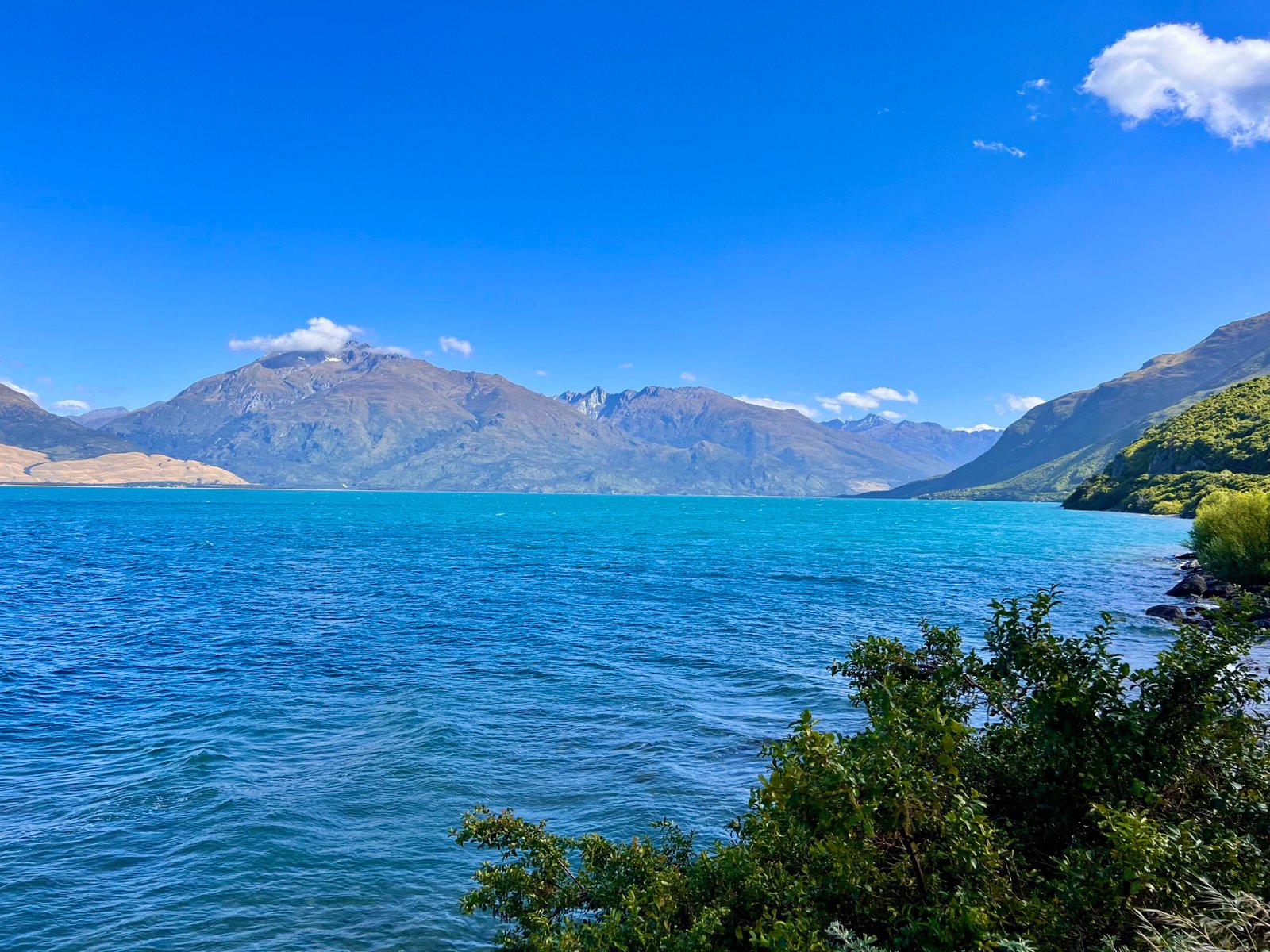
Getting around the South Island isn’t just about reaching your destination — it’s part of the experience. Every drive, ferry ride, and mountain crossing feels like you’re inside a postcard. Unlike the North Island, public transportation here is limited, so flexibility is key. Whether you rent a campervan, hop on a regional flight, or ride a scenic train, traveling around the South Island is all about freedom and discovery.
Most travelers start or end their trip at one of the island’s three major airports:
Christchurch International Airport (CHC) – The main gateway to the South Island. It handles most international arrivals and domestic connections. Christchurch is ideal for beginning a road trip north to Kaikoura or south to Queenstown.
Queenstown Airport (ZQN) – Perfect if you’re heading for adventure, skiing, or luxury lodges. The landing here is famous — you literally descend between snowcapped mountains.
Dunedin Airport (DUD) – A smaller airport serving the southeast coast, convenient for exploring Otago Peninsula or heading toward the Catlins.
💡 Sally’s Tip: If you’re planning a loop itinerary, fly into Christchurch and out of Queenstown (or vice versa). It saves you backtracking hundreds of kilometers.
Driving is hands-down the best way to see this island. Every route — from the coastal highways to the alpine passes — looks like a travel magazine spread.
Side of the road: Left-hand driving.
Speed limits: 100 km/h (62 mph) on highways, 50 km/h (31 mph) in towns.
Licenses: Your regular driver’s license is accepted for up to 12 months, but it must be in English (or accompanied by an international permit).
Fuel: Around NZ $2.80 – $3.20 per liter. Fill up in towns before remote stretches — gas stations can be 80 km apart.
💡 Sally’s Tip: “Scenic route” isn’t just a label here — it’s almost every road. Plan to drive fewer hours per day and stop often.
This is the #1 way people explore the South Island — total freedom with your bed on wheels.
Campervan companies like Jucy, Maui, and Britz rent everything from budget vans to mini-RVs.
Freedom camping is allowed in many areas, but only where signs permit. Apps like CamperMate and Rankers NZ show legal campsites, dump points, and Wi-Fi spots.
Holiday parks often have hot showers, kitchens, and laundry — worth the small fee.
💡 Sally’s Tip: Always check your van’s fuel and water before heading into Fiordland or the West Coast — services there are few and far between.
New Zealand’s train system is limited but stunning.
TranzAlpine Train: Runs between Christchurch and Greymouth — considered one of the world’s most scenic rail journeys. You’ll pass through the Southern Alps, Arthur’s Pass, and endless mountain views.
Coastal Pacific: Connects Christchurch and Picton, hugging the coastline — perfect if you’re connecting to the North Island ferry.
💡 Sally’s Tip: Book train tickets early, especially in summer. Seats with panoramic windows fill up quickly.
While the main ferry route (Picton–Wellington) connects to the North Island, you’ll still find plenty of water travel options on the South Island itself:
Milford Sound & Doubtful Sound: Take scenic cruises through fjords with waterfalls cascading right off the cliffs.
Stewart Island Ferry: For a side adventure to New Zealand’s southernmost island — just a one-hour ride from Bluff.
💡 Sally’s Tip: Pack motion-sickness tablets for the Cook Strait or Stewart Island ferry — those southern swells can surprise even seasoned sailors!
Public buses exist between major towns but are limited. Companies like InterCity and Atomic Travel connect Christchurch, Dunedin, Queenstown, and Nelson. Expect long rides but stunning views.
Shuttle services are reliable between airports, ski fields, and trailheads like Milford Track or Abel Tasman.
You can also join hop-on hop-off bus tours like Kiwi Experience if you prefer not to drive.
💡 Sally’s Tip: If you’re not renting a car, build buffer days into your schedule — buses in remote regions can run only a few times a week.
The South Island is cyclist heaven, with well-marked trails like the Alps 2 Ocean and Otago Central Rail Trail. You can rent bikes in most tourist towns or join multi-day guided tours.
Helmets are mandatory.
Traffic is respectful, but roads can be narrow — stick to designated trails when possible.
💡 Sally’s Tip: The Otago Rail Trail towns have amazing small cafés and B&Bs — the perfect way to mix exercise with espresso.
New Zealand’s TranzAlpine railway crosses 16 tunnels and 5 major viaducts in under five hours — and every minute feels like a nature documentary! 🚞🌄
If there’s one thing I love about the South Island, it’s that you can sleep almost anywhere with a view. From lakeside cabins that reflect the stars to cozy mountain lodges tucked beneath snowcapped peaks, accommodation here fits every mood and budget. Whether you’re camping under the Milky Way, waking up to the sound of waves in Kaikoura, or sipping wine on a Queenstown balcony, the South Island makes “home for the night” feel extraordinary.
Hotels here tend to focus on comfort and scenery rather than flashiness — the views do most of the showing off.
Queenstown: Known for boutique stays and luxury lodges like Eichardt’s Private Hotel or The Rees Hotel, both with panoramic lakefront views.
Christchurch: Modern city hotels and international chains, ideal for first or last nights before flying.
Wanaka & Te Anau: Great for couples and outdoor lovers — many lodges include kitchenettes and fireplaces.
Dunedin: Charming Victorian-style hotels in the city center or seaside B&Bs near St. Clair Beach.
💡 Sally’s Tip: In peak season (December–February), book at least two months ahead — Queenstown and Wanaka sell out fast, especially around Christmas and New Year.
Holiday parks are a Kiwi institution — a mix between camping and comfort. They offer powered sites for vans, basic cabins, communal kitchens, and spotless bathrooms.
Chains like TOP 10 Holiday Parks and Kiwi Holiday Parks have locations all over the island.
DOC (Department of Conservation) campsites range from remote, no-frills spots to scenic lakefront areas with minimal fees.
Freedom camping is allowed only in designated areas — look for the blue “self-contained” symbol.
💡 Sally’s Tip: Always check for sandflies on the West Coast — keep repellent handy before you set up camp!
Motels are the hidden gems of New Zealand — clean, family-run, and equipped with kitchenettes. They’re perfect for road-trippers or families needing flexibility.
Expect friendly owners who love to chat about local tips and weather forecasts.
Prices are usually NZ$130–200 per night.
Laundry and parking are almost always included.
💡 Sally’s Tip: Motels often give discounts for multi-night stays — just ask. Kiwis love a polite, friendly bargain request.
Rural stays are a highlight of the South Island. Imagine feeding sheep at sunrise or drinking local Pinot Noir while overlooking a valley.
Many farmstays offer home-cooked dinners and hands-on experiences (great for families).
Airbnb options range from rustic cottages to architectural dream homes with panoramic views of Lake Tekapo or the Remarkables.
💡 Sally’s Tip: If you want a real slice of local life, try a “bach” (pronounced batch) — a Kiwi holiday home, often quirky and full of character.
Budget travelers are spoiled here — hostels in New Zealand are safe, social, and clean.
YHA, Haka Lodge, and JUCY Snooze are popular chains with both dorms and private rooms.
Many include free Wi-Fi, communal kitchens, and tour-booking desks.
Queenstown, Nelson, and Wanaka are the most social; Te Anau and Franz Josef are quieter and scenic.
💡 Sally’s Tip: Book early if you’re traveling solo — the best rooms go first, especially near Milford Sound and Mount Cook.
If you want to splurge, the South Island delivers next-level serenity.
Hapuku Lodge & Tree Houses (Kaikoura): Sleep among treetops with ocean views and deer grazing below.
Blanket Bay (Lake Wakatipu): A world-class alpine lodge often ranked among the best in the Southern Hemisphere.
The Lindis (Ahuriri Valley): Stunning architecture blended into the landscape — pure tranquility.
💡 Sally’s Tip: Many luxury lodges include meals, guided activities, and spa access — it’s not just a stay, it’s an experience.
Apps: Use Booking.com, CamperMate, or Rankers NZ for local reviews and last-minute deals.
Travel passes: If road-tripping, buy a TOP 10 membership for discounts on sites and attractions.
Wi-Fi: Most places offer free Wi-Fi, but speeds can drop in remote areas — download maps before driving.
Off-season perks: Visit May–September for lower rates and cozy fireplaces everywhere.
💡 Sally’s Tip: Ask hosts about “hidden gems” nearby — New Zealanders love sharing secret picnic spots and lesser-known trails.
New Zealand has more sheep than people — around 25 million sheep to 5 million humans! So don’t be surprised if your bedroom view includes woolly neighbors grazing on the hillsides. 🐑🇳🇿
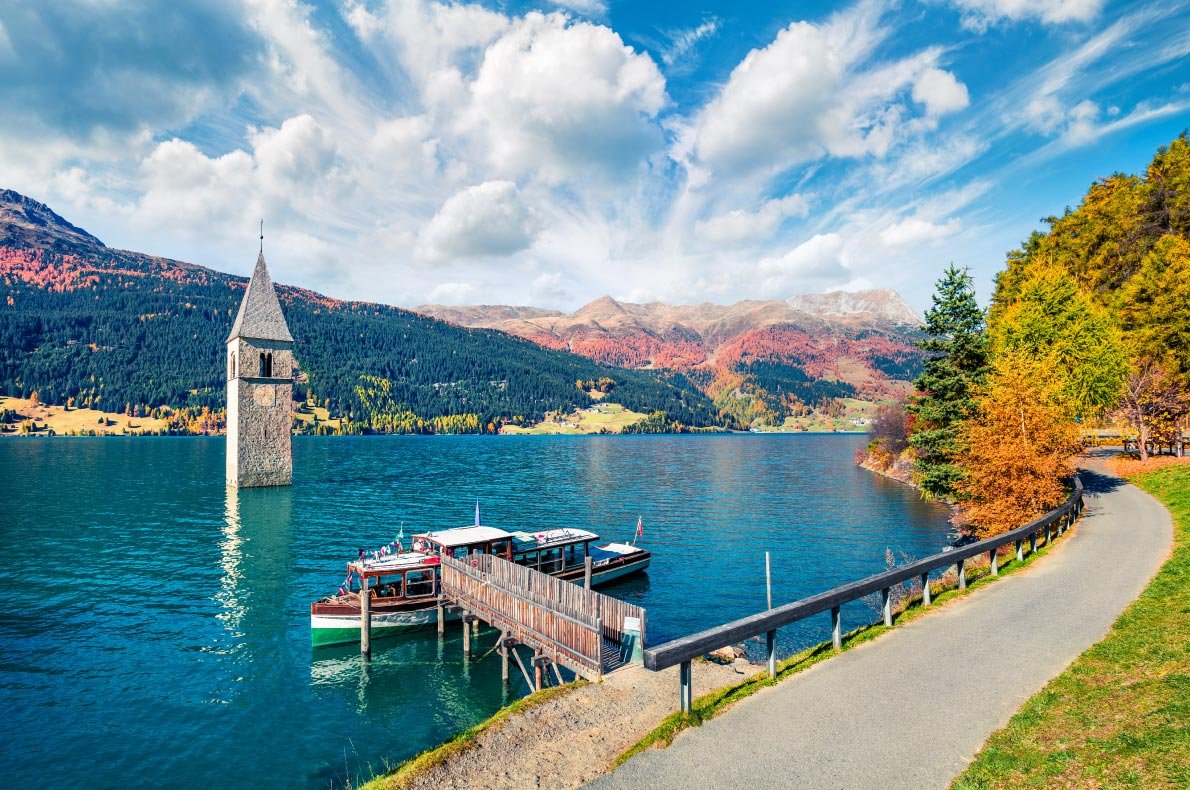
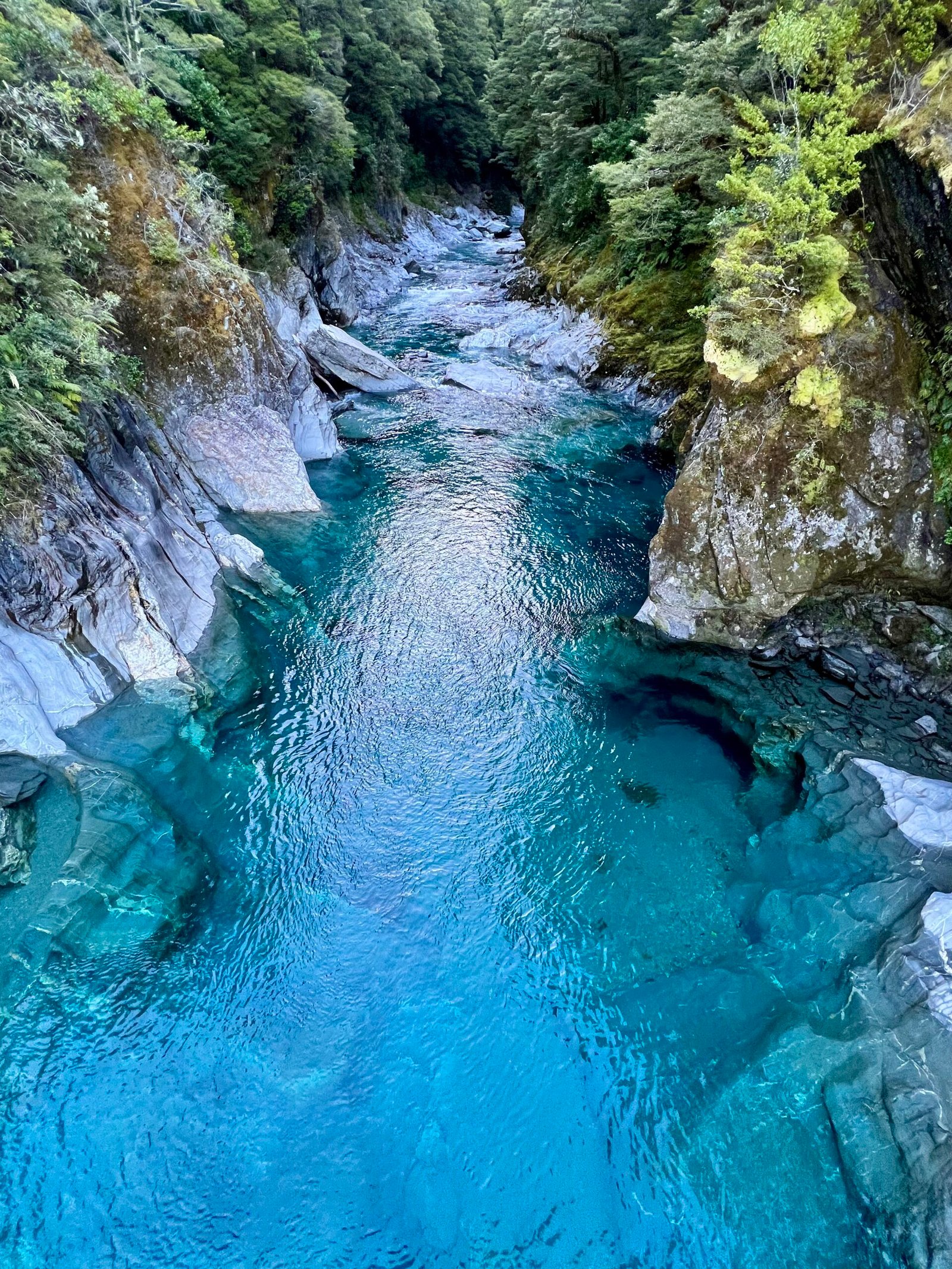
If you love food with a view, the South Island delivers both on the same plate. The cuisine here is shaped by the land and sea — fresh-caught seafood, farm-to-table produce, world-class wines, and creamy dairy that puts store-bought milk to shame. Every meal feels wholesome and honest, like it came straight from nature (because it usually did). Whether you’re biting into green-lipped mussels by the coast or sipping Pinot Noir in Central Otago, you taste New Zealand’s soul in every bite.
Lamb: New Zealand lamb is famously tender, often roasted with rosemary and kumara (sweet potato). You’ll find it on most fine-dining menus.
Green-lipped mussels: A South Island specialty, especially in Havelock, where they’re steamed in garlic butter and white wine.
Pavlova: A light meringue dessert topped with whipped cream and kiwi fruit — claimed by both New Zealand and Australia, but the Kiwis will tell you they did it first!
Whitebait fritters: Delicate, salty, and slightly crispy — a West Coast favorite.
Fergburger (Queenstown): The line is worth it. Juicy, oversized burgers that have become a Kiwi legend.
💡 Sally’s Tip: Try a local farmers’ market — like the Nelson Saturday Market or Otago Farmers’ Market — for the freshest bread, honey, and produce straight from the source.
Being surrounded by water means seafood is as fresh as it gets.
Kaikoura: Literally means “eat crayfish” in Māori — the town is famous for giant rock lobster.
Bluff: Try the legendary Bluff oysters, only in season (March–August).
Stewart Island: Known for its blue cod — perfectly pan-fried and buttery.
💡 Sunny’s Tip: If you see a beachside fish-and-chips stand, stop. Kiwi “fish n chips” are an institution — crispy, greasy perfection wrapped in paper, best eaten by the sea.
Kiwis love hearty, homemade meals and strong coffee.
Meat pies: You’ll find these everywhere — flaky pastry stuffed with steak, cheese, or mince and gravy.
Scones and lamingtons: Classic with your coffee.
Flat white: A Kiwi-style espresso drink (like a smoother cappuccino) that’s practically a national treasure.
💡 Sally’s Tip: New Zealand cafés take coffee seriously — it’s not Starbucks culture. Order a flat white or long black, and you’ll blend right in.
The South Island is home to some of the best vineyards in the world, with landscapes that look straight out of a movie set.
Marlborough: World-famous for crisp Sauvignon Blanc. Many vineyards offer tastings paired with local cheese.
Central Otago: Produces rich, velvety Pinot Noir thanks to its cool climate.
Waipara Valley (Canterbury): Smaller but growing, known for aromatic whites.
💡 Sunny’s Tip: Most cellar doors don’t charge much for tastings, and many let you picnic in the vineyards. Bring a light jacket — it can get breezy even on sunny days.
New Zealand’s craft beer scene is booming. Breweries often use pure alpine water and native botanicals.
Try Emerson’s Brewery (Dunedin), Monteith’s (Greymouth), or Altitude Brewing (Queenstown).
Gin lovers should check out Broken Heart Gin or Cardrona Distillery for small-batch, mountain-made spirits.
💡 Sally’s Tip: If you’re driving, skip alcohol — New Zealand’s blood-alcohol limit is very low (0.05%). Designate a sober driver and enjoy your tasting day safely.
The South Island’s lush pastures produce world-class butter, cheese, and ice cream.
Whittaker’s Chocolate: A national favorite — smooth, creamy, and addictive.
Lewis Road Creamery: Their chocolate milk has a cult following.
Kapiti Cheese & Ice Cream: Rich, creamy perfection.
💡 Sunny’s Tip: You’ll spot cows grazing everywhere — stop by roadside farm shops for local cheese or honey jars on an honesty box system (just drop cash in the tin!).
Dinner is usually served early — most restaurants close by 9 p.m.
Tipping isn’t expected (just like everywhere else in NZ), but a 5–10 % thank-you tip for exceptional service is appreciated.
Casual dress is fine almost everywhere — even upscale places lean relaxed.
💡 Sally’s Tip: Many small towns shut down early, so plan your dinner stops before 8 p.m., especially on road trips.
New Zealand’s first commercial vineyard was planted by a French missionary in 1851 — and today, the country exports over a billion bottles of wine each year! 🍷🇳🇿
The South Island is one of the safest, cleanest, and most traveler-friendly places you’ll ever visit — but its wild beauty comes with natural elements that demand respect. Between remote mountain roads, unpredictable weather, and adventurous activities, being prepared keeps your journey stress-free. The good news? New Zealand’s health system, emergency response, and community spirit are top-notch.
Public hospitals: Located in major cities such as Christchurch, Dunedin, and Invercargill. Smaller towns often have local medical centers.
Urgent care clinics: Commonly called “after-hours” or “24-hour medical centers.”
Pharmacies (Chemists): Stock both prescription and over-the-counter medication. Look for a green cross sign.
Ambulance service: Dial 111 for any emergency — police, fire, or medical.
💡 Sally’s Tip: Visitors aren’t covered by New Zealand’s public health system, so travel insurance is a must. Choose one that includes adventure coverage if you’re hiking, skiing, or doing water sports.
The South Island’s terrain is breathtaking but can turn dangerous quickly — especially in alpine or coastal regions.
Weather changes fast. Always check forecasts before hikes or drives.
Tell someone your plans. Log your route on AdventureSmart.nz for back-country trips.
Carry essentials: Extra food, warm clothes, headlamp, and a charged phone or power bank.
Avoid risky selfies — cliffs and waterfalls can be deceivingly slick.
💡 Sunny’s Tip: New Zealand’s rescue services are free for genuine emergencies — but don’t abuse them. Preparation is your best safety plan!
Drive on the left side and always wear seatbelts.
Many roads are single-lane bridges — slow down and yield to oncoming traffic.
No cellphone use while driving.
Watch for wildlife: sheep, deer, and possums can cross unexpectedly.
Fatigue is real — distances on maps look short but mountain curves make trips longer.
💡 Sally’s Tip: Plan for no night driving on rural routes. Fog, darkness, and winding roads are not worth the risk — plus, you’ll miss the views!
While rare, New Zealand is part of the Pacific “Ring of Fire,” so mild earthquakes can happen.
If you feel shaking: Drop, Cover, and Hold.
Move away from windows or heavy objects.
On the coast, head inland if you notice a sudden sea retreat (tsunami sign).
💡 Sunny’s Tip: Don’t panic if you see earthquake evacuation route signs — they’re part of the country’s well-organized safety plan.
No dangerous snakes or large predators — hiking is safe!
Sandflies are the only real nuisance, especially on the West Coast and Fiordland. Use strong insect repellent.
Sun exposure: UV rays are intense — sunscreen, hat, and sunglasses are non-negotiable.
Water: Tap water is safe everywhere unless marked otherwise.
💡 Sally’s Tip: If you forget repellent, locals swear by baby oil or coconut oil as a quick fix against sandflies.
Emergency (Police, Fire, Ambulance): 111
Non-emergency health advice: Call Healthline at 0800 611 116 (free 24/7 nurse support).
Coastguard Marine Distress: VHF Channel 16
Tourist Helpline: 0800 500 122
💡 Sally’s Tip: Save these numbers in your phone before arrival — cell service can drop in remote valleys.
Hydrate often — the mountain air and long drives can dry you out fast.
Eat local, fresh foods — the produce here keeps your energy high.
Sleep properly — the early sunsets and chilly evenings make it easy to rest well.
Respect wildlife and nature — “leave no trace” is more than a rule; it’s a lifestyle here.
💡 Sally’s Tip: The South Island’s serenity is part of its healing power — take time to breathe, slow down, and let the silence work its magic.
New Zealand’s emergency services often use helicopters to reach remote areas — so if you ever see a chopper above the mountains, it might be part of the country’s heroic search-and-rescue team saving hikers. 🚁🇳🇿
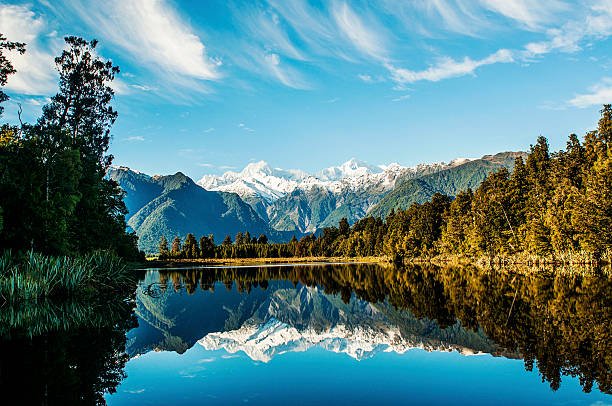
Shopping in the South Island is an experience that feels more like exploring — think cozy artisan boutiques, handmade crafts, local art, and farmers’ markets filled with authentic Kiwi charm. You won’t find massive malls on every corner (except in Christchurch), but what you will find are beautifully curated shops and genuine products that reflect the land and culture. Everything here has a story — from merino wool spun in the mountains to jade carved by Māori artists.
The South Island’s crafts and products are rooted in nature — wool, wood, stone, and flavor.
Top Souvenirs & Local Products:
Merino wool & possum-blend clothing: Lightweight, warm, and naturally odor-resistant. Perfect for travel or gifting. Look for brands like Icebreaker or Untouched World.
Pounamu (Greenstone/Jade): Sacred to the Māori people, symbolizing peace, protection, and strength. It’s traditionally gifted, not bought for oneself — so if you’re buying one, have someone gift it to you!
Sheepskin goods: Slippers, rugs, and jackets made from local wool.
Manuka honey: Known for its natural antibacterial properties — a sweet souvenir with health benefits.
Wine: Especially Pinot Noir from Central Otago and Sauvignon Blanc from Marlborough.
Handcrafted jewelry & wood carvings: Many artisans use native woods like rimu and kauri.
💡 Sally’s Tip: When buying jade or bone carvings, always buy from certified sellers — it supports local Māori artists and ensures authenticity.
🛍️ Queenstown & Arrowtown
High-end boutiques, designer merino wear, and chic adventure brands.
Arrowtown’s main street is a gold-rush-era gem filled with small artisan shops and cafés.
Don’t miss the Queenstown Arts & Crafts Market by the waterfront on Saturdays.
🏙️ Christchurch
The Riverside Market is a must — a vibrant indoor marketplace filled with gourmet food stalls, artisan gifts, and local wine tastings.
The Tannery — a stylish boutique arcade with New Zealand designers, bookstores, and eco-friendly fashion.
🌸 Nelson
Known for its artistic community — glassblowing, ceramics, and jewelry studios galore.
Visit Nelson Saturday Market for everything handmade — from organic skincare to woodwork.
🍷 Central Otago & Wanaka
Wineries double as shops — pick up bottles right from the vineyard.
Local galleries in Clyde and Cromwell showcase photography and mountain-inspired art.
🌊 West Coast (Hokitika & Greymouth)
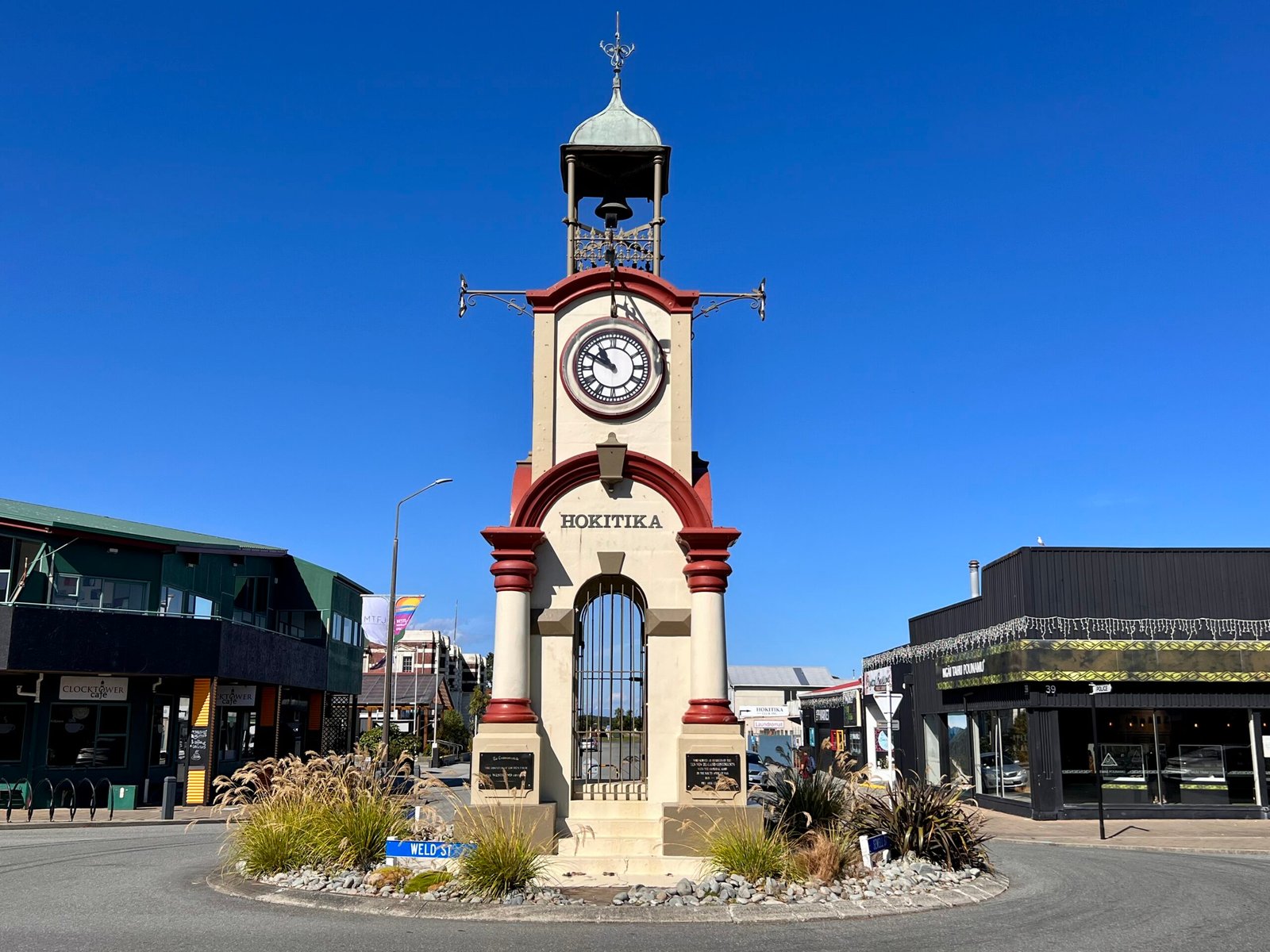
Hokitika is the jade capital of New Zealand — artisans still carve pounamu by hand here.
You’ll also find driftwood art and local pottery shops.
💡 Sunny’s Tip: Some of the best souvenirs aren’t things — they’re photos, maps, and small mementos from local farmers’ markets. Collect memories, not just objects.
Credit and debit cards are accepted almost everywhere (Visa and Mastercard especially).
Contactless “PayWave” is common — just tap to pay.
Cash is still handy in small markets and remote areas.
GST (Goods and Services Tax) is included in all prices — no surprises at checkout.
💡 Sally’s Tip: If you’re doing a big shop before flying home, ask about GST refunds — some stores participate in refund programs for international visitors.
Māori galleries sell traditional carvings, weaving, and bone jewelry — often with symbolic meanings (e.g., the koru spiral for new beginnings).
Local artists capture the island’s landscapes through watercolor, photography, and sculpture.
Buy small prints or postcards to frame at home — they make beautiful, lightweight keepsakes.
💡 Sally’s Tip: Many artists work from home studios — don’t be shy about stopping in if you see a “Studio Open” sign. New Zealanders are incredibly welcoming!
Nelson Market (Sat): Artisan honey, jams, and handmade candles.
Otago Farmers Market (Dunedin): Local produce, cheeses, and fresh-baked bread.
Queenstown Market (Sat): Jewelry, photography, and lake views.
Christchurch Farmers Market (Sat): Gourmet food trucks, organic veggies, and flowers.
💡 Sunny’s Tip: Grab snacks for your road trip — local cheeses, olives, and fruit make perfect “car-picnic” supplies for those long scenic drives.
New Zealanders are passionate about sustainability — and it shows in their products.
Look for eco-certifications on wool and honey.
Many brands use recycled materials or natural dyes.
Local markets often encourage zero-waste packaging — bring a reusable tote!
💡 Sally’s Tip: Skip mass-produced trinkets and buy something meaningful. Supporting small creators helps keep Kiwi craftsmanship alive.
New Zealand once had a gold rush in the 1860s — and you can still pan for gold in Arrowtown or Shantytown! Some visitors actually find tiny flakes to take home as shiny souvenirs. 🪙✨
If nature could design her own masterpiece, it would be the South Island. Every region looks like a movie scene — and sometimes it literally is (hello, Lord of the Rings fans!). From glaciers and fjords to turquoise lakes and golden beaches, this island blends wild landscapes, rich Māori heritage, and unforgettable experiences. The magic here isn’t just in the famous spots — it’s also in the quiet corners most tourists skip.
1. Milford Sound – Fiordland National Park
A natural wonder carved by glaciers. Waterfalls pour down 1,000-meter cliffs, and bottlenose dolphins play alongside the boats.
💡 Sally’s Tip: Take the early-morning or late-afternoon cruise — the light is softer and the crowds are gone. If you can, do the overnight one. It’s pure magic.
2. Aoraki / Mount Cook National Park
Home to New Zealand’s tallest mountain, glaciers, and alpine trails like the Hooker Valley Track.
💡 Sally’s Tip: Stay the night — the stargazing here (in the Aoraki Mackenzie Dark Sky Reserve) will leave you speechless.
3. Queenstown
The adventure capital of the world! Try bungee jumping, skydiving, or jet-boating — or just soak in the lake views with a local wine.
💡 Sally’s Tip: Ride the Skyline Gondola at sunset — it’s one of the most romantic views in the country.
4. Lake Tekapo
A turquoise lake framed by lavender lupins and the Church of the Good Shepherd — an Instagram icon for a reason.
💡 Sally’s Tip: Visit in November–January for blooming wildflowers and a pink-purple landscape.
5. Franz Josef & Fox Glaciers
Where else can you walk on a glacier and then relax in a rainforest? Guided heli-hikes offer the most surreal experience.
💡 Sally’s Tip: Weather changes fast — book flexible dates or a refundable tour.
6. Kaikōura
A coastal gem where snow-capped mountains meet the sea — perfect for whale-watching, dolphin swimming, and tasting the region’s famous crayfish.
💡 Sally’s Tip: The best whale-watching months are June–August. Bring warm layers for the ocean wind.
7. Abel Tasman National Park
Golden beaches, lush forest, and clear blue water — it’s the perfect mix of hiking and swimming.
💡 Sally’s Tip: Try a water-taxi-in, hike-out combo — it lets you explore remote beaches without the return trek.
8. Dunedin & Otago Peninsula
A fascinating blend of Scottish heritage, art, and wildlife. Visit the Royal Albatross Centre or spot yellow-eyed penguins.
💡 Sally’s Tip: The coastal drive at sunset is stunning — and you might spot seals lounging on the rocks.
9. Marlborough Sounds
A maze of islands and waterways at the top of the island — perfect for kayaking, sailing, or wine-tasting with a sea breeze.
💡 Sally’s Tip: Stay overnight in a remote eco-lodge — sunrise on the water is unreal.
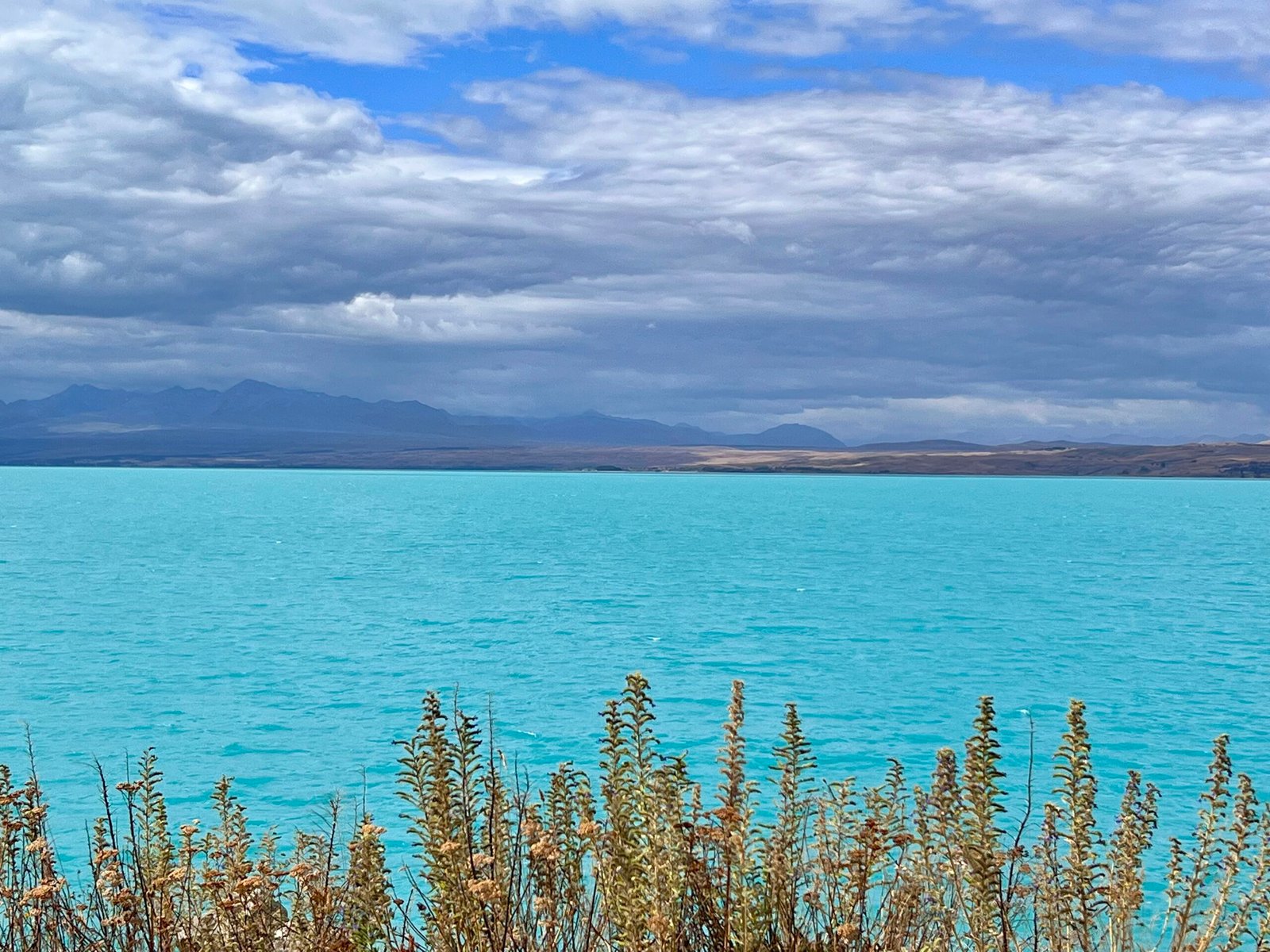
💎 Lake Pukaki: Often overshadowed by Tekapo, but even bluer — especially on sunny days when the glaciers reflect light.
💎 Moeraki Boulders: Perfectly round stones scattered along the beach near Oamaru — like something from another planet.
💎 Catlins Coast: Waterfalls, forests, and beaches with penguins — a peaceful, off-the-grid region.
💎 Punakaiki (Pancake Rocks): Limestone formations that spout water through blowholes during high tide.
💎 Arrowtown: A historic gold-mining village with tree-lined streets that explode with color in autumn.
💎 Akaroa: A little piece of France near Christchurch — known for its French cafés and rare Hector’s dolphins.
💎 Stewart Island: Technically south of the South Island, but worth mentioning — one of the best places in the world to see wild kiwis at night.
💡 Sally’s Tip: The South Island rewards curiosity — if you see a sign for a waterfall, lake, or scenic reserve, follow it. You’ll probably discover your own hidden gem.
Southern Scenic Route: Dunedin → Catlins → Invercargill → Te Anau — wild beaches and endless beauty.
West Coast Drive: Greymouth → Franz Josef → Haast → Wanaka — rugged, remote, and unforgettable.
Arthurs Pass: Christchurch → Greymouth — mountain passes, kea parrots, and waterfalls.
Queenstown → Glenorchy: One of the most scenic 45-minute drives you’ll ever take.
💡 Sunny’s Tip: Take your time — driving here isn’t about getting from A to B. It’s about pulling over every 10 minutes to say “wow.”
Glenorchy & Paradise: Lord of the Rings, Narnia, and The Hobbit.
Mount Sunday (Canterbury): Edoras from The Two Towers.
Fiordland: Featured in Mission Impossible – Fallout and Alien: Covenant.
💡 Sally’s Tip: Local guides love pointing out film spots — and they usually have behind-the-scenes stories!
New Zealand has no snakes and no large predators, which means you can hike anywhere safely. The only creatures watching you are birds — like the cheeky kea parrot that loves to unzip backpacks! 🦜🎒
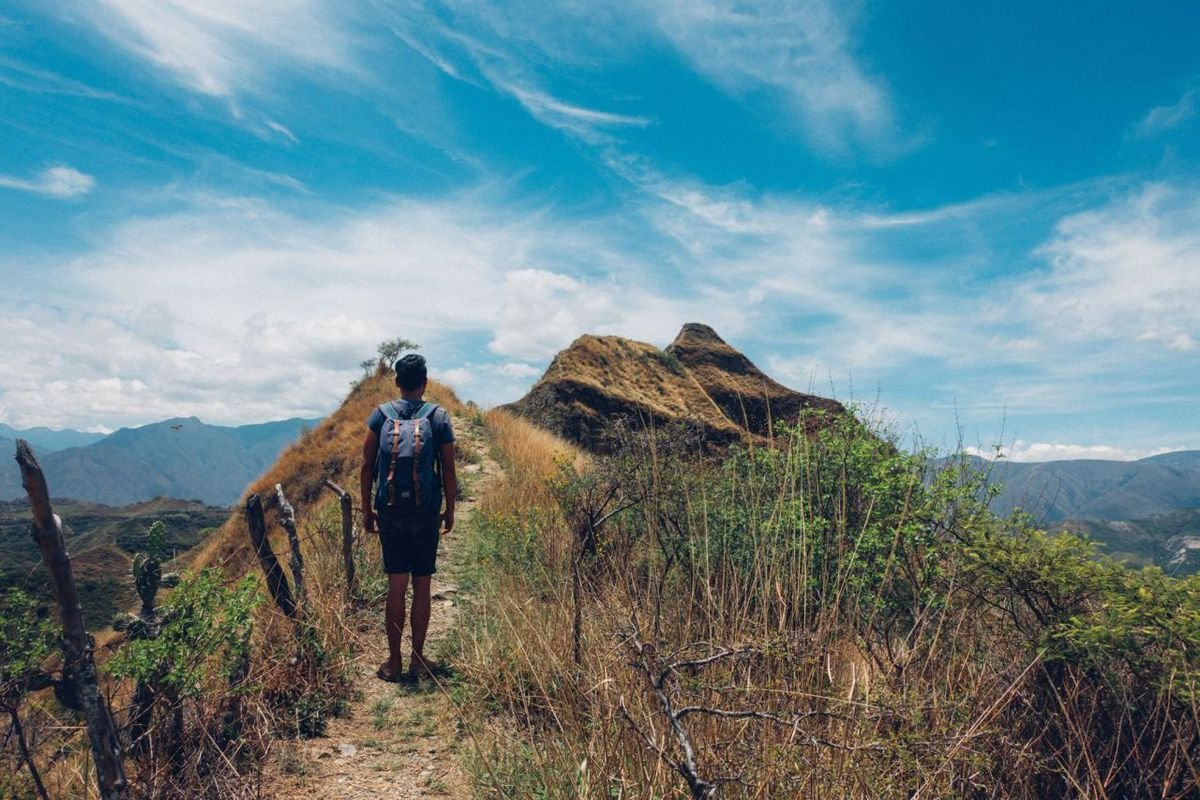
If there’s one word that captures the South Island’s spirit, it’s manaakitanga — a Māori word meaning hospitality, respect, and care for others. People here live by it. Locals are warm, curious, and quick with a smile, and conversations often begin with a friendly “How’s it going?” or “You all good?” Whether you’re chatting with a café owner, a farmer, or a fellow traveler on the road, expect genuine kindness and easygoing humor.
New Zealand’s culture is a beautiful fusion of Māori heritage and European (mostly British and Scottish) influence, shaped further by waves of Pacific and Asian communities. On the South Island, Māori identity remains strong — especially in Ngāi Tahu territory, the principal iwi (tribe) that traces ancestral ties to this land.
You’ll see Māori language (Te Reo) on signs and government buildings.
Ceremonies, performances, and carvings honor traditional beliefs about connection to land, water, and ancestry (whakapapa).
The haka, a powerful ceremonial dance, is still performed at major events and gatherings.
💡 Sally’s Tip: When visiting Māori cultural sites or marae (meeting grounds), follow local customs — remove your shoes, avoid eating or drinking on sacred areas, and listen respectfully during welcomes.
English is spoken everywhere, but you’ll often hear Te Reo Māori words woven into conversation:
Kia ora — hello / thank you / best wishes
Aroha — love, compassion
Whānau — family
Ka pai — good job or well done
Haere mai — welcome
Kiwis (New Zealanders) speak informally and love humor. Conversations are direct but polite, and small talk is common.
💬 Example: A shopkeeper might say, “Cheers, mate!” instead of “Thank you.”
💡 Sunny’s Tip: Don’t mistake Kiwi friendliness for overfamiliarity — it’s just how they are! Politeness and humility go a long way here.
Shoes off indoors: Many homes and even some lodges prefer it.
Tipping: Not expected — service staff are paid fairly. A 5–10 % tip is appreciated for exceptional service.
Queuing: New Zealanders love fairness — always wait your turn.
Personal space: People value it; friendly but not invasive.
Greetings: A smile or handshake is standard. In Māori culture, the hongi (nose-to-nose greeting) symbolizes sharing of life breath — only do it if invited.
💡 Sally’s Tip: Kiwis are modest; bragging or being pushy feels out of place. Relax, be kind, and you’ll fit right in.
Nature is sacred in New Zealand — it’s not just scenery, it’s identity. Rivers, mountains, and forests are often recognized legally as living entities with rights (Te Urewera Act 2014 being a prime example).
Never litter, feed wildlife, or stray off marked trails.
Follow the “Leave No Trace” principle — take everything you brought back with you.
Respect signs at cultural and spiritual sites, especially those marked tapu (sacred).
💡 Sunny’s Tip: Locals don’t say they’re in nature — they say they’re with it. It’s a partnership, not a playground.
Kiwis love dry humor, gentle teasing, and self-deprecation. If someone jokes about the weather or their rugby team, it’s all in good fun.
Avoid heavy political or religious debates unless you know someone well.
Sports, travel, food, and the outdoors are always safe and lively topics.
“Yeah, nah” — a uniquely Kiwi phrase — means no, even though it sounds like yes!
💡 Sally’s Tip: If you’re lost, ask a local — they’ll usually help and may even give you insider travel tips that Google never could.
Waitangi Day (Feb 6): National holiday marking the 1840 Treaty between Māori and the British Crown.
Matariki (June/July): Māori New Year, celebrated when the Pleiades stars reappear — full of food, music, and storytelling.
Arrowtown Autumn Festival: Small-town charm, parades, and golden leaves.
World of Wearable Art (Nelson): Creativity meets fashion in an unforgettable show.
💡 Sunny’s Tip: Festivals here often feel intimate — small crowds, friendly vibes, and great food stalls. Bring your camera and your curiosity.
New Zealand is proudly progressive and inclusive — the first country in the world to grant women the right to vote (1893). People respect diverse cultures, faiths, and identities. You’ll see rainbow flags, bilingual signage, and community-driven sustainability initiatives everywhere.
💡 Sally’s Tip: “Kiwi time” is real — life moves slower here. Don’t rush; just breathe in the peace.
New Zealanders call themselves “Kiwis” — not after the fruit, but after the kiwi bird, a flightless, nocturnal creature that’s a national symbol of pride and resilience. 🇳🇿