
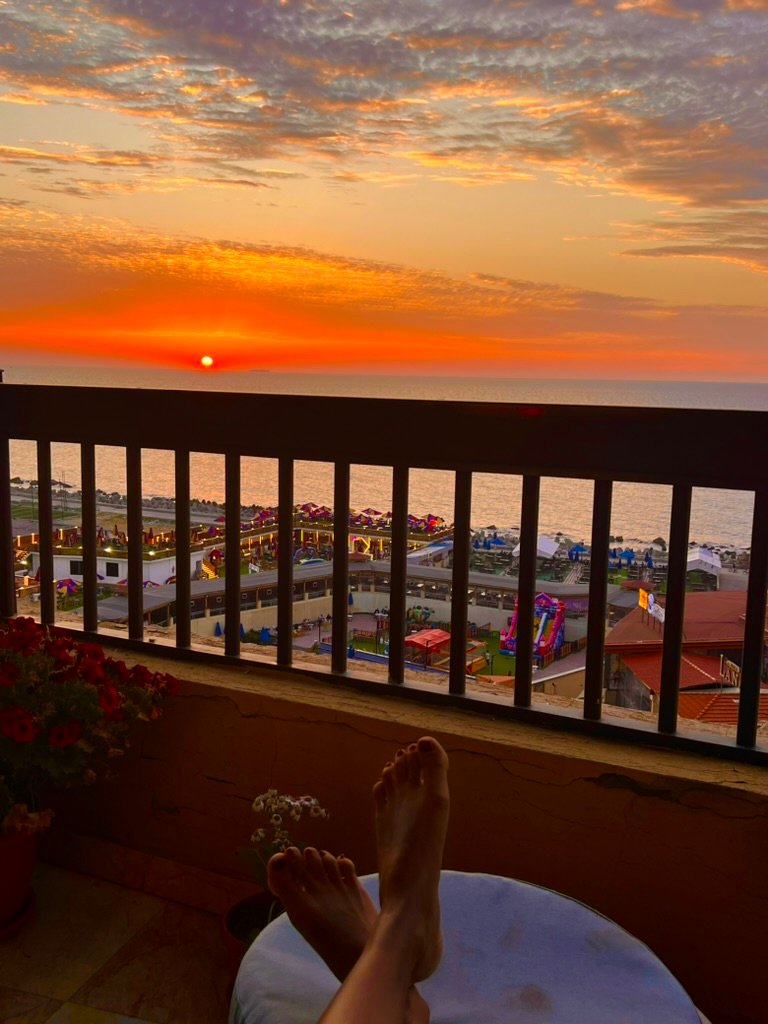
I have a special place in my heart for Egypt because I lived there for two years, right along the Mediterranean coast in Alexandria. Life there is completely different from anywhere I have lived before, for several reasons. For starters, compared to Cairo, Alexandria has a calmer, more laid-back vibe, with sea breezes, coastal cafés and restaurants, and a slower rhythm of daily life yet still at 2 am the streets look like it is 8pm.
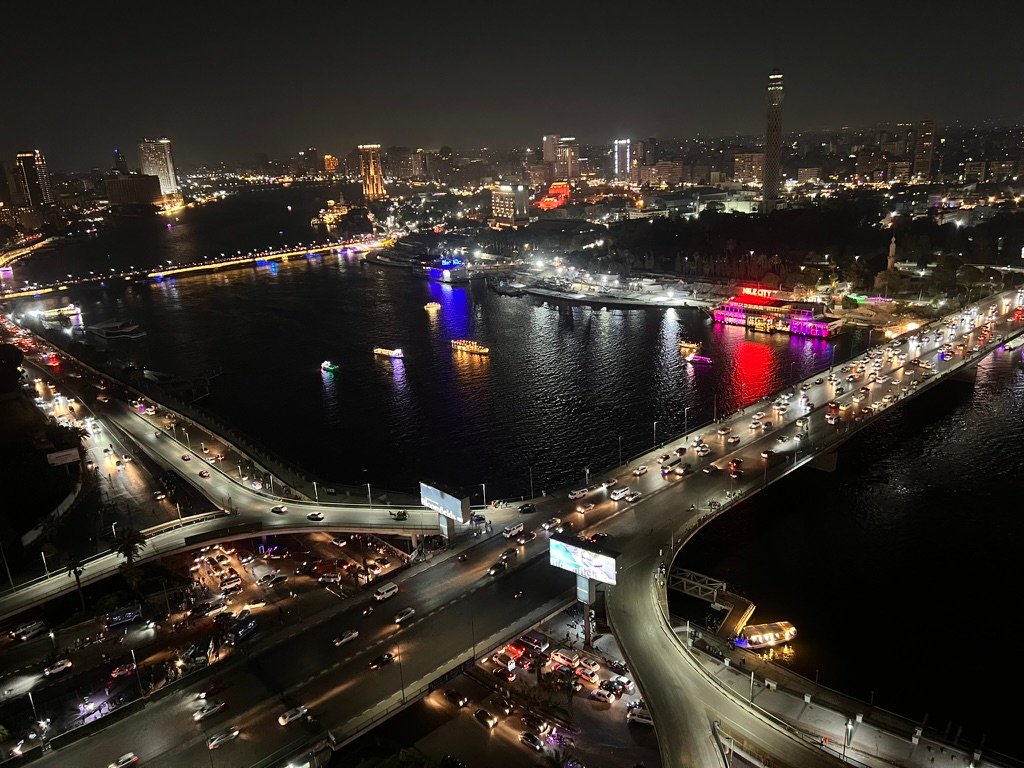
Cairo, is 3 hours away by car, it is energetic, busy, and always moving, with a metropolitan population of over 20 million people, it’s one of the largest cities in Africa and the Middle East, and you feel that intensity the moment you arrive. It’s loud, a bit chaotic for the average Westerner, fascinating, but yet full of life. Experiencing both cities gave me a balance I truly loved, peace by the sea in Alexandria and nonstop energy in Cairo.
Living in Egypt allowed me to travel throughout the country, and experience everyday Egyptian life beyond the tourist lens, and even learn enough Arabic to get around comfortably, it also helped that locals thought I was Egyptian due to my skin color. From navigating local markets to chatting with locals, shop owners, and my friend at the Vodafone store, those small daily interactions made the experience feel real and deeply personal.
Egypt is very different from Western Countries, but that’s exactly what makes traveling there so powerful. It pushes you outside your comfort zone, challenges your perspective, and invites you to fully immerse yourself in a new culture.
As I am sure you know Egypt’s story is one of the oldest and most fascinating on Earth. It is the land where civilization began and history still whispers through every stone.
The ancient Egyptians built one of the world’s earliest and most powerful civilizations along the Nile River, which gave life to their farms, cities, and culture. Around 3100 B.C., King Narmer (also known as Menes) united Upper Egypt (the south) and Lower Egypt (the north) into a single kingdom. The names may sound backward at first, but they make sense when you remember that the Nile flows from south to north. Upper Egypt refers to the higher southern lands, while Lower Egypt is the northern delta near the Mediterranean Sea.
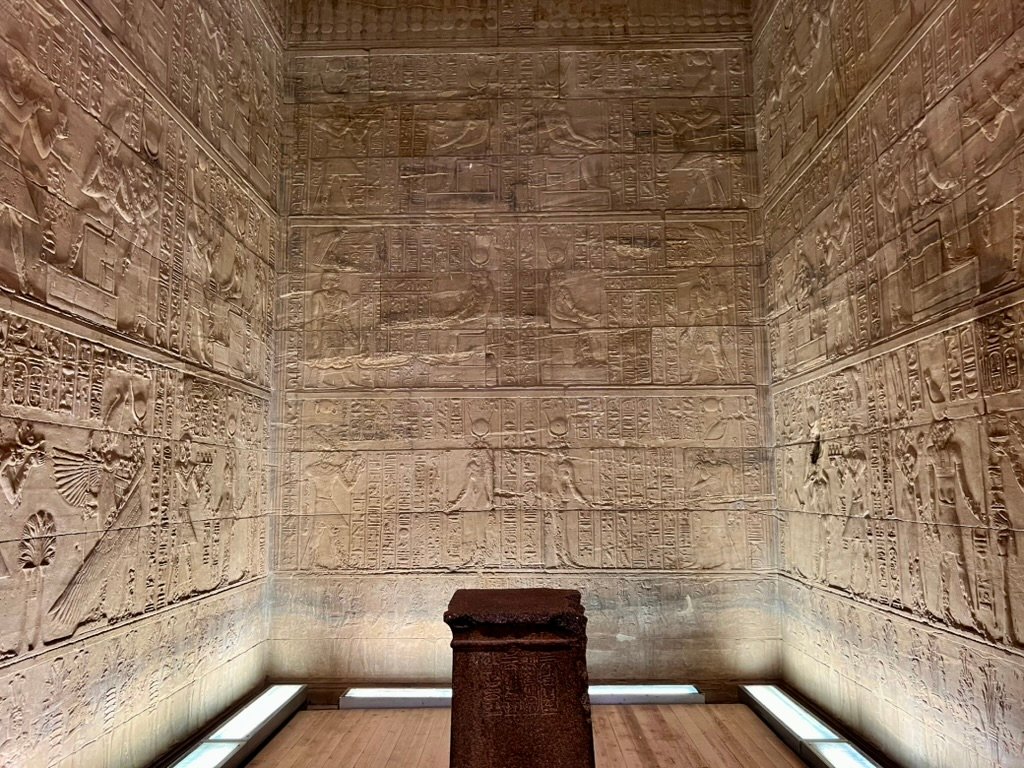
This unification marked the beginning of the Pharaonic era, a time of powerful dynasties that gave the world iconic symbols like the pyramids, hieroglyphs, monumental temples, and elaborate tombs, many of which still stand today, especially in places like Luxor. Over thousands of years, Egypt became a center of art, science, engineering, and spirituality, with its influence reaching far beyond Africa.
In 1799, a French soldier accidentally discovered the Rosetta Stone near the town of Rosetta (Rashid) in the Nile Delta. The stone contained the same text written in hieroglyphic, Demotic, and ancient Greek, and it became the key that finally unlocked the language of the pharaohs, allowing the world to understand ancient Egyptian writing for the first time. I had the opportunity to visit that site.
Egypt’s story didn’t stop there. New rulers and new eras followed—the Greeks under Alexander the Great, who founded Alexandria in 331 B.C., then the Romans, Byzantines, Arabs, and Ottomans. Each left their own cultural, architectural, and religious imprint, shaping Egypt into the layered and complex country it is today.
In 1952, Egypt gained full independence and became a republic under President Gamal Abdel Nasser, ushering in a modern era defined by national pride, political change, and modernization.
Today, Egypt stands as a living bridge between ancient legacy and modern life. Thousand-year-old temples rise beside bustling city cafés, and the Nile continues to flow as it always has—quietly connecting the past with the present.
YES, you need a visa, and there’s no way around it. The good news is that it’s fairly simple.
You have two options:
Apply for an e-Visa online before you travel (this can be a bit glitchy at times), or
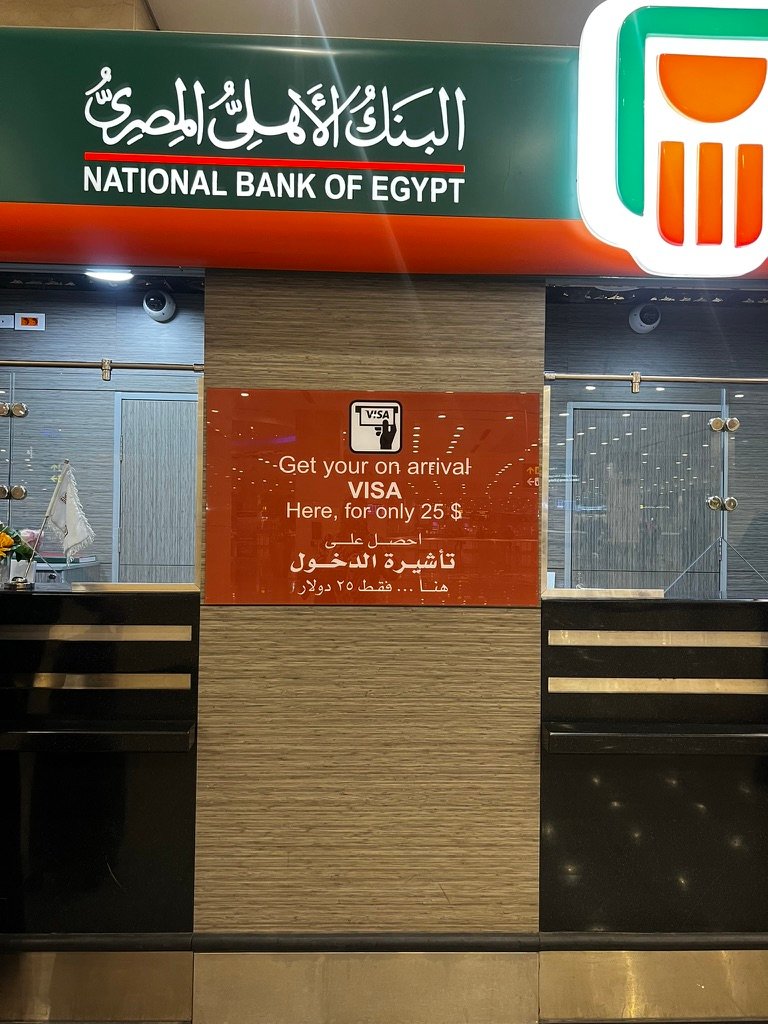
Get a visa on arrival at the airport, which is what many travelers do. I had a 5 year Visa so I did not have to go through this process but my visitors did.
A single-entry tourist visa costs $25 USD. Just be prepared to wait in line at the airport.
💡 Pro tip: If you’re getting a visa on arrival, bring crisp U.S. dollar bills (no tears, no markings). They are picky about this!
🌐 https://www.visa2egypt.gov.eg/
No vaccinations are required to enter Egypt. That said it is always smart to make sure your routine vaccinations are up to date before traveling especially if you plan to explore beyond major cities or enjoy a lot of local food which you probably will.
Important note. If you are arriving from a country where Yellow Fever is present immigration officials may ask to see proof of a Yellow Fever vaccination. This does not apply to travelers coming directly from the United States or most of Europe but it is something to be aware of if Egypt is not your first stop.
Highly recommended. From delayed flights to the occasional street-food mishap, things happen.
I personally don’t use travel insurance, however some countries and tours require it before travel. If you are that traveler that require a peace of mind when traveling and you are a precaution person I recommend at a minimum, make sure your policy covers:
Medical emergencies
Theft
Trip delays or cancellations
It’s one of those things you hope you never need, but you’ll be glad you have it if you do.
Getting connected in Egypt is easy and affordable.
You can buy a local SIM card at the airport or at any mobile store around the city. The main providers are:
Vodafone
Orange
Etisalat
I personally used Vodafone with no issues. You’ll need your passport to purchase and register the SIM.
Data is very affordable—I paid under $10 USD for 10GB.
Egypt uses Type C and Type F plugs, the same as most of Europe. The voltage is 220V.
If you’re coming from the U.S.:
You’ll need a plug adapter
And a voltage converter for high-powered devices like hair dryers or straighteners
Phones and laptops usually work fine with just an adapter.
Egypt operates on GMT+2. If you are traveling from the U.S., expect to lose a few hours.
Jet lag can hit a little differently here thanks to the dry climate, and yes, if you are a light sleeper, the call to prayer at sunrise. Set your watch, hydrate, pace yourself, and go with the flow.
The Egyptian Pound (EGP) is the local currency, and having cash is a must here, especially in local markets, small shops, taxis, and cafés. While major hotels, upscale restaurants, and larger stores usually accept credit cards, you will definitely want to carry small bills for everyday use.
ATMs are easy to find in major cities like Cairo, Luxor, and Aswan, but there are a few things to know:
ATMs can run out of cash, especially during holidays
Some machines may retain your card (it happens, don’t panic, but it’s stressful).
I personally recommend using CIB (Commercial International Bank) ATMs
I advise avoiding the National Bank of Egypt machines when possible
The exchange rate fluctuates, but it typically hovers around 48–50 EGP per $1 USD. Always check the current rate before your trip so you know what you’re really spending.
When paying by credit card, ALWAYS ask which exchange rate the hotel or merchant is using. Some places apply their own conversion rate, which can be much higher than the official one.
👉 Always choose to pay in Egyptian Pounds (EGP) rather than your home currency. This avoids hidden conversion fees and inflated rates.
Tipping, also known locally as baksheesh, is a normal, everyday part of Egyptian culture, and trust me, it is expected almost everywhere. Many people rely on tips as part of their income, so even small amounts are appreciated and go a long way.
🚽 Public Restrooms:
5 EGP (about $0.10)
🧳 Porters:
50–100 EGP per bag (about $1–$2)
🍽️ Restaurants:
10–15% if a service charge it is not already included, check your receipt!
🏛️ Tour Guides:
Around $10 USD per person, per day (roughly 500 EGP), depending on service
Carrying small bills makes tipping easy and stress-free.

Egypt’s weather ranges from warm to very hot, depending on the time of year and where you are headed.
Mild, comfortable, and one of the best times to visit.
Cairo: 15–22°C (59–72°F) during the day, cooler at night
Alexandria: Breezy with occasional rain
Luxor & Aswan: Warm, sunny, and perfect for sightseeing
This is peak season for a reason, pleasant weather without the intense heat.
Temperatures start climbing, ranging from 25–35°C (77–95°F).
You may experience khamsin winds, dry desert gusts that can bring heat and sand for a few days at a time. It is not constant, but when it hits, you will feel it.
Very hot—especially inland.
Luxor & Aswan: 40–45°C (104–113°F)
Cairo: Around 35–38°C (95–100°F)
Alexandria: Much more tolerable thanks to Mediterranean sea breezes, averaging around 30°C (86°F)
If you are visiting in summer, coastal cities and early mornings are your best friend.
Warm, sunny, and less crowded.
Expect daytime temperatures around 25–33°C (77–91°F) with cooler evenings. This is a great time for Nile cruises, desert tours, and outdoor sightseeing.
Hot and dry most of the year, but winter evenings can be surprisingly cool. If you are visiting between November and February, pack light layers.
Located farther south, these cities are the hottest in Egypt. Bring breathable fabrics, a wide-brim hat, and high-SPF sunscreen, the sun here does not play around.
Cooler and more humid thanks to the Mediterranean Sea. In winter or early spring, you may even want a light jacket or rain layer.
Light, breathable clothing is your best friend. Think linen, cotton, and loose-fitting styles. Comfort matters, but modesty is appreciated, especially outside resort areas.
Light pants or flowy skirts
T-shirts or loose blouses
Breathable fabrics
A light sweater or jacket
Desert nights and Nile breezes can get chilly
Hat
Sunglasses
Sunscreen
You do not need to wear a hijab, but dressing respectfully goes a long way.
Cover shoulders and knees when visiting mosques, small towns, or conservative areas
Men should avoid sleeveless shirts in public spaces
Resorts and beach areas are more relaxed, but modest dress is still appreciated off-property

Egypt truly has a stay for every type of traveler. From luxurious Nile-view resorts in Luxor and Aswan to cozy hostels and boutique hotels in downtown Cairo, comfort exists at every level and budget.
Beach lovers will feel right at home at Red Sea resorts in Hurghada and Marsa Alam, while desert lodges and oasis retreats offer peace, silence, and star-filled skies that feel completely out of this world. No matter where you stay, Egyptian hospitality is something special, you will be welcomed like royalty 👑
Where you stay really depends on your travel style and what you want to wake up to each morning.
If waking up to a view of the pyramids is high on your list, Giza is the place to be. There are many budget-friendly hotels and guesthouses within walking distance of the Giza Plateau, and several offer rooftop views of the Great Pyramid.
That said, Giza is a heavily touristed area. Expect:
More noise and activity
Persistent souvenir sellers
A lively, sometimes chaotic atmosphere
It’s exciting, but not exactly quiet.
If you prefer city energy, convenience, and nightlife, downtown Cairo or along the Nile is a great choice. This area is home to major international hotel brands, including:
Marriott
Fairmont
Hilton
Kempinski
Conrad
Sofitel
You’ll also be close to restaurants, shopping, museums, and nightlife.
Just keep in mind: Cairo and Giza sit on opposite sides of the Nile, so plan for transit time—usually 30–60 minutes, depending on traffic.
Aswan: Riverside resorts with timeless Nile views and calm island vibes
Luxor: Boutique hotels near ancient temples and hot-air balloon launch sites
Hurghada & Marsa Alam: Red Sea resorts ideal for divers, snorkelers, and sunseekers
Siwa Oasis: Eco-lodges built from salt and mudbrick, surrounded by silence and a billion stars
Each region offers a completely different experience, which is part of what makes traveling Egypt so rewarding.
“Book early for winter stays—it’s Egypt’s high season and hands-down the best weather of the year!”
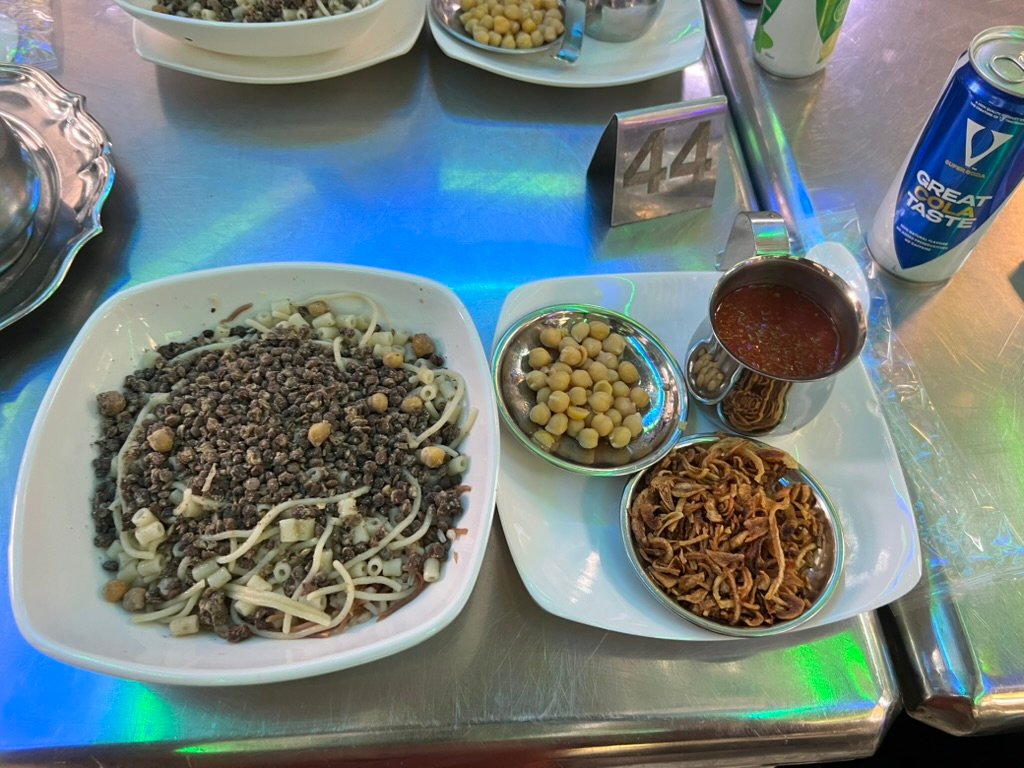
Egyptian cuisine is simple, flavorful, and full of heart. Meals here are meant to be shared, always served with warmth, laughter, and a healthy dose of local pride. Whether you’re grabbing a quick bite at a Cairo street café or dining at a Red Sea resort, every meal tells a story rooted in tradition, family, and community.
Egypt’s national dish—and an absolute must. This hearty comfort food combines rice, lentils, pasta, and crispy onions, all topped with a tangy tomato sauce. One of the most famous places to try it is Abu Tarek in downtown Cairo, a spot that’s even been featured in popular YouTube food vlogs.
A green, garlicky soup made from jute leaves and usually served with rice or bread, sometimes alongside chicken or rabbit. This is one of those love-it-or-hate-it dishes—but you have to try it at least once to understand why Egyptians adore it.
Egyptian falafel is made with fava beans instead of chickpeas, giving it a lighter texture and brighter flavor. Crispy on the outside, soft on the inside, and commonly eaten for breakfast.
A slow-cooked fava bean dish seasoned with olive oil, garlic, and lemon. It’s one of Egypt’s most popular street breakfasts and a daily staple for many locals.
Juicy, well-seasoned meats grilled to perfection and served with tahini, salads, and fresh flatbread. Simple, satisfying, and everywhere.
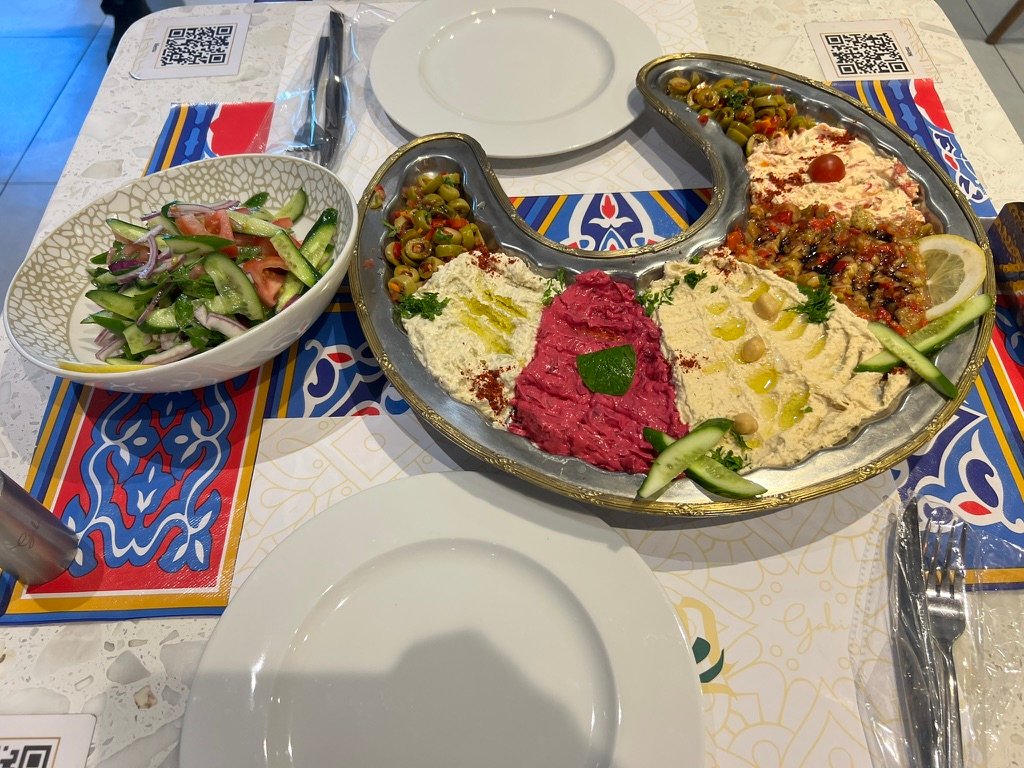
You’ll find many Lebanese restaurants throughout Cairo and Alexandria serving familiar favorites like hummus, tabbouleh, and shawarma—often with an Egyptian twist that makes them extra flavorful.
A moist semolina cake soaked in syrup—soft, sweet, and dangerously easy to eat more than one piece.
Thin pastry noodles filled with cheese or cream and drenched in orange-blossom syrup. Crunchy on the outside, melty on the inside, and wildly addictive.
Deep red, tangy, and served hot or cold. Locals swear it lowers blood pressure and refreshes the soul.
Sweet, soothing, and sold everywhere—from riverside cafés to tiny street stalls.
Don’t miss fresh pomegranate, mango, or sugarcane juice, especially from busy street vendors where it’s made on the spot.
Many cafés and restaurants offer flavored shisha. It’s part of the social scene—slow, relaxed, and meant to be enjoyed over conversation.
Egypt’s food scene is incredible, but a little caution goes a long way:
Stick to bottled water only—tap water can upset foreign stomachs
Avoid ice, as it’s often made from tap water
Eat at busy local spots where food is cooked fresh
If you do get an upset stomach, pharmacies sell effective local medications without a prescription
(Check your Safety section for what to ask for.)
Stay hydrated—Egypt’s sun is no joke ☀️ Always carry bottled water, hand sanitizer, and a small pack of napkins or tissues. Public restrooms don’t always have toilet paper or soap, so being prepared makes life easier.
I also like to keep a small wash rag or travel towel in my bag. It’s perfect for drying your hands, wiping away desert dust, or freshening up after a long day of exploring.
Egypt is generally safe for travelers, especially in tourist-friendly areas like Cairo, Luxor, Aswan, Alexandria, and the Red Sea resorts. Most people are welcoming, helpful, and very accustomed to tourists.
That said, use common sense:
Keep your bag close in crowded markets
Stay aware of your surroundings
Be cautious with overly pushy street vendors
No one is likely to quietly pickpocket you. If someone’s going to try to take your money, it’s usually right in front of you—through overcharging or a so-called “special tourist price” 😉
Smile, negotiate calmly, and walk away if needed.
(For phones using an Egyptian SIM card)
Save these as soon as you arrive:
Police: ☎️ 122
Ambulance: 🚑 123
Fire Department: 🔥 180
Tourist Police: 🏛️ 126
(Lost passports, scams, harassment)
Traffic Accidents: 🚗 128
💡 Sunny’s Tip: “Save these numbers offline—Wi-Fi won’t help if you can’t connect.”
Egypt has both public and private hospitals. Private hospitals are generally cleaner, faster, and more tourist-friendly, with English-speaking staff.
If you have travel insurance, most private hospitals will help with claims or allow reimbursement
Without insurance, expect:
$50–150 USD for a doctor visit
More for tests or overnight stays
Payment is usually required before treatment
As-Salam International Hospital (Cairo) – Modern, English-speaking, accepts international insurance
Cleopatra Hospital (Cairo) – One of the top private hospitals, very well equipped
Nile Badrawi Hospital (Cairo) – Known for strong emergency care
Alexandria Main University Hospital – Large teaching hospital, good for emergencies
Hurghada & Sharm El Sheikh International Hospitals – Cater specifically to tourists
💬 Helpful Tip: If you’re unsure where to go, ask your hotel or guide—they’ll know the nearest English-speaking clinic.
Pharmacies are everywhere in Egypt, and most medications are available without a prescription, including:
Antibiotics
Motion-sickness meds
Stomach remedies
Cold and allergy medicine
If you experience “Pharaoh’s Revenge” (traveler’s diarrhea), pharmacists know exactly what works—and it usually clears up quickly.
Stick to tourist areas—they’re well patrolled
Avoid political gatherings or protests
Cross streets carefully—traffic lights are often just suggestions 🚦
Use Uber or Careem for fair pricing and ease
Wear sunscreen and hydrate—heat exhaustion sneaks up fast
Carry copies of your passport and visa page; keep originals locked in your hotel safe
💬 Sunny’s Tip: “Egypt runs on friendliness—a smile goes a long way. Respect local customs, trust your instincts, and you’ll be just fine.”
(Sunny-approved for Egypt adventures!)
🧴 Hand sanitizer – Markets, temples, rest stops
🧻 Tissues or napkins – Many restrooms don’t provide toilet paper
🧼 Small wash rag or travel towel – Dust, sweat, and quick cleanups
🧦 Extra socks – Shoes often come off in mosques and sacred sites
😷 Face mask – Helpful for dusty days or crowded areas
🚰 Bottled water – Hydration is essential
🧴 Mini soap or wet wipes – Some bathrooms lack soap
🕶️ Sunglasses & sunscreen – The UV index means business
💊 Basic meds – Motion sickness, stomach relief, allergies
📄 Passport & visa copies – Originals stay locked away
📱 Local SIM or eSIM – Maps, translation, emergencies
💵 Small EGP bills – Tips and small purchases go smoothly
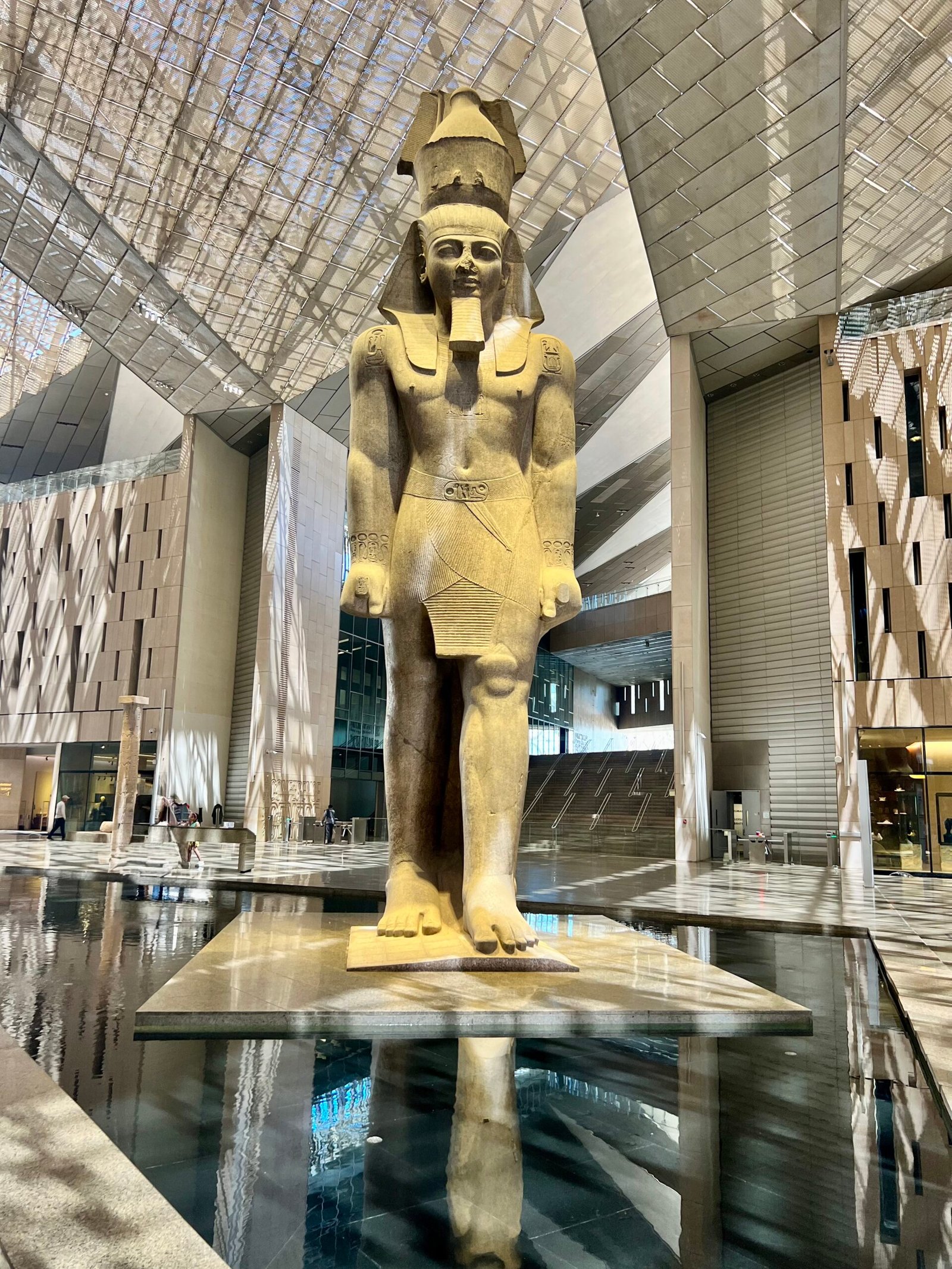
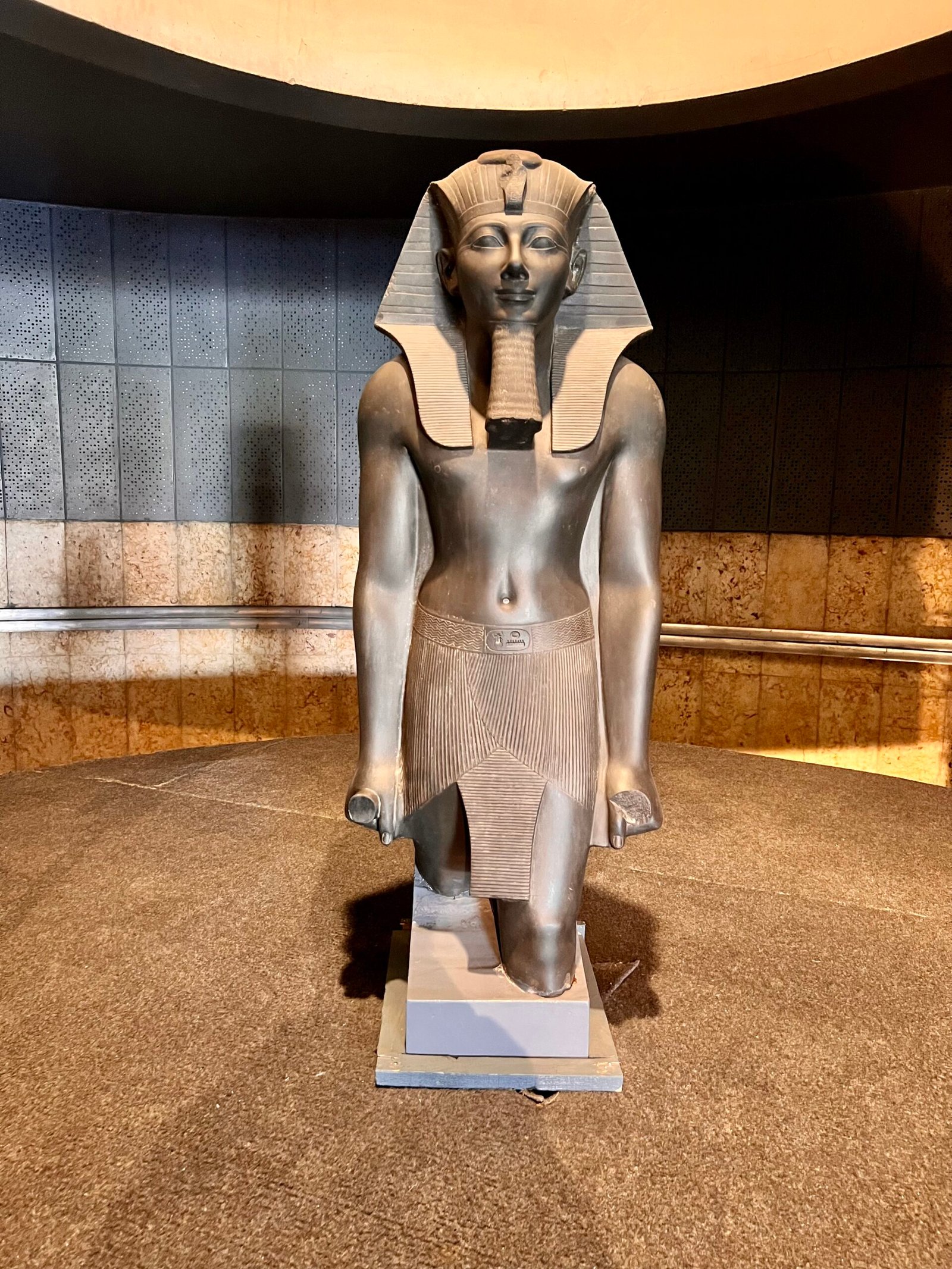
Egypt is a paradise for treasure hunters. Wander through Cairo’s Khan El Khalili Bazaar, where the air is filled with the scent of spices and the glow of brass lanterns. You’ll find handwoven scarves, papyrus art, perfume oils, silver jewelry, and alabaster statues—each piece carrying a story of craftsmanship passed down through generations.
Shopping in Egypt isn’t just about buying things; it’s about the experience. Take your time, ask questions, and enjoy the moment.
If papyrus art is on your list, make sure you’re buying the real thing. Ask your licensed guide to take you to a reputable papyrus workshop. There are many imitation vendors, but genuine papyrus has a distinct feel—it’s smooth yet sturdy, never waxy or brittle.
At a trusted workshop, you’ll usually:
Watch a short demonstration of how papyrus is made
Learn how to spot real vs. fake
Sip mint tea while browsing
Your guide will typically bring you to a vetted, government-certified shop—worth it for peace of mind and quality.
Papyrus Art – Cairo & Giza
Buy only from certified makers with government stamps.
Perfume Oils & Spices – Cairo & Luxor
Look for pure jasmine, sandalwood, and lotus oils—local favorites.
Alabaster Crafts – Luxor & Aswan
Hand-carved vases and statues that glow beautifully when lit from within.
Silver Jewelry – Aswan
Especially Nubian-style pieces featuring hieroglyphs or scarab designs.
Carpets & Rugs – Memphis
Visit the carpet schools, where you can watch traditional weaving techniques passed down through generations.
In Egypt, bargaining isn’t rude—it’s tradition. It’s expected and often part of the fun.
Here’s how to do it:
Start by offering about half the asking price
Negotiate calmly and respectfully
Smile, joke a little, and enjoy the conversation
Egyptians appreciate humor and kindness. The interaction is just as important as the sale.
💡 Sunny’s Tip:
“If you compare prices to what you’d pay back home, you’ll miss the point. Everything here is locally made, so prices should be much lower than in the U.S. If it doesn’t feel right, smile and walk away with confidence.”
Don’t be surprised if shopping feels more like being a guest than a customer. Shopkeepers may offer tea, coffee, or hibiscus juice, invite you to sit, and walk you through their collection piece by piece.
This isn’t pressure—it’s Egyptian hospitality, refined over generations. Enjoy the experience, stay polite, and remember: you are always free to say no.
💬 Sunny’s Tip:
“Smile, sip your tea, and shop smart—the real treasure is in the stories you’ll bring home.” 🏺💫
The Great Pyramids and the Sphinx may be Egypt’s most famous icons, but they’re only the beginning. From sunrise over the Sinai Mountains to turquoise salt lakes in Siwa, Egypt is overflowing with unforgettable places—each carrying stories thousands of years old.
For most travelers, the Egyptian adventure begins here.
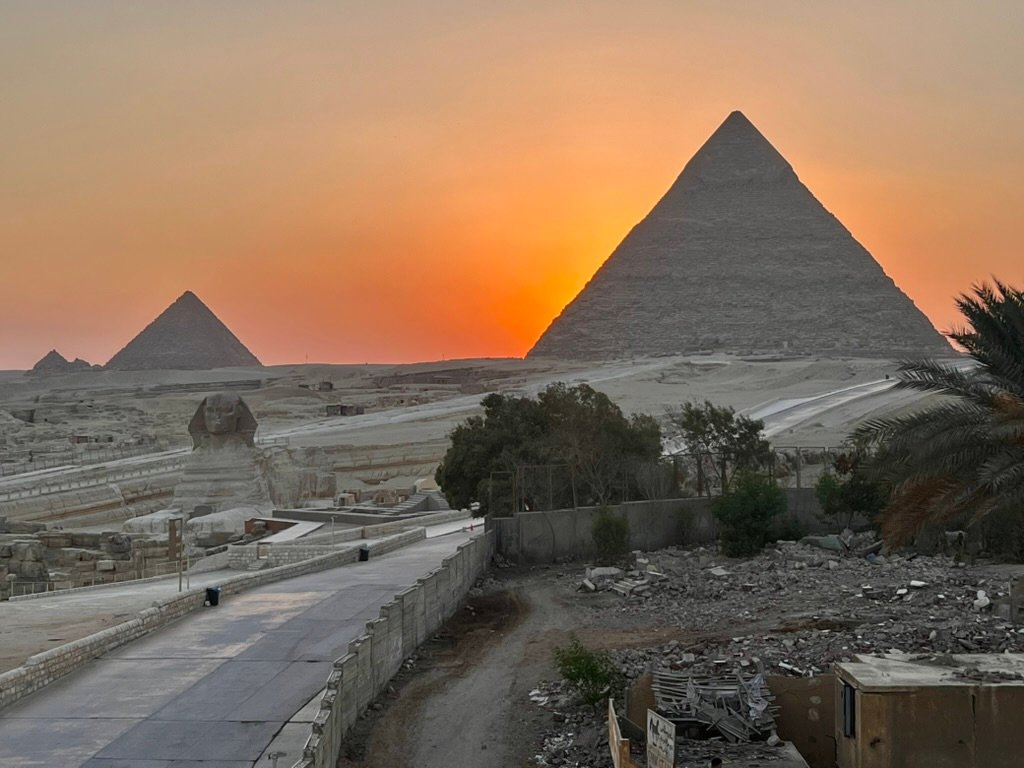
The Great Pyramids of Giza
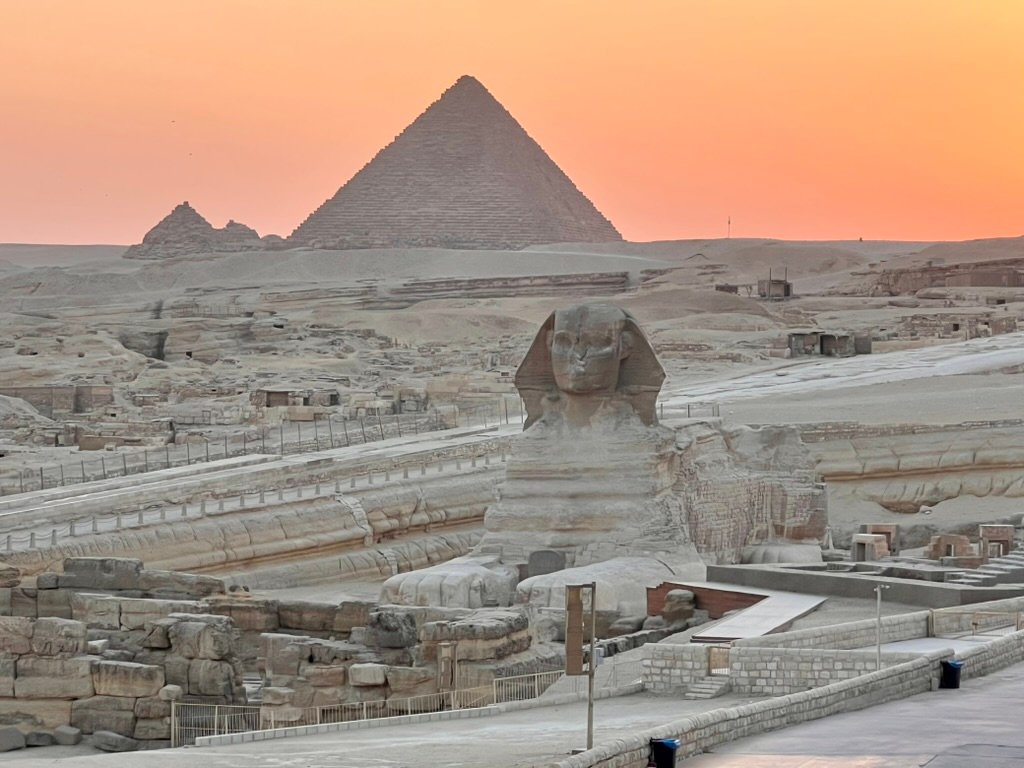
The last standing Wonder of the Ancient World. Seeing them up close is breathtaking—especially at sunset or during the evening sound-and-light show.
The Great Sphinx
The silent guardian of the pyramids, carved from a single block of limestone and wrapped in mystery.
The Grand Egyptian Museum (GEM)
Now fully open, this state-of-the-art museum displays over 100,000 artifacts, including Tutankhamun’s treasures, presented as they were always meant to be seen.
The Cave Church (Saint Simon Monastery)
Hidden in the Mokattam Hills, this remarkable church is carved directly into the rock and adorned with massive biblical carvings.
The City of the Dead
A hauntingly beautiful necropolis where centuries of history coexist with modern daily life.
The Mosque of Muhammad Ali
Cairo’s most iconic mosque, located inside the Citadel, offering sweeping panoramic views of the city.
Hurghada & Sharm El Sheikh
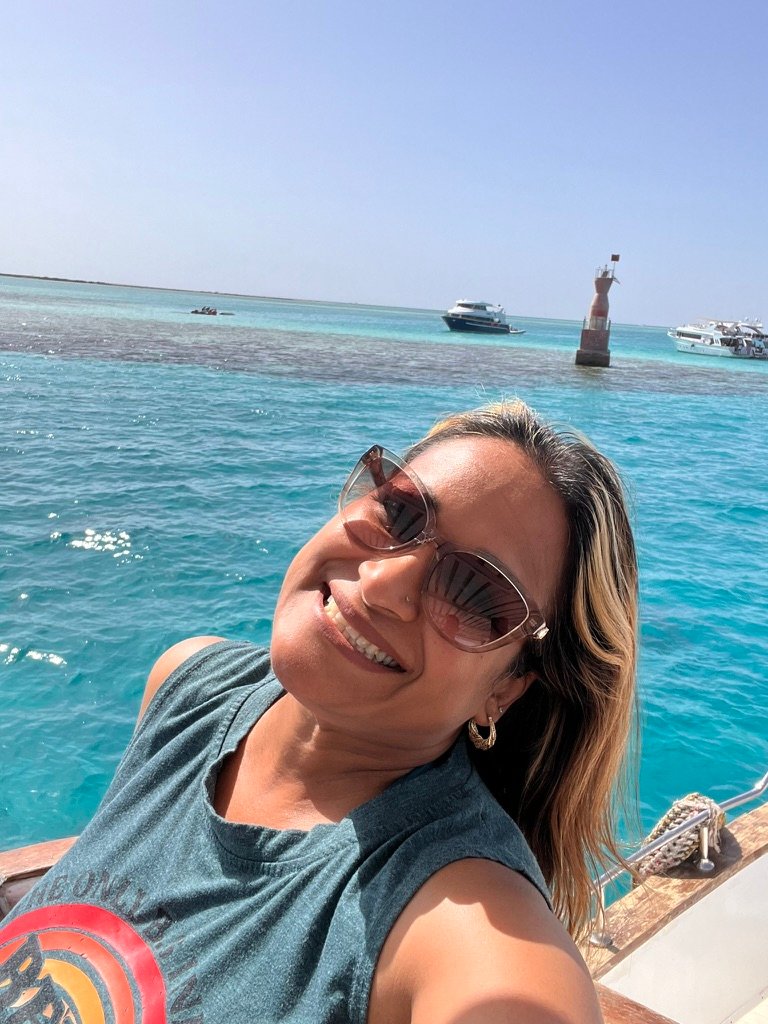
Two of Egypt’s premier resort towns, famous for crystal-clear waters and world-class diving. Swim among vibrant coral reefs, sea turtles, and even dolphins.
Marsa Alam
A quieter, less crowded alternative with untouched beaches and pristine reefs—perfect for divers seeking serenity.
Here’s something that surprises many travelers: Upper Egypt is actually in the south, while Lower Egypt is in the north. This is because the Nile River flows from south to north, and ancient Egyptians defined their land by the river—not by modern maps.
When you visit Luxor and Aswan, you’re traveling through the heart of ancient Upper Egypt.
Luxor
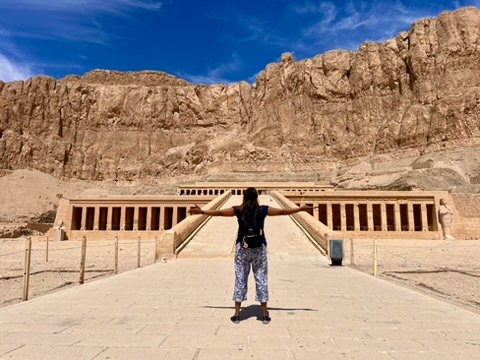
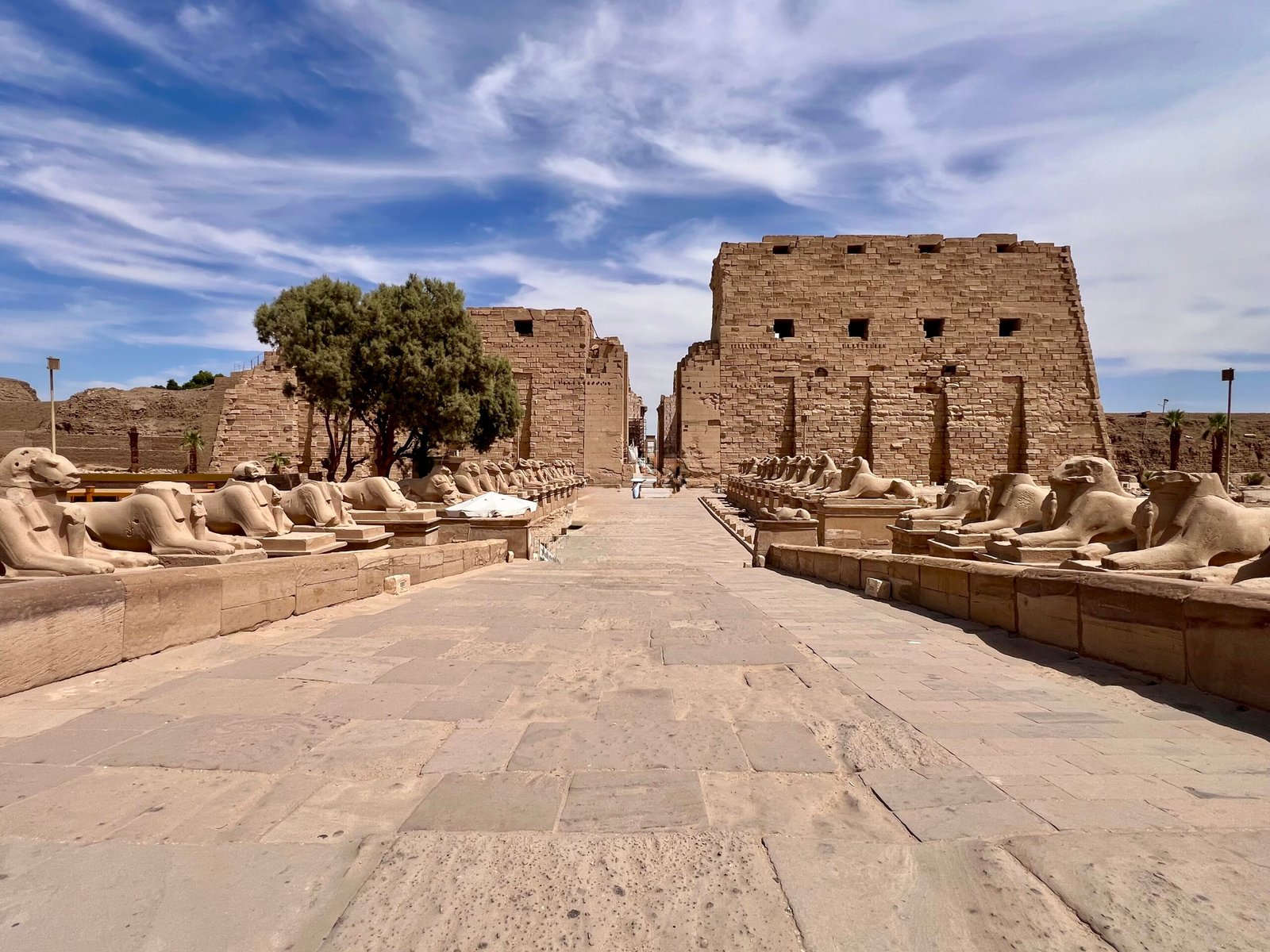
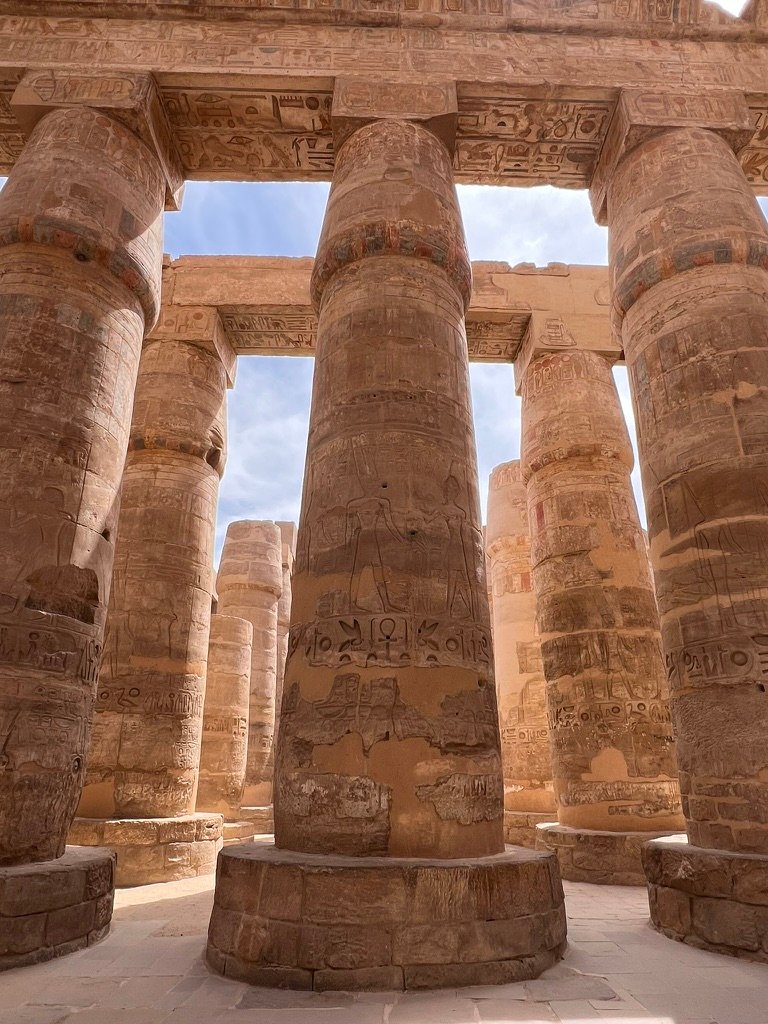
Explore the Valley of the Kings, where pharaohs rest in vividly painted tombs, and marvel at Karnak Temple and Luxor Temple, which glow beautifully at night.
Aswan
A calmer southern city known for felucca rides on the Nile, Nubian culture, and laid-back island life.
Abu Simbel
An absolute must-see. These colossal temples built by Ramses II were relocated stone by stone to save them from flooding—a stunning feat of both ancient and modern engineering.
The White Desert
Surreal chalk formations shaped by the wind into otherworldly sculptures—especially magical under starlit skies.
Bahariya Oasis
A gateway to the Western Desert, offering jeep safaris, palm groves, and natural hot springs.
Fayoum Oasis
Just a few hours from Cairo, Fayoum is one of Egypt’s oldest inhabited regions. Highlights include Wadi El Rayan Waterfalls, Lake Qarun, and Wadi Al-Hitan (Valley of the Whales)—a UNESCO World Heritage Site.
Siwa Oasis
Remote, peaceful, and magical. Float effortlessly in healing salt lakes and visit the Oracle Temple and Mountain of the Dead.
Egypt’s Mediterranean gem—where history meets sea breeze.
Catacombs of Kom El Shoqafa
An underground blend of Greek, Roman, and Egyptian art unlike anywhere else.
Citadel of Qaitbay
Built on the site of the ancient Lighthouse of Alexandria, once one of the Seven Wonders of the Ancient World.
Bibliotheca Alexandrina
A striking modern library honoring the legacy of the ancient Library of Alexandria.
Wadi El Rayan Waterfalls (Fayoum): Egypt’s only natural waterfalls, surrounded by desert dunes
Dahab: A laid-back Red Sea town beloved by divers and backpackers
El Minya: An underrated destination filled with ancient tombs and temples
💬 Sunny’s Tip:
“Egypt’s magic isn’t just in the monuments—it’s in the moments you didn’t plan. Wander a local market, share tea with a stranger, and watch life unfold along the Nile.” 🌄
🏺 Culture, Customs & Communication
Egyptian culture is rooted in hospitality, family, faith, and human connection. Life here moves on relationships, not schedules, and conversations matter just as much as destinations. From sharing tea with a stranger to being welcomed like family into someone’s home, Egypt does not believe in rushing people, it believes in knowing them.
Living in Egypt taught me quickly that warmth comes before rules, time is flexible, and respect is shown through presence, patience, and kindness. If you approach Egypt with an open heart, it will meet you with one.
At the core of Egyptian society is hospitality. Guests are honored, conversations are personal, and generosity is second nature.
🤝 Greetings
Handshakes are common, especially between men. Close friends may greet with cheek kisses. When greeting elders, respect is shown through tone and patience.
👀 Personal Interaction
Eye contact is normal and shows sincerity. Conversations often begin with personal questions about family or well-being, this is polite, not intrusive.
🫖 Hospitality
If you are offered tea, coffee, or food, it is polite to accept, at least briefly. Refusing outright can be seen as dismissive.
⏰ Concept of Time
Time in Egypt is flexible. Meetings, meals, and plans may not start exactly when scheduled, relationships come before clocks.
🙏 Respect for Elders
Elders are deeply respected. Speaking gently and listening patiently is important.
💡 Sally’s Tip: Politeness in Egypt is about tone and intention more than perfect words. A smile and patience go a long way.
Egypt blends ancient traditions with modern life, but some values remain constant.
👨👩👧 Family First
Family is central. Decisions, celebrations, and even daily routines revolve around family connections.
🕌 Religion in Daily Life
Islam is the dominant religion, with Christianity also deeply rooted, especially among Coptic Christians. Faith shapes daily rhythm, including prayer times and holidays.
🤲 Generosity
Sharing food, time, and resources is a cultural norm, not a special occasion.
🧕 Modesty
Dress and behavior are expected to be modest, especially in public spaces and religious areas.
💡 Sally’s Tip: You do not need to dress like a local, but dressing respectfully shows awareness and earns immediate respect.
Egyptian daily life is communal and expressive.
🍞 Meals Are Shared
Food is meant to be eaten together. Plates are shared, and offering others food is expected.
☕ Tea Culture
Tea is offered everywhere, homes, shops, offices, even markets. It is a sign of welcome and conversation.
🛍️ Bargaining
Negotiation is part of daily life in markets. It is expected, friendly, and often playful.
🧿 Belief in Protection
You will see blue beads, hands of Fatima, and Quranic verses used as symbols of protection from envy or bad energy.
💡 Sally’s Tip: Bargaining should be respectful and lighthearted. Anger or aggression is frowned upon.
Arabic is the official language, and Egyptian Arabic is widely spoken and very expressive.
🗣 Communication Style
Egyptians speak with emotion, humor, and storytelling. Conversations are animated and full of expression.
🌀 Indirect Communication
A polite maybe or later can mean no. Direct confrontation is usually avoided.
🤲 Gestures Matter
Hand gestures are common. Silence can feel uncomfortable, conversation fills space here.
💡 Sally’s Tip: You do not need perfect Arabic. Even a few words show respect and effort, and Egyptians truly appreciate it.
| English | Egyptian Arabic | Pronunciation |
|---|---|---|
| Hello | سلام | Salam |
| Good morning | صباح الخير | Sabah el kheir |
| Good night | تصبح على خير | Tisbah ‘ala kheir |
| Thank you | شكراً | Shukran |
| You’re welcome | عفواً | Afwan |
| Yes | أيوه | Aywa |
| No | لا | La |
| Excuse me | لو سمحت | Law samaht |
| How much? | بكام؟ | Bikam |
| Where is…? | فين…؟ | Fein |
💡 Sally’s Tip: Tone matters more than pronunciation. Speak calmly and smile.
Egypt celebrates life through faith, history, and togetherness.
🌙 Ramadan
A holy month of fasting, generosity, and community. Nights are lively, filled with lanterns, family meals, and prayers.
🎊 Eid al-Fitr and Eid al-Adha
Major celebrations marked by family gatherings, new clothes, sweets, and charity.
🎶 Music and Dance
From traditional folk music to modern pop, music is everywhere, weddings, cafés, taxis.
🕯️ Moulids
Festivals honoring saints, blending spirituality, music, and celebration.
💡 Sally’s Tip: During Ramadan, avoid eating or drinking in public during daylight hours out of respect.
Egyptian life is guided by patience and faith.
🤲 Inshallah
Meaning “God willing,” used often to express hope or future intention.
🙏 Alhamdulillah
Meaning “Thank God,” used in gratitude or acceptance.
🤝 Helping Others
People help because it is expected, not because they are asked.
💡 Sally’s Tip: Things may not go as planned in Egypt, and that is part of the beauty. Flexibility is key.
In Egypt, strangers will call you “habibi” or “habibti,” meaning my dear or my love. It is not flirtation, it is simply how warmth and friendliness are expressed. ❤️🇪🇬