 Entry & Travel Preparation – Italy
Italy is one of those destinations that truly lives up to the hype. Whether you are tossing a coin into the Trevi Fountain, sipping espresso at a neighborhood café, or wandering through ancient Roman ruins, a little preparation makes all the difference between a good trip and an unforgettable one.
Living in Italy taught me that life there is a beautiful balance of structure and spontaneity. Trains usually run on time, but gelato always takes priority. Before you go, here is everything you need to know to enter Italy smoothly and travel with confidence.
 Visa & Entry Requirements
Italy is part of the Schengen Area, which allows short stays of up to 90 days within a 180 day period for tourism, business, or family visits.
• U.S., Canadian, U.K., and EU passport holders do not need a visa for stays under 90 days
• Longer stays for work, study, or residency require a long-stay visa arranged before arrival
• Your passport must be valid for at least three months beyond your planned departure from the Schengen zone
 Sally’s Tip: Italian law requires visitors to carry identification at all times. Police can request to see your passport or an official copy during random checks, especially in major cities or transit hubs.
 Official source, Italian Ministry of Foreign Affairs:
https://vistoperitalia.esteri.it/
 ETIAS Travel Authorization, Coming Soon
Travelers from visa-exempt countries will soon need ETIAS, the European Travel Information and Authorization System.
• ETIAS is not active yet
• It is expected to launch after the EU Entry Exit System, currently projected for 2026
• Once active, ETIAS will be required for short stays and valid for multiple entries
Think of ETIAS as Europe’s version of the U.S. ESTA.
Sally’s Tip: Even if you have visited Italy many times before, ETIAS will still be required once implemented. Bookmark the official site only.
Official ETIAS website:
https://travel-europe.europa.eu/etias
 What to Pack for Italy
Italy is stylish, practical, and full of cobblestone streets. Pack smart.
 Essentials
Universal power adapter, power bank, light rain jacket, copies of travel documents
 Clothing
Neutral colors, clean lines, and comfortable but polished outfits fit in best
 Shoes
Shoes
Comfortable walking shoes are essential. Rome, Florence, and Naples are not heel friendly
 Extras
A scarf or shawl for churches and religious sites where modest dress is required
Sally’s Tip: Pack light. Trains have limited luggage space, and you will almost certainly shop.
 Health & Vaccinations
No special vaccinations are required for Italy. Just stay current on routine vaccines.
 Tap water is safe to drink throughout Italy
 Pharmacies, called farmacie, are easy to spot by the glowing green cross
Sally’s Tip: Many pharmacies close during riposo, the midday break. Large city pharmacies usually stay open longer.
Official health information, Italian Ministry of Health:
https://www.salute.gov.it/
 Money Matters
Italy uses the euro (€).
• Credit cards are widely accepted
• Cash is still common in small towns, cafés, markets, and taxis
• ATMs, called bancomat, usually offer the best exchange rates
Sally’s Tip: Always choose withdraw without conversion at ATMs to avoid extra fees. Carry €50 to €100 in cash for daily expenses.
 SIM Cards & Connectivity
Buying a local SIM card is worth it if you are staying more than a few days.
 Top providers
• TIM, best overall coverage
• Vodafone, strong in cities and tourist areas
• Iliad, budget friendly data plans
Sally’s Tip: Buy SIM cards at official provider stores, not airport kiosks, for better pricing and easier setup.
 Customs & Arrival Notes
• Declare cash over €10,000
• Carry medications in original containers with prescriptions
• Personal goods for personal use are allowed duty-free
At airports, passport control is usually efficient. Luggage retrieval, especially in Rome Fiumicino, can be slow.
Sally’s Tip: Italians love paperwork and stamps. Keep copies of rental agreements, hotel confirmations, and receipts.
 Travel Insurance
Travel insurance is highly recommended.
Choose a plan that includes:
• Emergency medical care
• Trip delays or cancellations
• Lost or stolen luggage
Sally’s Tip: Print your insurance details. Wi-Fi can be unreliable in smaller towns.
 Embassies & Emergency Contacts
 EU Emergency Number: 112
Works for police, fire, and ambulance throughout Italy
 U.S. Embassy Rome
Via Vittorio Veneto 121
https://it.usembassy.gov/
 U.K. Embassy Rome
Via XX Settembre 80a
https://www.gov.uk/world/organisations/british-embassy-rome
 Sunny’s Fun Fact
Italy has more UNESCO World Heritage Sites than any other country in the world, currently 59. From Venice’s canals to Pompeii’s ruins, history here is everywhere you step. 
Money in Italy moves to its own rhythm, part modern, part traditional. You can tap your phone to pay for a cappuccino in Milan, but in a tiny Sicilian village, that same coffee might still be cash-only. Understanding how Italians handle money, and tipping, will save you from awkward moments and help you blend in naturally.
When I lived there, I learned quickly that Italians do not obsess over financial rules. They follow flow. You order coffee standing at the bar, drop a few coins on the counter, say grazie, and move on. No rush, no pressure, just good manners and mutual respect.
Italy uses the Euro (€), with coins and notes in standard denominations.
🪙 Coins
€1, €2, and cents (1c, 2c, 5c, 10c, 20c, 50c)
💶 Notes
€5, €10, €20, €50, €100, €200, €500
Notes over €100 are rarely used for everyday purchases and may be refused in small shops.
💡 Sally’s Tip: Keep small coins handy. You will need them for public restrooms, buses, cafés, and small bakeries. Exact change is appreciated.
ATMs are called bancomat, and they are the best way to get euros.
• Choose withdraw without conversion to avoid inflated exchange rates
• Most accept Visa and Mastercard debit and credit cards
• Avoid ATMs attached to exchange kiosks or tourist shops, fees are often higher
💡 Sally’s Tip: Notify your bank before traveling so your card does not get blocked abroad.
Cards are widely accepted, especially in cities and tourist areas, but cash still matters.
• Visa and Mastercard are the most common
• American Express is accepted in some hotels and upscale restaurants, but not everywhere
• Apple Pay and Google Pay are increasingly common, especially in northern cities like Milan, Florence, and Turin
Small trattorias, street markets, taxis, and village shops may still prefer cash.
💡 Sally’s Tip: If someone says “solo contanti” meaning cash only, just smile and pull out your euros. It is completely normal.
Currency exchange offices, called cambio, are found at airports, train stations, and tourist areas.
• Rates are usually better at ATMs or banks
• Banks typically operate Monday through Friday, with a midday break
• Most banks are closed on weekends and holidays
💡 Sally’s Tip: Exchange a small amount at the airport for taxis or snacks, then use ATMs later for better rates.
This surprises many travelers, tipping is not required in Italy and is never expected like in the United States. Service is usually included, but appreciation is always welcome when service is excellent.
Here’s what is typical:
🍽 Restaurants
Check for coperto, a small cover charge usually €1–€3 for bread and table service. This is not a tip. If service was great, leaving an extra 5–10 percent in cash is appreciated but optional.
☕ Cafés & Bars
Locals often round up to the nearest euro or leave a few coins on the counter.
🚕 Taxis
Rounding up or adding €1–€2 for longer rides is common.
🏨 Hotels
Porters usually receive €1–€2 per bag. Housekeeping may receive €1–€2 per day.
🧭 Guides & Drivers
€5–€10 per person for a half-day tour is typical, more for private guides or exceptional service.
💡 Sally’s Tip: A sincere grazie mille matters just as much as money. In Italy, appreciation is felt through warmth, not obligation.
By law, every shop and restaurant must provide a printed or digital receipt. Keep it until you leave the premises, as authorities can occasionally check that transactions are registered.
• Minimum purchase of €154.95 in one store on the same day
• Ask for a VAT refund form (modulo di rimborso IVA)
• Get it stamped at customs before leaving the EU
• Refunds are processed at the airport or by mail
💡 Sally’s Tip: Always carry your passport if you plan to shop tax-free. Stores cannot issue the paperwork without it.
• Place cash gently on the counter or in the tray provided
• Hand cards respectfully rather than sliding them
• Avoid splitting bills across many cards, it is uncommon and confusing
💡 Sally’s Tip: Italy lives by bella figura, making a good impression. Paying with patience and grace goes further than any tip ever could.
Coins are more than spare change in Italy, they are part of tradition. Toss one into the Trevi Fountain and legend says you are guaranteed to return to Rome someday. 💫🇮🇹
Italy’s beauty shines in every season, but how you experience it changes dramatically depending on when and where you go. From the snowy Alps in the north to the sun-drenched beaches of Sicily in the south, packing for Italy means dressing for microclimates. In one trip, you might need a jacket in the morning and a swimsuit by afternoon.
When I lived there, I quickly realized Italians have mastered dressing with intention. Functional yet elegant, layered but never sloppy. They understand what “smart casual” really means and somehow always look polished, even while running errands.
Here’s how to plan your wardrobe like a local, season by season and region by region.
Spring is one of the best times to visit Italy. Fewer crowds, blooming landscapes, and comfortable sightseeing weather.
🌍 Average Temperatures
• Northern Italy (Milan, Venice): 8°C–18°C (46°F–65°F), cool mornings, warmer afternoons, occasional rain
• Central Italy (Rome, Florence): 10°C–22°C (50°F–72°F)
• Southern Italy (Naples, Sicily): 14°C–24°C (57°F–75°F)
🧥 What to Pack
• Light layers, jeans, long-sleeved tops
• A trench coat or medium jacket
• Closed-toe shoes or sneakers, cobblestones plus rain can be slippery
💡 Sally’s Tip: Italians keep coats in rotation well into May. If locals are still wearing jackets, follow their lead.
Summer is vibrant, festive, and hot, especially in cities and southern regions. Expect crowds and high temperatures.
🌍 Average Temperatures
• Northern Italy: 20°C–30°C (68°F–86°F)
• Central Italy: 24°C–35°C (75°F–95°F)
• Southern Italy & Islands: 27°C–40°C (80°F–104°F)
👗 What to Pack
• Breathable fabrics like cotton and linen
• Sun hat, sunglasses, sunscreen
• Comfortable sandals or walking shoes
• A light shawl for churches and evening breezes
💡 Sally’s Tip: In cities like Rome or Florence, Italians still dress conservatively. Shorts and tank tops are fine at the beach, not for urban sightseeing.
Autumn is magical. Grape harvests, truffle season, fewer tourists, and rich colors across the countryside.
🌍 Average Temperatures
• Northern Italy: 10°C–20°C (50°F–68°F)
• Central Italy: 13°C–24°C (55°F–75°F)
• Southern Italy: 16°C–28°C (60°F–82°F)
🧣 What to Pack
• Light sweaters and layering pieces
• A structured jacket or blazer
• Comfortable boots or loafers
💡 Sally’s Tip: Fall fashion is serious business in Italy. Neutral tones, scarves, and leather accessories are everywhere.
Winter varies greatly by region. You could be skiing in the Alps or enjoying mild afternoons in Sicily.
🌍 Average Temperatures
• Northern Italy: 0°C–8°C (32°F–46°F), often snowy
• Central Italy: 4°C–12°C (39°F–54°F)
• Southern Italy: 10°C–17°C (50°F–63°F)
🧥 What to Pack
• Warm coat, gloves, scarf
• Sweaters and thermal layers
• Waterproof shoes or boots
• Polished winter outfits, Italians always stay put-together
💡 Sally’s Tip: Heating in older buildings can be limited. Bring layers for indoors as well as outside.
• Churches: Cover shoulders and knees, a scarf is essential
• Restaurants: Smart casual, avoid beachwear inland
• Theaters & Fine Dining: Dress up, elegance is appreciated
• Beaches: Topless sunbathing exists in some areas, observe before assuming
💡 Sally’s Tip: Casual in Italy still looks intentional. Shoes, scarves, and fit make all the difference.
• Stick to mix-and-match neutrals
• Bring a compact umbrella or light rain jacket
• Crossbody bag for crowded cities
• Small detergent packets for laundry
💡 Sally’s Tip: Never overpack. Italy will convince you to buy leather, shoes, ceramics, or fashion you didn’t plan on.
Italians say, “Siamo tutti sotto lo stesso cielo”, meaning “We’re all under the same sky.” From snow in Milan to sunshine in Sicily, that same Italian sky has witnessed centuries of beauty, chaos, and charm 🇮🇹☀️
Getting around Italy is part of the adventure, and honestly, part of the charm. Between high-speed trains, scenic drives, ferries, and short domestic flights, you can cover a lot of ground in a short time if you plan smartly. Italians move with rhythm, not rush, so embrace it. Things may not always be perfectly on time, but they usually work out beautifully in the end.
When I lived in Italy, I learned that travel days are not just about getting from point A to point B. They are part of the experience. You sip an espresso in the station, watch locals greet each other like family, and feel the country’s heartbeat before you even arrive.
Italy has several international gateways, depending on where you are headed.
• Rome Fiumicino, Leonardo da Vinci Airport (FCO)
Italy’s largest and busiest airport. Most long-haul international flights arrive here.
• Milan Malpensa (MXP)
The main hub for northern Italy, ideal for Milan, Lake Como, and the Alps.
• Venice Marco Polo (VCE)
Perfect for Venice, the Veneto region, and the Dolomites.
• Florence Peretola (FLR)
A smaller airport, but very convenient for exploring Tuscany.
• Naples Capodichino (NAP)
Best for the Amalfi Coast, Pompeii, Capri, and southern Italy.
• Catania Fontanarossa (CTA)
The main airport for eastern Sicily, including Taormina and Mount Etna.
💡 Sally’s Tip: If your itinerary covers multiple regions, consider an open-jaw ticket, for example flying into Milan and out of Rome. It saves time and avoids unnecessary backtracking.
Italy’s train system is the backbone of travel. It is efficient, scenic, and often faster than flying.
Operated by Frecciarossa (Trenitalia) and Italo, these trains reach speeds of up to 300 km/h (186 mph).
Popular routes include:
• Rome to Florence, about 1 hour 30 minutes
• Florence to Venice, about 2 hours
• Milan to Rome, about 3 hours
Slower and cheaper, ideal for small towns and countryside travel.
🎟️ Tickets:
Buy online in advance through official sites like Trenitalia.it or ItaloTreno.it for the best prices.
💡 Sally’s Tip: Paper tickets for regional trains must be validated before boarding. Look for the small yellow or green machines on the platform. Forgetting can result in a fine.
Driving offers flexibility, especially in rural areas, but it comes with challenges.
• Autostrade (highways) are toll roads, well-maintained, and marked with green signs
• City driving is stressful and often unnecessary
• ZTL zones (limited traffic areas) are camera-controlled, and fines are mailed internationally
• Fuel is sold by the liter and is expensive
• Parking colors: blue lines mean paid, white lines mean free, yellow lines are restricted
💡 Sally’s Tip: Rent the smallest car possible. Medieval streets are narrow, and tight parking is the norm, especially in places like Naples or Florence.
Renting a scooter is iconic and practical in many areas.
• An International Driving Permit is required
• Helmets are mandatory
• Best for short distances and coastal towns
💡 Sally’s Tip: Park legally. Locals may bend the rules, but tourists are the ones who get fined.
Buses and trams are widely used and affordable.
• Tickets must be purchased before boarding
• Buy them at tabacchi (tobacco shops), newsstands, or machines
• Always validate tickets once on board
💡 Sally’s Tip: Apps like Moovit and ATAC Roma help track routes and arrival times in real time.
Italy’s coastline and islands are best explored by boat.
Popular ferry companies include Tirrenia, Moby Lines, and SNAV.
Common routes:
• Naples to Capri, Ischia, or Procida
• Sicily to Sardinia
• Cinque Terre coastal routes
💡 Sally’s Tip: Take early morning ferries when possible. Seas are calmer, and crowds are lighter.
Taxis are regulated but not always easy to flag down.
• Use official taxi stands or call dispatch numbers
• Cash is often preferred
• Reliable apps include Free Now and ItTaxi
💡 Sally’s Tip: Taxi fares increase at night, on Sundays, and holidays. Always make sure the meter is running.
Bike sharing and e-scooters are common in major cities.
• Apps include Lime, Bird, and Helbiz
• Helmets are recommended and required for minors
• Use bike lanes whenever possible
💡 Sally’s Tip: Tuscany’s Chianti region and Puglia’s coastal roads are stunning for cycling.
For long distances, flying can be efficient.
Airlines include ITA Airways, Ryanair, EasyJet, and Volotea.
💡 Sally’s Tip: Always compare flight time plus airport travel with high-speed trains. Trains often win on convenience.
Italy’s first railway opened in 1839, connecting Naples to Portici. Today, that same rail system links the Alps to the Mediterranean, carrying travelers through nearly two centuries of Italian history 🚄🇮🇹
Italy has a way of turning every stay into a story — whether you’re waking up to church bells in Florence, gazing at the canals of Venice, or sipping espresso from a balcony in Positano. Choosing the right accommodation in Italy isn’t just about price or stars; it’s about matching your travel style to the rhythm of the place.
When I lived in Italy, I stayed everywhere — countryside agriturismos, city apartments, boutique hotels, and historic buildings that looked charming online but came with steep staircases and no elevator. Italy rewards travelers who know what they’re booking.
Here’s how to find your perfect stay, Italian style 🇮🇹.
Italian hotels are rated from 1–5 stars, but ratings don’t always align with international expectations.
• 3-star hotels are often the sweet spot — clean, central, and authentic
• 4- and 5-star hotels range from elegant to ultra-luxury, depending on the city
💡 Sally’s Tip: Always check for colazione inclusa (breakfast included). Italian hotel breakfasts usually feature espresso, pastries, yogurt, fruit, and breads.
Official tourism reference:
👉 https://www.italia.it (Italian Ministry of Tourism)
B&Bs are perfect if you want a personal, local experience.
• Family-run, often with homemade breakfasts
• Ideal for smaller towns, countryside regions, and places like Umbria or Puglia
💡 Sally’s Tip: Hosts truly appreciate even basic Italian. A simple “Buongiorno” or “Grazie mille” goes a long way.
One of Italy’s most unique accommodation styles.
• Working farms offering lodging and home-cooked meals
• Common in Tuscany, Umbria, Piedmont, and Sicily
• Expect vineyards, olive groves, wine tastings, and total tranquility
Official agriturismo registry:
👉 https://www.agriturismo.it
💡 Sally’s Tip: Many agriturismi require a car. Check transportation access carefully before booking.
Apartments are widely available and great for longer stays or families.
• Found on Airbnb, Booking.com, and local agencies
• Kitchens are compact but functional
• Washing machines are common (huge bonus for long trips)
💡 Sally’s Tip: Read reviews carefully. “Historic charm” can mean no elevator, narrow staircases, or limited air conditioning.
Italy excels at boutique hospitality.
• Small, stylish, and often family-run
• Located in restored palazzos or historic buildings
• Popular in Florence, Verona, Bologna, and Rome
💡 Sally’s Tip: Boutique hotels inside old palaces offer incredible atmosphere without chain-hotel pricing.
Quiet, affordable, and surprisingly central.
• Safe and budget-friendly
• Basic rooms, shared bathrooms common
• Curfews may apply, alcohol not permitted
Official booking platform:
👉 https://www.monasterystays.com
💡 Sally’s Tip: A peaceful option that supports local religious communities and offers a truly unique stay.
| Type of Stay | Typical Cost (€) | Notes |
|---|---|---|
| Hostel | €25–€50 | Shared rooms |
| Budget Hotel | €50–€100 | Private bath |
| Mid-Range | €100–€200 | Central, breakfast |
| Boutique / 4-Star | €200–€400 | Design, amenities |
| Luxury / 5-Star | €400+ | Spa, concierge |
💡 Sally’s Tip: Prices spike in April–May and July–August. Book early for the best value.
• Rome: Trastevere (charm), Monti (walkable), Spanish Steps (luxury)
• Florence: Santa Croce or Santo Spirito
• Venice: Cannaregio or Dorsoduro
• Milan: Brera or Navigli
• Naples: Chiaia (polished), Spaccanapoli (authentic)
• Amalfi Coast: Ravello and Praiano for quieter elegance
💡 Sally’s Tip: Be cautious with hotels right next to train stations — convenient, but often noisy or less scenic.
• Confirm aria condizionata (air conditioning) and Wi-Fi
• Many hotels require leaving keys at reception
• City taxes (tassa di soggiorno) are charged per person, per night, often cash-only
Official tourism guidance:
👉 https://www.italia.it
💡 Sally’s Tip: Always message if arriving late. Courtesy matters in Italy.
• Check-in: Usually 2 PM–4 PM
• Check-out: Typically 10–11 AM
• Late arrivals must be arranged in advance
💡 Sally’s Tip: Ask about luggage storage — most hotels will happily hold your bags.
Italy is generally safe, but always:
• Use hotel safes
• Lock balconies and windows
• Keep passports secure
💡 Sally’s Tip: Grab your hotel’s business card before heading out — it’s invaluable if you get lost.
🐦 Sunny’s Fun Fact:
In Italian, hotel and albergo mean the same thing. If you see pensione, expect a cozy, family-run inn — a classic slice of old-school Italian travel 🇮🇹✨
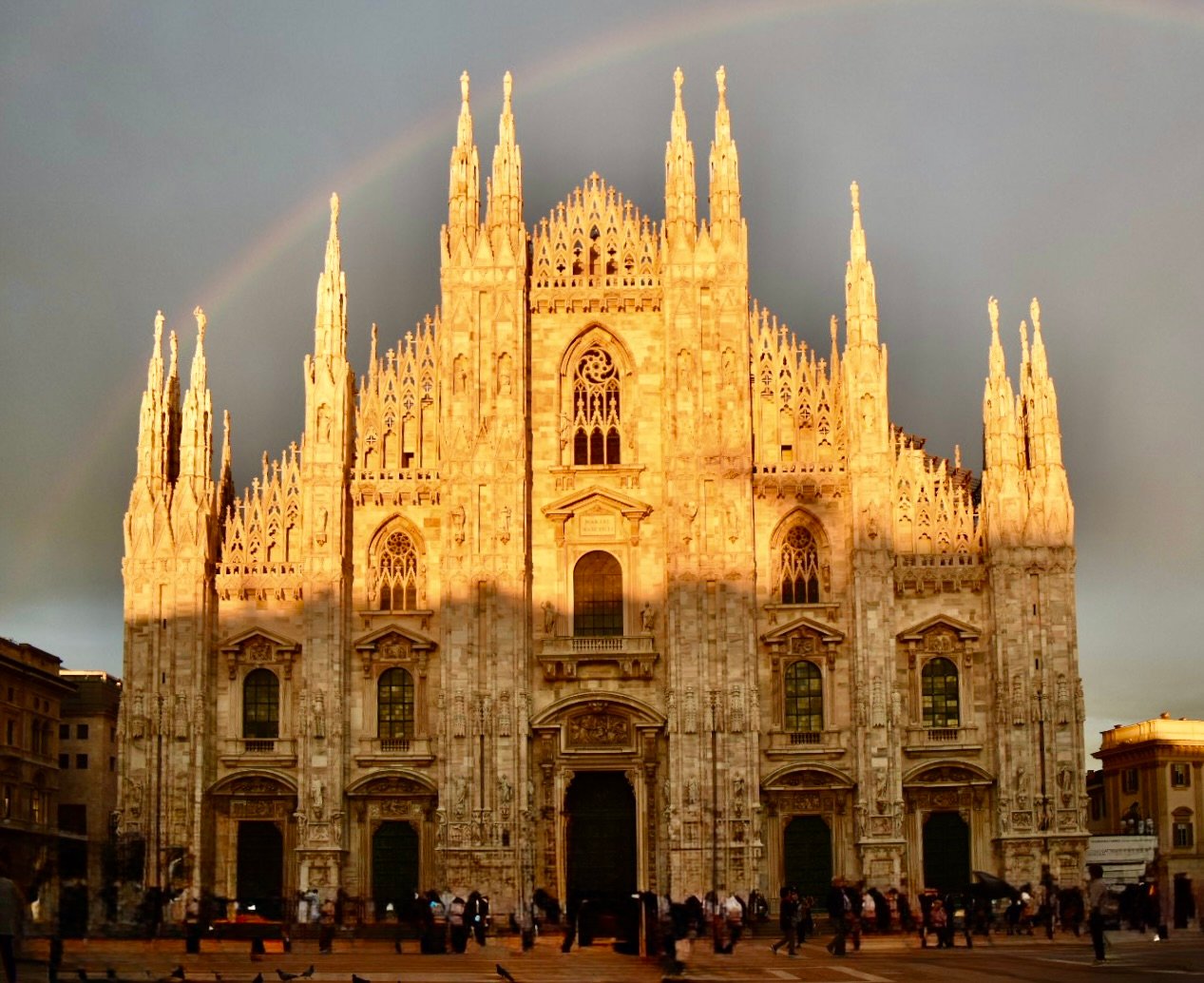
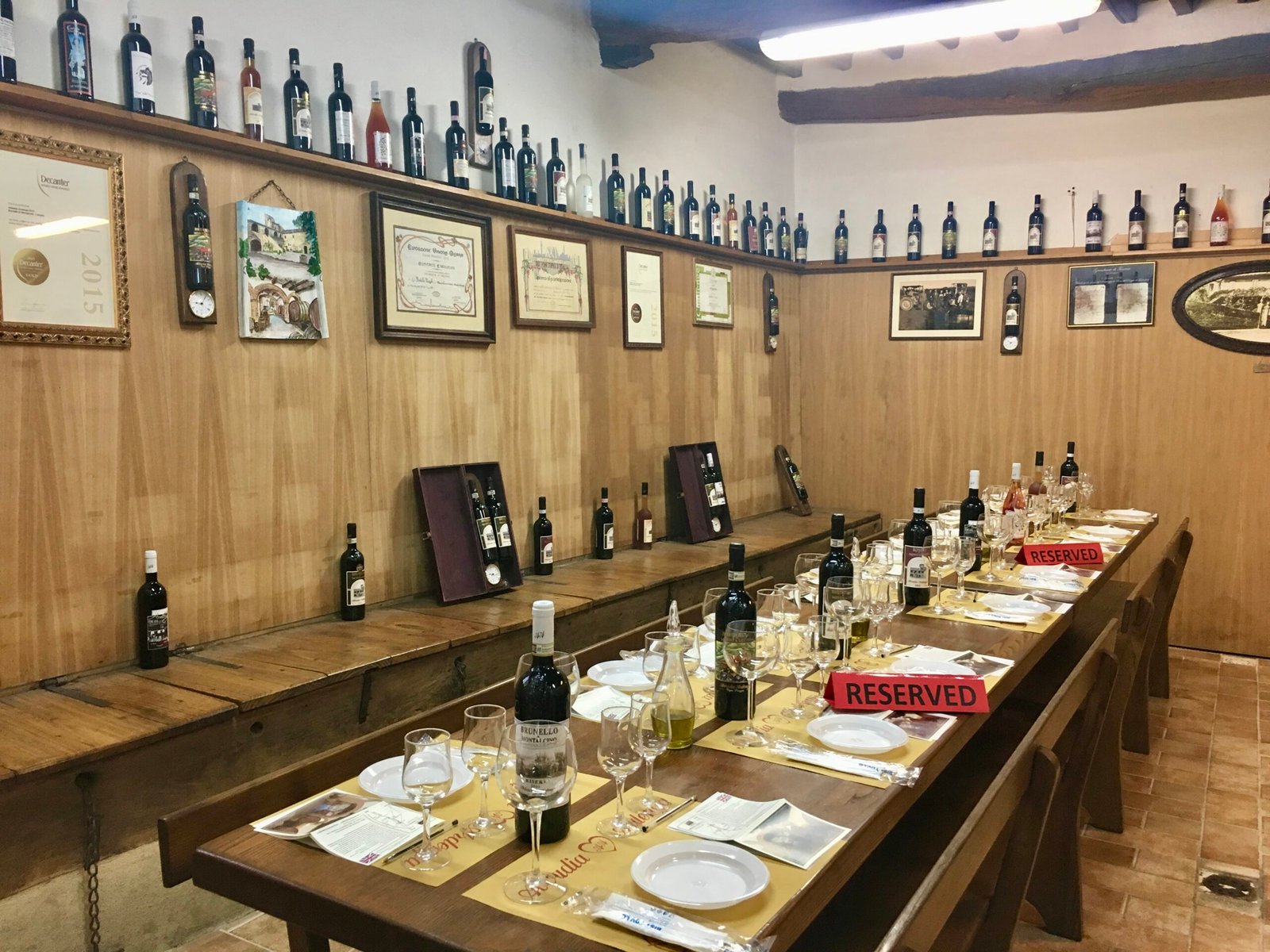
Italian food isn’t just a cuisine — it’s an identity, a conversation, and often a full-blown love affair. Every region tells its story through ingredients, traditions, and timing. Italians don’t just eat; they celebrate food. Mealtime is sacred, slow, and filled with passion. When I lived in Italy, I realized that eating here is less about filling your stomach and more about feeding your soul.
Whether you’re sipping espresso in Rome, twirling fresh pasta in Naples, or enjoying seafood along the Sicilian coast, Italy has a way of making you fall in love one bite at a time 🇮🇹.
There is no single “Italian food.” Cuisine changes dramatically by region, and locals are fiercely proud of their specialties.
Northern Italy (Milan, Venice, Bologna)
Rich, comforting dishes using butter, cream, and eggs.
• Risotto alla Milanese
• Tagliatelle al ragù (Bolognese)
• Polenta and stuffed pastas
Central Italy (Rome, Florence)
Simple, bold flavors built on olive oil and high-quality ingredients.
• Carbonara
• Amatriciana
• Cacio e pepe
• Grilled meats
Southern Italy (Naples, Calabria, Sicily)
Sun-soaked cuisine with tomatoes, seafood, capers, and spice.
• Pizza Napoletana
• Seafood pastas
• Spicy Calabrian dishes
Italian Islands (Sardinia & Sicily)
Distinct flavors shaped by history and geography.
• Couscous
• Citrus desserts
• Cannoli and cassata
💡 Sally’s Tip: Italians rarely mix seafood with cheese — it’s an unwritten rule. Parmesan on shrimp pasta is a dead giveaway you’re not local.
Meals follow a rhythm, not a rush.
• Antipasto: Bruschetta, caprese, cured meats
• Primo: Pasta, risotto, or soup
• Secondo: Meat or fish
• Contorno: Vegetables or potatoes
• Dolce: Dessert
• Caffè: Espresso to finish
💡 Sally’s Tip: Courses arrive separately. Relax — meals are meant to last.
Wine is practically a second language in Italy, and every region speaks it differently.
Red Wines:
• Chianti (Tuscany)
• Barolo (Piedmont)
• Nero d’Avola (Sicily)
White Wines:
• Pinot Grigio (Veneto)
• Vermentino (Sardinia)
Sparkling:
• Prosecco (Veneto)
• Franciacorta (Lombardy)
Aperitivo (6–8 PM):
Aperol Spritz, Negroni, small bites
Digestivo:
Limoncello, grappa, amaro after dinner
💡 Sally’s Tip: Cappuccino is a morning drink only. After meals, Italians drink espresso — quick, strong, and social.
Official Italian wine authority:
👉 https://www.ismea.it (Italian Institute of Agricultural & Food Markets)
Coffee is a ritual, not a takeaway habit.
• Caffè: Espresso
• Doppio: Double espresso
• Macchiato: Espresso with milk foam
• Cappuccino: Morning only
• Caffè freddo: Iced espresso
💡 Sally’s Tip: Coffee is cheaper standing at the bar than sitting at a table. Sitting may include a small coperto or service charge.
Cheeses:
Parmigiano-Reggiano, Pecorino Romano, Mozzarella di Bufala, Gorgonzola
Olive Oil:
Italy’s “liquid gold,” with regional flavor differences
Bread:
Served plain — buttering bread isn’t common
💡 Sally’s Tip: Look for DOP or IGP labels. These protect authentic regional foods like Parmigiano-Reggiano or balsamic vinegar from Modena.
Official food certification reference:
👉 https://www.politicheagricole.it (Italian Ministry of Agriculture)
• Dinner starts late (8–9 PM)
• Bread is part of the meal, not an appetizer
• Meals are social — don’t rush
• The check won’t come unless you ask
• Tipping is modest — rounding up is perfect
💡 Sally’s Tip: Italians rarely split bills into multiple cards. Pay together, sort it out later.
• Tiramisu
• Gelato (pistachio di Bronte, stracciatella)
• Cannoli
• Sfogliatella
💡 Sally’s Tip: Real gelato melts fast and has natural colors. If it’s piled high and neon-bright, it’s probably tourist gelato.
🐦 Sunny’s Fun Fact:
In Italy, food is considered an art form. The word “mangia” (“eat!”) is practically a love language — spoken by grandmothers, chefs, and strangers who just want you to enjoy their cooking 🇮🇹💜
Italy is one of the safest and most traveler-friendly countries in Europe, but it’s always smart to know how to handle the unexpected. Whether it’s a missed train, a minor cold, or navigating a medical emergency, being prepared lets you enjoy la dolce vita with confidence.
When I lived there, I learned that Italians handle emergencies with calm practicality — and a lot of warmth. Even when things feel chaotic, someone always steps in to help. Community care is deeply rooted here, and visitors benefit from that mindset too.
Italy has one of the strongest public healthcare systems in Europe, known as the Servizio Sanitario Nazionale (SSN).
Public Hospitals (Ospedali Pubblici)
• Available in all major cities and most towns
• Emergency care is provided regardless of nationality
• Costs are low compared to many countries, though tourists may pay upfront
Private Clinics
• Faster service and more English-speaking staff
• Higher costs, usually paid out of pocket
Pharmacies (Farmacie)
• Easily identified by a green cross
• Pharmacists are licensed healthcare professionals
• Excellent for non-emergency issues
Official healthcare authority:
👉 https://www.salute.gov.it (Italian Ministry of Health)
💡 Sally’s Tip: Always carry your passport, insurance info, and a list of medications. ID is commonly requested before treatment.
Pharmacies are often your first stop for minor health issues.
• Open standard hours: 9 AM–1 PM and 3 PM–7:30 PM
• Night and Sunday pharmacies rotate — schedules are posted on doors
Common over-the-counter medications:
• Tachipirina (paracetamol)
• Moment (ibuprofen)
• Enterogermina (digestive probiotic)
💡 Sally’s Tip: Pharmacists will ask about symptoms before recommending medicine — it’s normal and incredibly helpful.
Save these numbers in your phone:
• 112 – General emergency (EU-wide, best number to remember)
• 118 – Medical emergencies
• 113 – Police (Polizia di Stato)
• 115 – Fire department (Vigili del Fuoco)
• 116 – Roadside assistance (ACI)
Official emergency services:
👉 https://www.poliziadistato.it
💡 Sally’s Tip: Dial 112 for any emergency — operators often speak English in tourist areas.
Travel insurance is strongly recommended for Italy.
Even with excellent public healthcare, travelers often pay upfront and seek reimbursement later. Choose coverage that includes:
• Medical emergencies and hospitalization
• Trip delays or cancellations
• Lost or stolen luggage
• Evacuation or repatriation
💡 Sally’s Tip: Frequent travelers should consider annual multi-trip insurance — it’s cheaper long-term and covers multiple countries.
• Tap water is safe everywhere unless marked non potabile
• Ice is generally safe but not commonly served
• Street food is safe when vendors are busy and food is freshly made
Italy follows strict EU food safety standards.
Official food safety authority:
👉 https://www.salute.gov.it
💡 Sally’s Tip: Public fountains labeled acqua potabile are free, cold, and often historic — refill your bottle instead of buying plastic.
Violent crime is rare, but petty theft exists in busy tourist areas.
Common sense goes a long way:
• Keep bags zipped and worn in front
• Avoid distractions near ATMs
• Ignore bracelet or rose sellers
• Don’t hang bags on chair backs
💡 Sally’s Tip: Blend in. Italians dress polished and understated — flashy jewelry screams “tourist.”
Italian driving can feel aggressive, but it’s controlled.
• Use pedestrian crossings
• Make eye contact with drivers before crossing
• Watch for scooters — they appear fast and silently
💡 Sally’s Tip: Crosswalks don’t guarantee instant stops. Confidence and awareness matter more than signals.
• Pace sightseeing days
• Eat lighter at lunch, heavier at dinner
• Stay hydrated, especially in summer
• Wear supportive shoes — cobblestones are brutal
💡 Sally’s Tip: Pack a small wellness kit — pain relievers, band-aids, electrolytes, motion sickness meds.
Italy is excellent for solo travelers.
• Women can walk alone safely with basic precautions
• Avoid deserted streets late at night
• A confident “No, grazie” works if someone is pushy
💡 Sally’s Tip: Sitting at café bars is social and normal — it’s one of the easiest ways to feel local.
• Rome: Policlinico Umberto I
• Milan: Ospedale Niguarda Ca’ Granda
• Florence: Careggi University Hospital
• Naples: Ospedale Cardarelli
• Venice: Ospedale Civile SS. Giovanni e Paolo
💡 Sally’s Tip: Save your accommodation address in your phone — it helps in emergencies and with taxis.
🐦 Sunny’s Fun Fact:
Italy’s first medical school, the Schola Medica Salernitana, opened in the 9th century — making Italy one of Europe’s earliest leaders in healthcare and medical science 🇮🇹💜
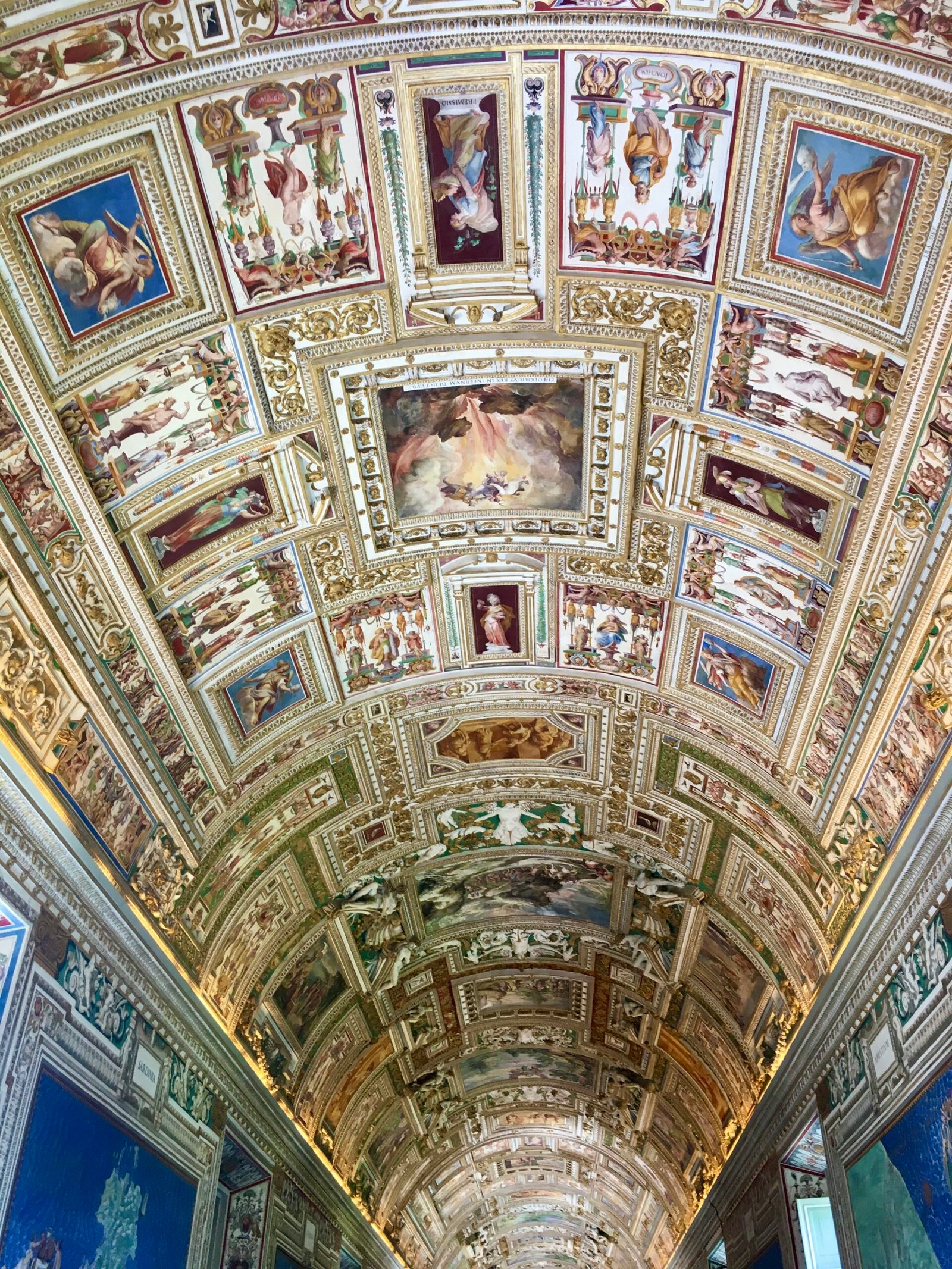
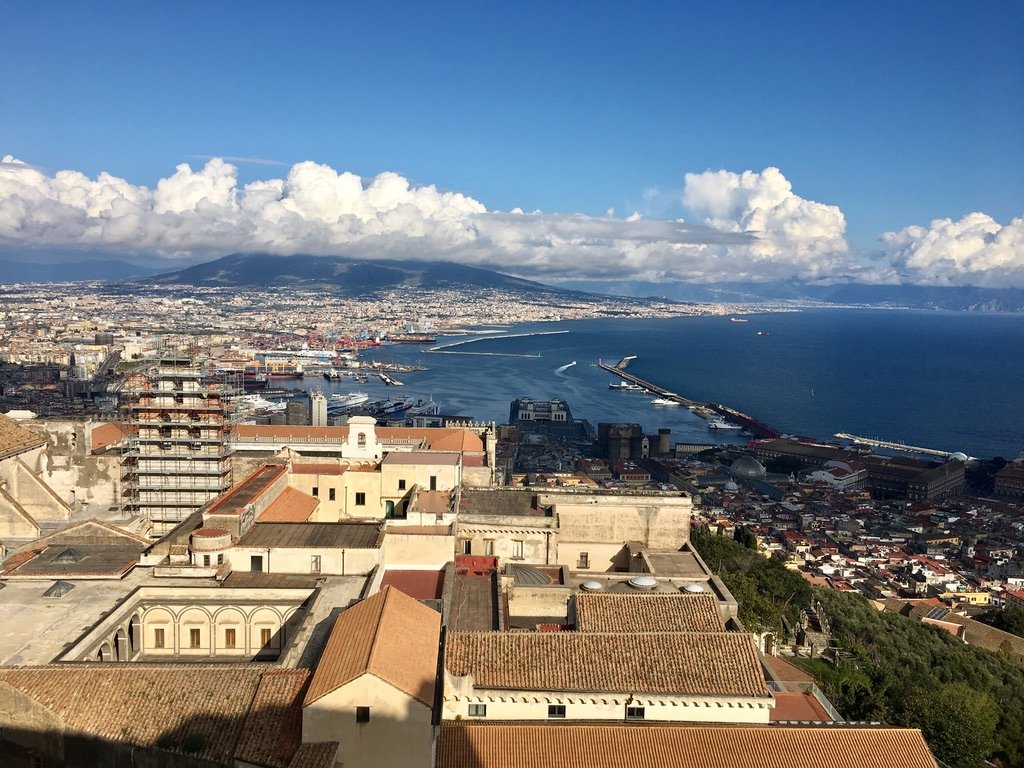
Shopping in Italy isn’t just about what you buy — it’s about the experience. Whether you’re strolling through an open-air market in Florence, browsing luxury boutiques in Milan, or bargaining at a seaside stall in Sicily, shopping here feels like part of daily life, not just a transaction. Italians see beauty in everything, from leather goods to ceramics to food packaging. It’s no wonder Made in Italy is a global symbol of craftsmanship and style.
When I lived in Italy, I learned how deeply locals value their products. Every handmade shoe, bottle of wine, or silk scarf carries a story — often one passed down through generations. Shopping in Italy means connecting with those stories, and sometimes even meeting the artisans behind them.
Milan: Leather handbags, designer fashion, silk ties, luxury shoes
Venice: Murano glass and Burano lace
Turin: Gianduiotti chocolates and vermouth
Official Murano glass consortium:
👉 https://www.consorziomuranovetroartistico.it
Florence & Tuscany: Leather jackets, belts, journals, and artisanal paper
Rome: Tailored clothing, religious items, handmade sandals
Siena: Maiolica ceramics and olive-wood kitchenware
Official Italian leather artisans reference:
👉 https://www.conciatori.it
💡 Sally’s Tip: Always ask if an item is artigianale (handmade). Italy has mass-produced souvenirs too, but true craftsmanship has soul.
Naples: Cameo jewelry from Torre del Greco, nativity figurines, limoncello
Amalfi Coast: Vietri sul Mare ceramics, lemon soaps, linen clothing
Sicily: Colorful pottery, pistachio products, volcanic-stone jewelry
Sardinia: Handwoven textiles and coral jewelry
Official Italian craft heritage reference:
👉 https://www.italia.it (Italian Ministry of Tourism)
• Leather goods from Florence and Milan
• Ceramics from Amalfi, Deruta, and Sicily
• Wine & olive oil directly from vineyards
• Fashion from local boutiques or heritage brands
• Food products like Parmigiano-Reggiano, Modena balsamic vinegar, artisanal pasta
💡 Sally’s Tip: Look for DOP or IGP labels — these protect authentic regional foods.
Official food certification authority:
👉 https://www.politicheagricole.it
Perfect for leather, food, and crafts. Bargaining is common but polite.
• San Lorenzo Market (Florence)
• Campo de’ Fiori & Porta Portese (Rome)
• Fiera di Sinigaglia (Milan)
• La Rinascente – Italian luxury and fashion
• Coin – Italian and international brands
💡 Sally’s Tip: Italians value presentation. Expect beautiful wrapping and unhurried service — it’s part of the experience.
• Prices include IVA (VAT)
• Tax-free shopping applies to non-EU visitors on purchases over €70
• Ask for a VAT refund form at purchase
• Always keep your scontrino (receipt) — required by law
• Shops often close midday and reopen later
Official VAT refund information:
👉 https://www.agenziaentrate.gov.it
💡 Sally’s Tip: Don’t rush. Sellers often share history, care tips, or even a small gift if you take time to connect.
• Venetian masks (papier-mâché, not plastic)
• Local art prints or photography
• Italian cookbooks
• Perfumes from historic houses like Santa Maria Novella
Official historic perfumery:
👉 https://www.smnovella.com
• Mercato Centrale (Florence) – cheeses, truffles, wine
• Campo de’ Fiori (Rome) – flowers, spices, limoncello
• Rialto Market (Venice) – fish and local produce
• Ballarò Market (Palermo) – street food and Sicilian culture
💡 Sally’s Tip: Visit markets early for the best selection — and bring small bills.
• Many boutiques ship internationally
• Duty-free shopping available at airports
• Keep all receipts for VAT refunds
💡 Sally’s Tip: Ask for imballaggio per il volo (flight-safe packing) when buying ceramics or glass — Italians pack beautifully, but confirm it’s truly travel-ready.
🐦 Sunny’s Fun Fact:
Italy protects over 140 artisan crafts by law, from Murano glass to Florentine leatherwork — centuries-old traditions preserved one handmade piece at a time 🇮🇹✨
Italy is one of those rare places where every corner tells a story. From grand Roman ruins and Renaissance masterpieces to sleepy hilltop villages and secret coastal coves, it’s a country that never runs out of magic. The beauty here isn’t just in the famous landmarks — it’s also in the quiet in-between moments: a cappuccino in a sunlit piazza ☕, a Vespa ride through narrow streets 🛵, or the sound of church bells echoing at sunset 🔔.
When I lived in Italy, I realized something most tourists miss — Italy rewards those who slow down. Yes, the Colosseum is unforgettable, but sometimes it’s that tiny trattoria down a back alley or a vineyard road winding through Tuscany that stays with you forever.
Here’s a mix of Italy’s must-see attractions and hidden gems that make it truly unforgettable 🇮🇹.
The Colosseum: Step inside the world’s most famous amphitheater — still standing strong after nearly 2,000 years.
Roman Forum & Palatine Hill: Walk through the political and social heart of ancient Rome.
The Vatican & St. Peter’s Basilica: Home to Michelangelo’s Pietà and the Sistine Chapel — breathtaking no matter your beliefs.
Trevi Fountain: Toss a coin over your right shoulder to ensure your return to Rome 💦.
Aventine Keyhole: A tiny keyhole with a perfectly framed view of St. Peter’s Dome.
Trastevere: Cobblestone streets, live music, and some of the most authentic food in the city.
Via Appia Antica: Rome’s oldest road — rent a bike and ride through olive groves and ancient ruins.
💡 Sally’s Tip: Visit major landmarks early morning or late evening for fewer crowds, better light, and cooler temperatures.
The Duomo: Climb Brunelleschi’s dome for panoramic views of Florence.
Uffizi Gallery: Botticelli, Leonardo da Vinci, and Renaissance greatness in one place.
Ponte Vecchio: Medieval bridge lined with jewelry shops.
Accademia Gallery: Michelangelo’s David — even more powerful in person.
San Miniato al Monte: A peaceful hilltop church with stunning sunset views.
Santa Maria Novella Pharmacy: A 13th-century perfumery that still operates today.
Santo Spirito: A lived-in neighborhood full of local cafés and nightlife.
💡 Sally’s Tip: Most Italian museums close on Mondays — always double-check before planning your day.
St. Mark’s Basilica & Piazza San Marco: Glittering mosaics and iconic views.
Doge’s Palace: Venetian power, politics, and art under one roof.
Rialto Bridge: The oldest bridge over the Grand Canal.
Gondola Ride: Tourist cliché? Yes. Still magical? Absolutely.
Libreria Acqua Alta: A whimsical bookstore with books stacked in boats and bathtubs 📚.
Burano: Colorful houses and handmade lace.
Giudecca: A quieter island with art studios and local life.
💡 Sally’s Tip: Get lost on purpose — Venice is at its best when you stop navigating.
Siena: Home to Piazza del Campo and the famous Palio horse race 🐎.
Pisa: The Leaning Tower — worth the stop.
Chianti: Vineyards, olive groves, and rustic countryside.
San Gimignano: Medieval towers rising above the hills.
Montepulciano & Montalcino: Wine towns surrounded by golden landscapes.
Bagno Vignoni: A thermal spa village with a hot spring in its main square.
Pienza: Pecorino cheese, postcard views, and cinematic scenery.
💡 Sally’s Tip: Tuscany shines brightest between towns — renting a car changes everything.
Positano: Cliffside color and iconic views.
Amalfi: Historic cathedral and seaside charm.
Ravello: Villa Cimbrone’s “Terrace of Infinity” views.
Capri: Monte Solaro chairlift and the Blue Grotto.
Praiano: Quieter, romantic, and less crowded.
Atrani: One of Italy’s smallest towns — authentic and untouched.
Furore Fjord: A hidden beach beneath a dramatic cliff bridge.
💡 Sally’s Tip: Take ferries instead of driving — the coast is best seen from the water 🚤.
Naples: Birthplace of pizza — Da Michele and Sorbillo are legendary 🍕.
Pompeii & Herculaneum: Roman cities frozen in time.
Mount Vesuvius: Hike the crater for views over the Bay of Naples.
Napoli Sotterranea: Underground tunnels and ancient aqueducts.
Procida: A small island with color, calm, and real local life.
💡 Sally’s Tip: Naples feels chaotic at first — give it time. Its heart is warm, loud, and unforgettable.
Lake Como: Glamorous villas and dramatic scenery.
Lake Garda: Sailing, castles, and relaxed charm.
The Dolomites: Hiking in summer, skiing in winter ⛰️.
Varenna: Romantic and quieter than Bellagio.
Ortisei: A fairytale mountain village.
Lago di Braies: Emerald water straight out of a dream.
💡 Sally’s Tip: Visit lakes in May–June or September–October for perfect weather and fewer crowds.
Matera (Basilicata): Ancient cave dwellings carved into stone.
Lecce (Puglia): Baroque beauty known as the “Florence of the South.”
Orvieto (Umbria): Dramatic hilltop city with underground tunnels.
Cinque Terre: Five colorful villages connected by scenic trails.
💡 Sally’s Tip: Regions like Puglia, Umbria, and Basilicata offer Italy at its most authentic — slower, warmer, and more affordable.
🐦 Sunny’s Fun Fact:
Italy currently has 59 UNESCO World Heritage Sites — more than any other country on Earth. From ancient ruins to Renaissance cities, Italy is truly an open-air museum 🇮🇹✨
Italy’s culture is like its coffee, strong, expressive, and impossible to forget. Every gesture, every word, and every meal carries meaning. Italians are passionate about life, and la dolce vita is not just a phrase, it is a way of being. From how people greet one another to how they drink their espresso, everything is done with pride, style, and emotion.
Living in Italy taught me that culture here is about connection. You do not simply talk to Italians, you engage with them. You use eye contact like punctuation, your hands become part of the conversation, and your voice rises in excitement, not anger. Beneath all the energy and flair, there is rhythm, a deep appreciation for good company, good food, and a good story.
Italians believe in living beautifully, not perfectly. Daily life revolves around people, not schedules.
👨👩👧 La Famiglia (Family)
Family always comes first. Meals, holidays, and decisions often center around family, and adult children frequently live close to parents.
🏘 Community Life
Neighborhood cafés, piazzas, and local bars are social hubs. Conversation and connection are part of everyday life.
⚖️ Work Life Balance
Italians work hard, but rest and enjoyment are non-negotiable. Meals are slow, holidays are sacred, and time off is respected.
🎨 Art and Beauty
Beauty is not optional in Italy. From architecture to food presentation to clothing, aesthetics matter in daily life.
💡 Sally’s Tip: Complimenting local food, a hometown, or someone’s sense of style instantly builds rapport. Italians love genuine appreciation.
Italian customs are warm, expressive, and personal.
🤝 Greetings
“Ciao” works among friends or peers. Use “Buongiorno” or “Buonasera” in shops, restaurants, and formal settings. Friends and family often greet with two cheek kisses.
👐 Hand Gestures
Gestures are part of the language. They emphasize emotion and meaning, not aggression.
👥 Personal Space
Italians stand closer than many cultures. This is warmth, not intrusion.
⏰ Punctuality
Flexible for social events, more structured for business. A short delay among friends is normal.
👗 Dress Code
Appearance matters. Italians dress with intention, even casually. Shoes are especially important.
💡 Sally’s Tip: Avoid flip-flops or beachwear away from the coast. Public appearance is seen as a form of respect.
Meals in Italy are about connection, not convenience.
🍽 Dinner Time
Dinner usually begins between 8 and 9 pm, later in the south.
🍷 Table Manners
Hands stay visible on the table. Bread stays on the tablecloth, not on your plate.
📜 Ordering Food
Dishes are meant to be enjoyed as created. Asking for substitutions is uncommon.
💶 Tipping
Tipping is appreciated but modest. Rounding up or leaving 5 to 10 percent is enough.
☕ Coffee Rules
After meals, coffee means espresso. Cappuccino is a breakfast drink.
💡 Sally’s Tip: If invited to dinner, bring wine, dessert, or flowers. Never bring chrysanthemums, they are associated with funerals.
Italian communication is expressive, emotional, and direct.
🗣 Tone and Volume
Conversations can sound intense, even when friendly. Passion is normal.
👐 Body Language
Hands add emphasis and emotion. Communication is physical as well as verbal.
🌍 Language Use
Italian is the official language. Regional dialects like Sicilian, Venetian, and Neapolitan are still widely spoken.
💡 Sally’s Tip: Even basic Italian phrases are deeply appreciated. Effort matters more than perfection.
| English | Italian | Pronunciation |
|---|---|---|
| Hello | Ciao / Buongiorno | Chow / Bwon-jor-no |
| Thank you | Grazie | Grah-tsee-eh |
| Please | Per favore | Pair fah-vo-ray |
| Excuse me | Mi scusi | Mee skoo-zee |
| How much is this? | Quanto costa? | Kwan-toh koh-stah |
| Yes / No | Sì / No | See / Noh |
| Goodbye | Arrivederci | Ah-ree-veh-dair-chee |
💡 Sally’s Tip: A simple “grazie mille” goes a very long way.
Religion plays a strong cultural role in Italy.
✝️ Main Religion
Roman Catholicism deeply influences traditions, holidays, and daily life.
🎉 Important Holidays
• Epiphany (January 6), La Befana brings gifts
• Easter (Pasqua), family feasts and church celebrations
• Ferragosto (August 15), national summer holiday
• Christmas (Natale), long multi-course dinners and midnight mass
💡 Sally’s Tip: Expect slower service or full closures in August and on major holidays. Italians take rest seriously.
✔ Greet shopkeepers when entering and leaving
✔ Dress neatly, even while sightseeing
✔ Take your time at meals and enjoy conversation
❌ Ask for pineapple on pizza
❌ Request cheese on seafood pasta
❌ Speak loudly in churches
❌ Assume everyone speaks English
💡 Sally’s Tip: Italians respect curiosity and effort. Show interest in their culture and you will be welcomed warmly.
Italy lives through creativity.
🎼 Opera
Born in Italy, still celebrated nationwide.
🎭 Festivals
From Venice Carnival to Siena’s Palio, each region celebrates its identity.
🎬 Cinema
Italian film history is a source of national pride.
🎸 Street Performers
Common in piazzas. Small tips are appreciated.
💡 Sally’s Tip: Ask locals what’s happening that week. Many events never make it into guidebooks.
Bella figura is the art of making a good impression through grace, manners, and presentation. It is not about showing off, it is about respect for yourself and others.
💡 Sally’s Tip: The best way to experience Italy is to blend in, slow down, dress well, speak kindly, and connect genuinely.
Italians use hundreds of hand gestures daily. The famous pinched-fingers gesture can mean anything from disbelief to frustration to curiosity, depending entirely on tone and context. 🇮🇹💜