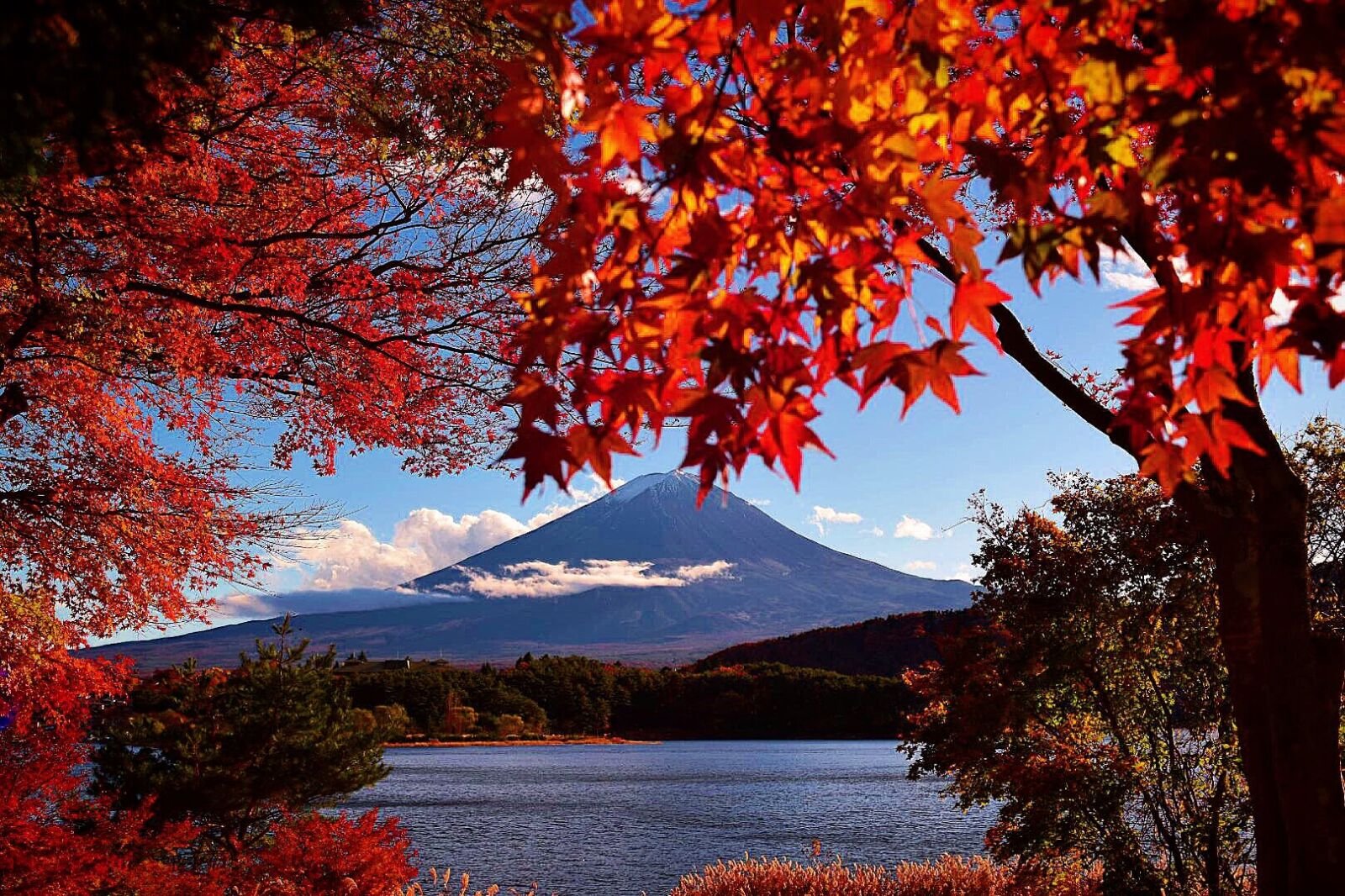
Most travelers can enter Japan visa-free for up to 90 days 🧳 (including visitors from the U.S., Canada, U.K., and many EU countries).
You’ll need:
A valid passport 🛂 (generally valid for the duration of your stay — Japan doesn’t require “6 months” like some countries do)
A return or onward ticket 🎫✈️
Proof of sufficient funds 💳💴 (rarely checked, but worth noting)
For longer stays, work, or study visas 🧑🎓💼, you’ll typically need a Certificate of Eligibility (CoE) from a sponsor in Japan before applying at a Japanese embassy 🏛️.
💡 Sally’s Tip: Japan’s arrival process is increasingly digital 📲 — you can register ahead using the Visit Japan Web portal and get a QR code to help speed things up at the airport.
Travel insurance isn’t mandatory ✅ but it’s highly recommended 💯. Japan’s healthcare is excellent 🏥✨, but it can get expensive for visitors without coverage 💸.
Make sure your plan includes:
Medical emergencies 🚑
Evacuation 🛫
Lost luggage or trip interruptions 🧳😩
As of now, Japan generally does not require COVID vaccination proof or testing for entry 🧪🚫 — but always confirm right before travel because rules can change.
Japan’s major entry points include:
Tokyo (Narita & Haneda) 🗼✈️
Osaka (Kansai International) 🏙️
Nagoya (Chubu Centrair) 🛬
Fukuoka (Kyushu) 🌴
Immigration is usually smooth 😌 and signage is English-friendly 🇬🇧✅. After customs, you’ll typically find:
SIM cards + Wi-Fi rentals 📶
IC cards / transit help 🚉
ATMs 🏧
Rail counters & info desks ℹ️
💡 Sally’s Tip: If you’re planning to use the Visit Japan Web QR setup, do it before you land 🛬 — it can save you time in the arrival lines.
If you’re doing long-distance travel (Tokyo ➝ Kyoto ➝ Osaka ➝ Hiroshima style) 🗺️🚄, the JR Pass might save you money — but it depends on your route and travel pace.
💡 Sally’s Tip: JR Pass rules and pricing can change, so if you think you want one, check the official JR Pass site and buy online ahead of time 📲.
Japan is neat, compact, and organized 🧼📦 — and your packing should be, too.
Bring:
Comfortable walking shoes 👟 (you’ll walk a lot 🚶♀️)
Slip-on shoes 🥿 (you’ll remove them in temples, some restaurants, and ryokan inns 🏯)
A small collapsible umbrella ☔ (weather flips fast 🌦️)
Modest clothing for shrines and temples 🙏
Travel-size hand sanitizer + tissues 🧻🧴 (some restrooms don’t have towels)
💡 Sally’s Tip: Japan loves efficiency ✅ — pack light 🎒 and use the coin lockers found in many train stations 🔐🚉 when you’re on the go.
Japan’s public Wi-Fi is improving 📶 but can still be inconsistent depending on where you are 🗺️.
Easiest options:
Portable Wi-Fi router 📡 (rent at the airport or reserve online)
eSIMs or prepaid SIMs 📲 (great for navigation + translation on the fly)
💡 Sally’s Tip: Download these before you go ⬇️:
Google Maps 🗺️
Japan Travel (Navitime) 🚉
Translate app with offline Japanese 🈯
Lifesavers for menus, signs, and train platforms 🍜🚆.
Japan can be pricey 💸, but smart travelers can manage it.
Budget travelers: $75–$120/day 💵
Mid-range: $150–$250/day 💳
Luxury: $350+/day 🥂✨
Save money by:
Staying in business hotels, capsule hotels, or Airbnbs 🏨🛌
Eating at convenience stores (konbini) 🏪 — fresh sushi, udon, and bento boxes 🍣🍜🍱
Using IC cards (Suica or Pasmo) 💳🚉 for trains, buses, and even vending machines
Japan is GMT+9 ⏰ with no daylight savings 🌞🚫.
Politeness and punctuality are cultural pillars 🙇♀️⏱️ — being late or overly loud is considered rude 😬. When in doubt, observe first 👀 and follow the local flow 🌊.
💡 Sally’s Tip: Learn a few basic greetings 🗣️ — even “Arigatou gozaimasu” (thank you very much) 🙏 or “Sumimasen” (excuse me) 🙇 can earn instant respect.
Japan has about 4 million vending machines 🤯🥤 (2021 estimate) — roughly one for every 31 people. You can still buy wild stuff like hot coffee ☕, snacks 🍫, umbrellas ☔, and yes… even ties 👔.
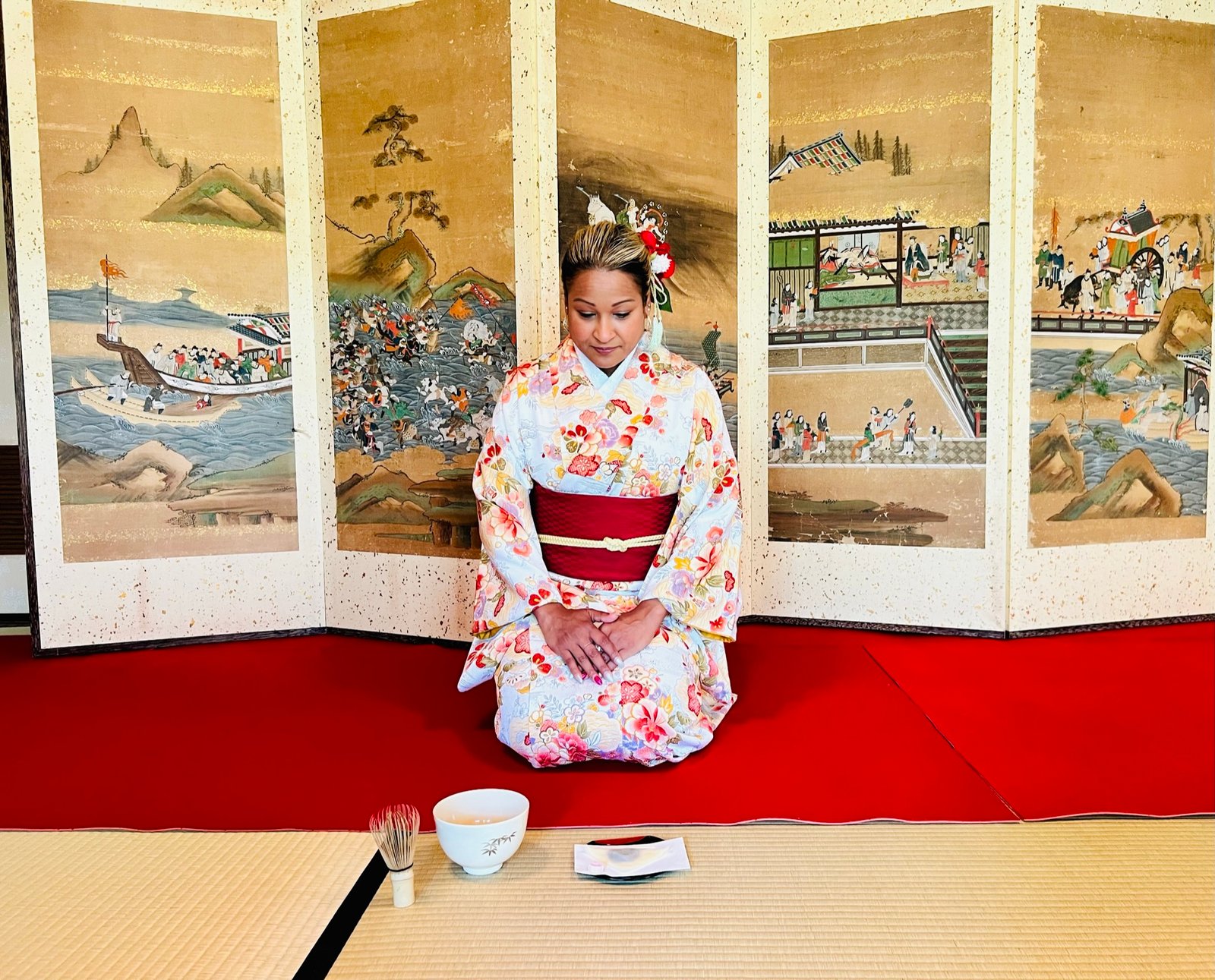
Money in Japan is a fascinating mix of tradition and high technology. You can use crisp paper bills at a centuries-old shrine one minute, then tap your phone at a vending machine the next. But make no mistake, cash is still king here. Even in this ultra-modern society, Japan has a deep cultural respect for physical money, precision, and notably, no tipping.
Japan’s official currency is the Japanese Yen (¥ / JPY).
🪙 Coins:
¥1, ¥5, ¥10, ¥50, ¥100, ¥500
💵 Bills:
¥1,000, ¥5,000, ¥10,000
💡 Sally’s Tip: The ¥5 coin, which has a hole in the middle, is considered lucky because go en sounds like “good fortune” or “good connection” in Japanese. Many people keep one in their wallet or offer it at shrines.
Despite Japan’s tech-forward image, cash is still required in many places, especially:
• Small local restaurants
• Temples and shrines
• Rural inns (ryokan)
• Traditional markets
🏪 7-Eleven ATMs (most reliable)
🏣 Japan Post ATMs
🏪 FamilyMart and Lawson ATMs
Most of these ATMs have English menus and accept Visa and Mastercard, and sometimes American Express.
💡 Sally’s Tip: Withdraw larger amounts at once to reduce ATM fees, and keep smaller bills handy for trains, shrines, vending machines, and coin lockers.
Credit card acceptance is improving, especially in major cities, hotels, and chain restaurants, but cash is still essential.
Be aware that:
• Local eateries and family-run shops may not accept cards
• Some taxis and buses require cash or IC cards rather than credit cards
• Digital wallets like PayPay, LINE Pay, and Rakuten Pay are popular with locals but often require a Japanese bank account
For travelers, Apple Pay and Google Pay linked to an international card work best when available.
If you remember only one thing from this section, remember this:
Get an IC card.
These rechargeable transit cards make daily life in Japan incredibly easy. You can use them to:
🚆 Pay for trains, subways, and buses
🥤 Buy drinks and snacks from vending machines
🏪 Pay at convenience stores, arcades, and some cafés
You can purchase IC cards at airports and train stations and reload them with yen as needed.
💡 Sally’s Tip: Suica and Pasmo can be added directly to Apple Wallet on iPhones, so you may not need a physical card at all. Android support varies by device and region.
This is where Japan truly stands apart.
Tipping is not customary in Japan and may even cause confusion or discomfort. Excellent service is expected and considered part of professional pride, not something that earns extra money.
🏨 Hotels: No tipping required
🍣 Restaurants: Never leave money on the table, pay at the register
🚕 Taxis: Drivers will politely refuse tips
💆 Spas and salons: Service is fully included
If you want to express appreciation, a small thoughtful gift, such as chocolates or a souvenir from your home country, is more culturally appropriate.
💡 Sally’s Tip: For private guides or special circumstances, money may be accepted if placed neatly in an envelope and handed over with both hands. Never hand cash directly.
Exchange rates fluctuate daily, but as of early 2025, approximate averages are:
🇺🇸 1 USD ≈ ¥145
🇪🇺 1 EUR ≈ ¥155
You can exchange money:
🏦 At Japanese banks
✈️ At airport exchange counters
🏨 At major hotels or department stores
🏧 Or withdraw yen directly from ATMs, often the best rate
💡 Sally’s Tip: Avoid exchanging large sums at home. Japanese ATMs and airport exchanges usually offer better rates than foreign banks.
Presentation matters, even with cash.
• Place money neatly in the tray provided at registers
• Do not hand bills directly to staff
• Avoid folding or crumpling bills
• Carry a coin purse, change adds up quickly
These small gestures show respect and help you blend in effortlessly.
Japan has about 4 million vending machines, roughly one for every 30 people. You can buy everything from hot coffee and green tea to umbrellas, batteries, and sometimes even ramen 🍜.
🇯🇵 Visit Japan Web (entry procedures):
https://www.vjw.digital.go.jp/
🛂 Embassy of Japan in the United States:
https://www.us.emb-japan.go.jp/
🚆 Japan Rail Group (official JR info):
https://www.japanrailpass.net/
🏧 Japan Post Bank (ATM info):
https://www.jp-bank.japanpost.jp/en/
Japan’s weather is one of the reasons it’s such a magical place to visit. It changes dramatically through the seasons, so the same city can feel like a completely different world depending on when you go. From cherry blossoms in spring to snow-covered temples in winter, each season brings its own travel rhythm and packing style.
I’ve experienced Japan in both sweltering summer heat and peaceful winter snow, and trust me — what you wear, and when you go, makes all the difference.
Spring in Japan is postcard-perfect. Think pink cherry blossoms, hanami picnics under sakura trees, and cool, comfortable air.
🌦 Typical temperatures: ~10°C to 20°C (50°F to 68°F)
🌸 Best for: Cherry blossoms, outdoor sightseeing, Kyoto temples, Tokyo parks
What to pack:
👕 Light layers (long sleeve shirt, cardigan, denim jacket)
👖 Comfortable pants or jeans
👟 Sneakers for walking
☔ Lightweight rain jacket, small umbrella (spring showers are common)
💡 Sally’s Tip: Cherry blossoms bloom at different times depending on location — late March in Tokyo, early April in Kyoto, and even later up north in Hokkaido. Check the Japan Meteorological Agency sakura forecast before you plan.
Official source: 🌸 https://www.jma.go.jp/en/sakura/
Summer in Japan can be very hot and humid, especially in cities like Tokyo and Osaka. Walking outside feels sticky, but this is also festival season, with energetic matsuri and colorful fireworks (hanabi).
🔥 Typical temperatures: ~25°C to 35°C (77°F to 95°F) with high humidity
🎆 Best for: Festivals, fireworks, Okinawa beaches, cool mountain escapes
What to pack:
👕 Breathable cotton or linen clothing
🩳 Shorts, tank tops, sundresses
🕶 Hat, sunglasses, sunscreen
🌀 Portable fan or cooling towel
👡 Sandals or light sneakers
💡 Sally’s Tip: June is the main rainy season in many areas, and July and August can bring typhoons near coastal regions. Bring a foldable umbrella and check the Japan Meteorological Agency typhoon advisories if you’re traveling then.
Official source: ⛈️ https://www.jma.go.jp/en/typh/
Autumn is Japan’s other favorite season. You’ll enjoy cooler weather, fewer crowds, and vibrant red and gold leaves across parks and mountains.
🍂 Typical temperatures: ~10°C to 22°C (50°F to 72°F)
🍁 Best for: Kyoto and Nara temples, onsens (hot springs), hiking, food festivals
What to pack:
🧥 Light sweater or cardigan
🧣 Scarf for layering
👟 Comfortable walking shoes, perfect for leaf viewing
🧥 Light jacket for evenings
💡 Sally’s Tip: Visit places like Nikko, Kyoto, or Hakone for breathtaking fall foliage. Peak colors often occur late October through November in many regions.
Winter in Japan is clean, calm, and beautiful — especially up north. Snow festivals, onsens, and winter illuminations make this a magical time to visit.
❄️ Typical temperatures: ~-5°C to 10°C (23°F to 50°F) in many areas
🏂 Best for: Skiing in Hokkaido, hot springs in Hakone, winter lights in Tokyo and Osaka
What to pack:
🧥 Warm coat or down jacket
🧤 Gloves, hat, scarf
🧦 Thermal layers
🥾 Waterproof boots if you’re heading to snowy regions
🩱 Swimsuit (for onsens)
💡 Sally’s Tip: Many Japanese homes and restaurants are well heated but not heavily insulated, so layers are key. You’ll peel off inside, then re-layer outdoors.
🌆 Tokyo & Osaka: Mild winters, hot humid summers, good for year-round travel
🍁 Kyoto: More seasonal variation, colder in winter, humid in summer
❄️ Hokkaido: Snow paradise in winter, mild summers
🌴 Okinawa: Subtropical, warm most of the year, beach weather early spring through late autumn
Japan is modern, but modesty and presentation still matter.
• Avoid overly revealing clothing at temples or shrines
• Tattoos may be frowned upon in some onsens — consider covering them with waterproof patches
• Always remove shoes before entering traditional homes, temples, ryokans, even some restaurants — pack socks without holes!
💡 Sally’s Tip: For temples or cultural events, wear neat, clean clothing. Many Japanese people take care in their appearance, even for casual days.
In Kyoto, there’s a saying:
“Kyo no yuki, hana no you ni” — The snow of Kyoto falls like flowers. 🌸❄️
Locals believe winter snowflakes mirror spring blossoms, reminding everyone that beauty exists in every season.
🌏 Japan Meteorological Agency – general weather forecasts:
https://www.jma.go.jp/en/
📍 Typhoon and seasonal info:
https://www.jma.go.jp/en/typh/
🌸 Cherry blossom forecast:
https://www.jma.go.jp/en/sakura/
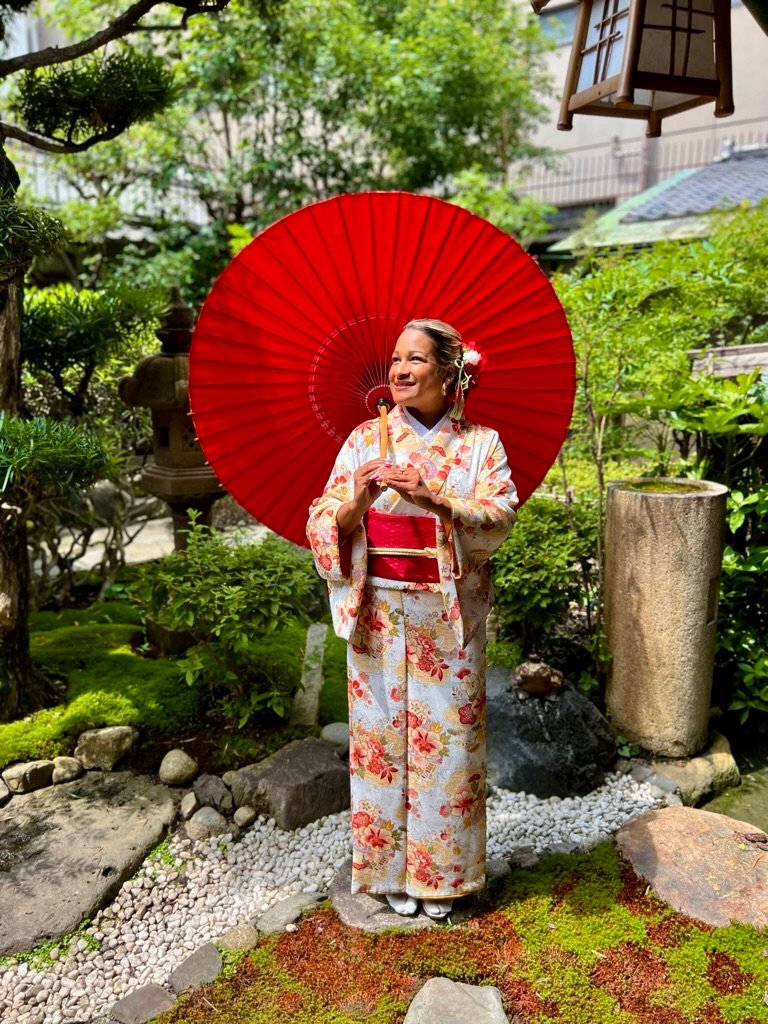
Japan offers one of the most diverse accommodation scenes in the world, from futuristic capsule hotels to centuries-old ryokans with tatami mats and sliding doors. Where you stay here is not just about having a place to sleep, it is part of the travel experience.
During my time living and traveling across Japan, I quickly learned that accommodations here are built on three things, cleanliness, respect, and quiet. From check-in to checkout, everything runs smoothly, and it is genuinely rare to have a bad stay, even at budget properties.
Staying in a ryokan feels like stepping back in time. Expect tatami mats, sliding shoji doors, yukata robes, and carefully prepared multi-course kaiseki dinners.
Many ryokans include onsen (hot spring) access, and some serve meals in your room or in private dining areas.
💴 Average price: ¥20,000 to ¥50,000 per night (approximately $130 to $350 USD), depending on location and meal inclusion
📍 Common locations: Kyoto, Hakone, Nikko, Takayama
Shoes are removed at the entrance, slippers are provided, and quiet behavior is expected throughout the stay.
💡 Sally’s Tip: When you enter a ryokan, bow slightly, remove your shoes, and follow staff guidance. This hospitality philosophy is called omotenashi, the Japanese art of thoughtful service.
Japan’s business hotels are clean, efficient, and surprisingly comfortable. They are ideal for solo travelers or couples who value convenience over space.
Rooms are compact, sometimes very compact, but amenities are excellent. Expect slippers, pajamas, toiletries, tea sets, and famously high-tech toilets.
💴 Average price: ¥7,000 to ¥15,000 per night (approximately $50 to $100 USD)
🏨 Common chains: APA Hotel, Toyoko Inn, Hotel Mystays, Daiwa Roynet
💡 Sally’s Tip: Some business hotels offer breakfast, but it is not always free. When included, it is often excellent, featuring both Japanese and Western options like miso soup, rice, eggs, and pastries.
Japan invented the capsule hotel, compact sleeping pods designed for efficiency and short stays. Each capsule usually includes a bed, power outlet, light, and sometimes a screen or privacy curtain.
💴 Average price: ¥3,000 to ¥6,000 per night (approximately $20 to $40 USD)
👤 Best for: Solo travelers
📍 Common locations: Tokyo, Osaka, major train stations, airports
Bathrooms and showers are shared but extremely clean. Luggage is stored in lockers or staff-managed storage areas.
💡 Sally’s Tip: Many capsule hotels have separate floors or facilities for men and women. Always check policies before booking.
Minshuku are Japan’s version of bed and breakfasts, small family-run guesthouses that focus on warmth and local connection.
You may share bathrooms and meals with other guests, making this a great option for cultural immersion.
💴 Average price: ¥6,000 to ¥12,000 per night (approximately $40 to $80 USD)
📍 Common locations: Rural towns, mountains, coastal villages
💡 Sally’s Tip: Some minshuku do not appear on major international sites. Look on Booking.com or Rakuten Travel under traditional or Japanese-style stays.
Japan’s luxury hotels combine high-tech design with impeccable service. Expect skyline views, spa facilities, and meticulous attention to detail.
You will find global brands like Hilton, Ritz-Carlton, Park Hyatt, alongside prestigious Japanese brands such as Hoshino Resorts and Hotel Okura.
💴 Average price: ¥30,000 to ¥100,000 or more per night (approximately $200 to $700+ USD)
💡 Sally’s Tip: Luxury does not always mean Western. A high-end ryokan can offer an even richer experience for the same price, with deeper cultural immersion.
Airbnb and short-term rentals are legal and regulated in Japan under the Minpaku law. Hosts must register with the government and display a valid registration number.
Pros:
🏠 Privacy
🍳 Kitchens
🧺 Washing machines
Cons:
📍 Sometimes farther from train stations
🧳 Limited luggage space
💡 Sally’s Tip: Always confirm that the listing shows an official Minpaku registration number. Unregistered listings can be canceled with little notice.
Most properties are available on:
• Booking.com
• Agoda
• Rakuten Travel (Japan’s local favorite)
• Expedia Japan
💡 Sally’s Tip: Japanese booking platforms sometimes offer lower domestic rates. If you are comfortable using translation tools, it is worth checking Japanese-language pages.
• Remove shoes if slippers are provided
• Keep noise low, especially in shared spaces
• Avoid leaving rooms excessively messy
• Say “Arigatou gozaimasu” when checking out
These small gestures are noticed and appreciated.
If your accommodation includes an onsen or public bath, follow these rules:
🚿 Wash thoroughly before entering the bath
🧖 Enter naked, swimsuits are not allowed
🧺 Keep towels out of the water
🖋 Tattoos may be restricted, though policies are slowly changing
💡 Sally’s Tip: Search specifically for tattoo-friendly onsens, especially in Tokyo, Nagano, and Hokkaido.
The world’s first robot-staffed hotel, Henn na Hotel, opened in Nagasaki in 2015. It famously featured robotic dinosaur receptionists 🤖. Most robots were later replaced by humans because, it turns out, robots are not great at checking passports.
🇯🇵 Japan National Tourism Organization (official travel info):
https://www.japan.travel/
🏘️ Minpaku (legal short-term rentals, government site):
https://www.mlit.go.jp/kankocho/minpaku/
🏨 Hoshino Resorts (official Japanese luxury ryokan group):
https://www.hoshinoresorts.com/
If there is one thing Japan has absolutely mastered, it is transportation. The entire system runs with clockwork precision ⏱️, from bullet trains that arrive to the minute, to spotless subways and buses that feel almost intuitive. Getting around Japan is not just travel, it is part of the experience.
The first time I rode the Shinkansen, it felt like gliding through time 🚄. You board, settle in quietly, the countryside flashes past Mount Fuji, and before you know it, you have crossed regions with zero stress and no delays.
Japan has several international gateways, but these are the main ones most travelers use:
✈️ Tokyo Haneda (HND)
The most convenient airport for central Tokyo. Clean, efficient, and about 25 to 30 minutes from downtown by train.
✈️ Tokyo Narita (NRT)
Larger and farther out, about 60 to 90 minutes from central Tokyo. Common for long-haul international flights.
✈️ Osaka Kansai (KIX)
The main airport for the Kansai region, serving Osaka, Kyoto, Nara, and Kobe.
✈️ Nagoya Chubu Centrair (NGO)
A modern, less crowded airport serving central Japan.
Other notable international airports include Fukuoka for Kyushu and New Chitose (CTS) for Hokkaido.
💡 Sally’s Tip: Flying into one city and out of another is called an open-jaw ticket. It often saves time and money because you avoid backtracking.
🚆 Tokyo Monorail to Hamamatsucho Station, connects to the JR Yamanote Line
🚈 Keikyu Line to Shinagawa Station
🚕 Taxis are clean and reliable but expensive, roughly ¥6,000 to ¥8,000 to central Tokyo depending on traffic
🚆 Narita Express (N’EX), about 60 minutes to Tokyo Station
🚄 Keisei Skyliner, about 41 minutes to Ueno
🚌 Airport Limousine Bus, convenient for hotels in Shinjuku, Ginza, and major districts
🚆 Haruka Limited Express to Kyoto, about 75 minutes
🚈 Nankai Line to Namba Station, about 45 minutes
💡 Sally’s Tip: Always keep your hotel name and address written in Japanese. Many taxi drivers do not speak English, but written addresses are instantly understood.
The Shinkansen is Japan’s transportation crown jewel, fast, quiet, and incredibly reliable. Trains operate at speeds of up to 320 km per hour (about 200 mph) on select routes.
🚄 Tokaido Line: Tokyo, Kyoto, Osaka
🚄 Tohoku Line: Tokyo, Sendai, Aomori
🚄 Sanyo Line: Osaka, Hiroshima, Fukuoka
The JR Pass offers unlimited rides on most JR trains, including many Shinkansen services.
• Available in 7, 14, and 21-day options
• Intended for foreign tourists
• Can be purchased before arrival or in Japan, but prices are higher when purchased domestically
💡 Sally’s Tip: If you are only visiting one region or just two cities, a regional rail pass may be cheaper than the nationwide JR Pass.
In Japan’s cities, trains are everything.
🚇 Tokyo Metro and Toei Lines cover nearly the entire city
🚇 Osaka Metro is clean and easy to navigate
🚌 Kyoto relies more on buses, paired with a smaller rail network
Trains are famously punctual, platforms are spotless, and passengers line up quietly.
💡 Sally’s Tip: Escalator etiquette varies by region. In Tokyo, stand on the left. In Osaka, stand on the right.
Buses are essential in areas where trains do not reach, especially in Kyoto, Nikko, and rural regions.
🪙 Use IC cards like Suica or Pasmo to tap in and out
💴 City fares are typically around ¥210 to ¥230
🚌 Long-distance highway buses, such as JR Bus or WILLER Express, are budget-friendly alternatives to trains and often run overnight.
💡 Sally’s Tip: Boarding rules vary by region, but in many cities you enter from the back and exit from the front. Watch locals and follow their lead.
Taxis are extremely safe, clean, and reliable, but they are expensive.
🚪 Doors open automatically
📄 Drivers often do not speak English, show your destination in writing
💳 Many accept credit cards or IC cards, but cash always works
💡 Sally’s Tip: Use the GO Taxi app or JapanTaxi, which function like Uber but use licensed Japanese taxis.
In cities like Kyoto, Nara, and Hiroshima, bikes are a fantastic way to explore.
🚲 Helmets are recommended but not mandatory for adults
🚫 Park only in designated areas, fines for illegal parking are enforced
Japan is one of the most pedestrian-friendly countries in the world.
• Sidewalks are everywhere
• Streets are safe, even at night
• Drivers are cautious and respectful
Just remember one cultural rule, do not walk and eat, it is considered poor manners in most places.
Japanese trains are so punctual that when one departed 20 seconds early, the rail company issued a formal public apology ⏱️. In Japan, time is taken very seriously.
🚆 Japan Rail Group official site:
https://www.japanrailpass.net/
✈️ Haneda Airport official site:
https://tokyo-haneda.com/en/
✈️ Narita Airport official site:
https://www.narita-airport.jp/en/
🗺️ Japan National Tourism Organization:
https://www.japan.travel/
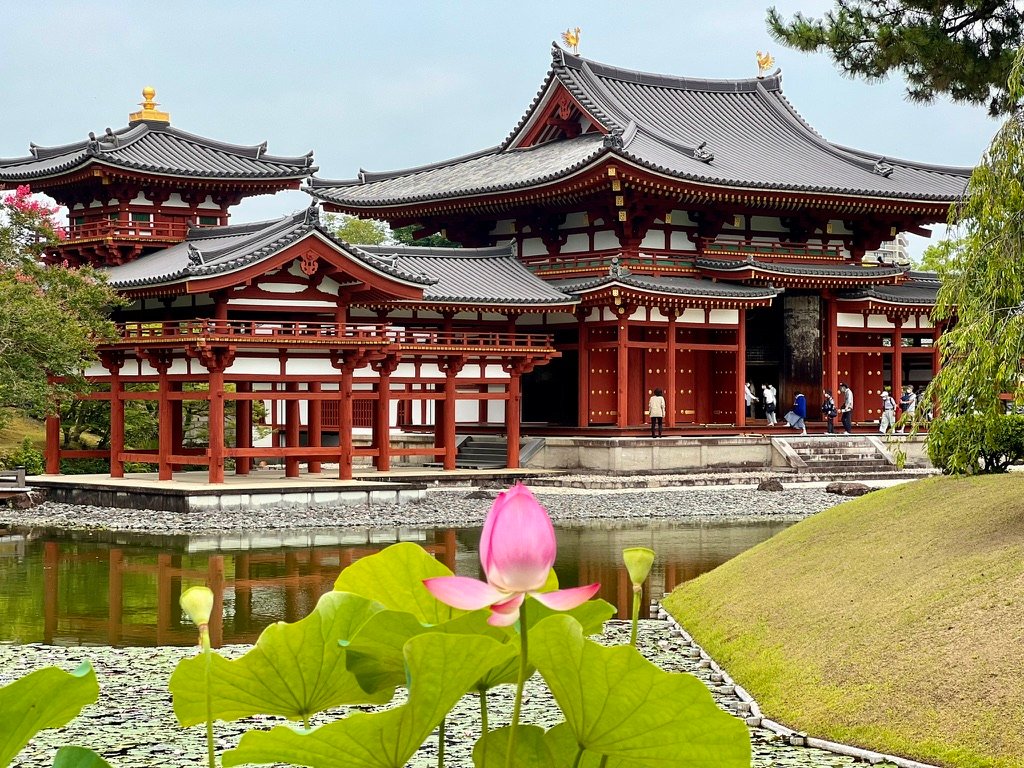
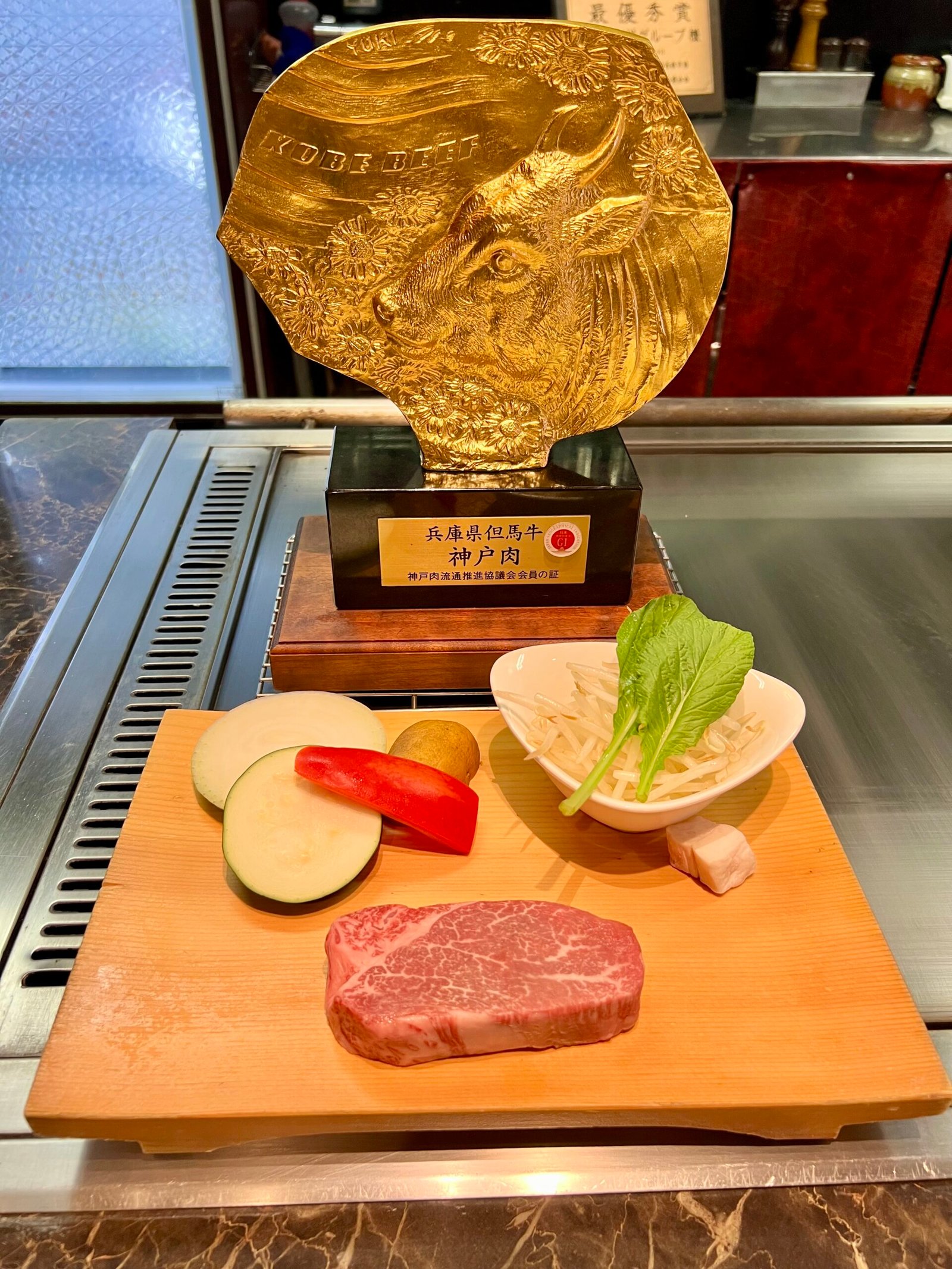
If there is one country where food feels like an art form, it is Japan. Every meal reflects balance, texture, presentation, and respect, for the ingredients, the seasons, and the people you share it with. Whether you are enjoying sushi at a Michelin-starred counter or slurping noodles at a tiny street-side shop, Japanese food tells a story in every bite.
When I first lived in Japan, I noticed how much care goes into even the smallest details. How rice is washed, how bowls are placed, and how silence often accompanies that first bite. Meals are not rushed, they are appreciated.
These are iconic dishes every traveler should experience, and where they shine best.
🍣 Sushi (寿司)
Fresh, precise, and deceptively simple. You will find excellent sushi everywhere, from casual conveyor-belt spots (kaitenzushi) to high-end counters.
📍 Where: Tsukiji Outer Market in Tokyo, neighborhood sushi bars, kaitenzushi chains
🍜 Ramen (ラーメン)
Comfort food at its finest. Broth styles vary by region:
• Shoyu (soy sauce), Tokyo
• Miso, Hokkaido
• Tonkotsu (pork bone), Kyushu
• Shio (salt), Hakodate
🍤 Tempura (天ぷら)
Lightly battered seafood and vegetables, crisp and airy, never greasy.
🥞 Okonomiyaki (お好み焼き)
A savory pancake layered with cabbage, pork, and sauce.
📍 Where: Osaka is famous for its style
🐙 Takoyaki (たこ焼き)
Fried octopus balls, crispy outside and molten inside. Best eaten hot.
📍 Where: Osaka street stalls and festivals
🍢 Yakitori (焼き鳥)
Skewered grilled chicken, seasoned simply with salt or sauce. Perfect with a cold beer.
🍜 Soba & Udon
Buckwheat soba or wheat udon noodles, served hot or chilled depending on the season.
🍚 Donburi (丼)
Rice bowls topped with meat or seafood. Gyudon (beef bowl) is fast, filling, and everywhere.
🍽️ Kaiseki (懐石)
A refined multi-course dining experience emphasizing seasonality, balance, and presentation.
💡 Sally’s Tip: Some of Japan’s best meals come from tiny, family-run spots with only a few seats. If the chef greets you personally, you are probably in the right place.
Never underestimate a Japanese convenience store. 7-Eleven, FamilyMart, and Lawson are legendary for a reason.
You will find:
🍱 Fresh bento boxes and sushi rolls
🍗 Fried chicken (karaage)
🍙 Onigiri filled with salmon, tuna, or pickled plum
🥗 Salads, soups, and desserts
💡 Sally’s Tip: You can eat well for under ¥800 at a konbini. They are open 24 hours, spotless, and staff will heat your food for you.
Street food shines during matsuri (festivals) and seasonal celebrations.
Look for:
🐟 Taiyaki, fish-shaped cakes with red bean or custard
🍜 Yakisoba, stir-fried noodles with sauce and ginger
🦑 Ikayaki, grilled squid on a stick
🍧 Kakigori, shaved ice with syrup, perfect in summer
💡 Sally’s Tip: Most street stalls take cash only, and long lines usually mean it is worth the wait.
Japan’s drink culture ranges from refined tradition to playful vending-machine finds.
🍵 Matcha, ceremonial green tea
🫖 Hojicha, roasted tea with a nutty flavor
🥛 Calpis, a sweet, tangy, milky soft drink
🥤 Pocari Sweat, a popular electrolyte drink
☕ Vending machine coffee, hot in winter, cold in summer
🍶 Sake (Nihonshu), served hot or cold depending on the type
🍺 Beer, Asahi, Sapporo, Kirin
🥃 Japanese whisky, Yamazaki and Nikka rival the world’s best
🍹 Chu-Hi, canned shochu-based cocktails, fruity and inexpensive
💡 Sally’s Tip: Drinking in public is legal in Japan, but keep it low-key. You will see people enjoying a quiet drink by a river or park, not loud street parties.
Japanese dining culture values respect and awareness.
• Do not stick chopsticks upright in rice, it resembles a funeral ritual
• Do not pass food from chopstick to chopstick
• Say “Itadakimasu” before eating and “Gochisousama deshita” after
• Avoid eating while walking, pause and eat in one place
• Slurping noodles is polite, it shows enjoyment
💡 Sally’s Tip: Many restaurants display plastic food models called sampuru. You can point to what you want, no Japanese required.
Japanese desserts are typically lighter and less sugary than Western ones.
🍡 Mochi, chewy rice cakes
🥞 Dorayaki, pancake sandwiches with red bean filling
🍵 Matcha ice cream, rich and earthy
🍰 Japanese cheesecake, fluffy and airy
🍓 Daifuku, mochi filled with fruit or cream
💡 Sally’s Tip: Visit depachika, department store food basements. They are a paradise of beautifully packaged sweets and gourmet treats.
In Japan, you can find a restaurant that serves only rice balls, and another that specializes only in eggs. The Japanese believe mastery comes from doing one thing perfectly. 🍱✨
🇯🇵 Japan National Tourism Organization (official travel and food info):
https://www.japan.travel/
🍣 Tsukiji Outer Market official site:
https://www.tsukiji.or.jp/
Japan is one of the safest and most organized countries in the world, and that extends to its health care and emergency systems. Whether you are walking alone at night, navigating a packed train station, or visiting a local clinic, Japan’s calm efficiency and courtesy make you feel well cared for.
When I lived there, I was constantly amazed by how safe it felt. I could walk home at midnight in Tokyo and still see kids biking, vending machines glowing on every corner, and people going about their lives without concern. That sense of everyday safety is something uniquely Japanese.
No special vaccinations are required for travel to Japan, but a little preparation goes a long way.
• Carry prescription medications in their original packaging, along with a doctor’s note or prescription
• Japan has strict drug import laws, medications like Adderall, pseudoephedrine (found in some Sudafed products), and codeine based painkillers are restricted or prohibited
• Bring a small personal first aid kit, including pain relievers, allergy medication, and band aids
💡 Sally’s Tip: Pharmacies in Japan are called yakkyoku and are easy to spot by a large red 薬 sign.
🔗 Official source, Japan Ministry of Health, Labour and Welfare (medications):
https://www.mhlw.go.jp/english/policy/health-medical/pharmaceuticals/
Japan’s emergency numbers are simple and nationwide:
🚨 110 – Police
🚒 119 – Fire or Ambulance
Emergency responders are professional and efficient, but English ability may be limited. If you are staying in a hotel, contact the front desk first. Staff are trained to assist and translate when needed.
🏥 Tokyo:
St. Luke’s International Hospital
Tokyo Medical and Surgical Clinic
🏥 Osaka:
Kansai Medical University Hospital
🏥 Kyoto:
Kyoto University Hospital
💡 Sally’s Tip: Always carry your passport and travel insurance details. Japan’s healthcare system is world class, but treatment for non residents can be expensive without insurance.
Pharmacies are common throughout cities and towns, though they are separate from convenience stores.
Popular nationwide pharmacy chains include:
• Matsumoto Kiyoshi (マツモトキヨシ)
• Sugi Drug
• Sun Drug
Helpful terms to know:
💊 Kaze gusuri (風邪薬) – cold medicine
💊 Itami-dome (痛み止め) – pain reliever
💊 Seirigan (整腸薬) – stomach medicine
💡 Sally’s Tip: If language is a barrier, use a translation app or show symptoms in Japanese. Pharmacists are often patient and very helpful.
Cleanliness in Japan is part of daily respect and social responsibility.
• Public restrooms are widely available and usually spotless
• Carry pocket tissues and hand sanitizer, paper towels are not always provided
• Face masks remain common, especially on trains or when someone feels unwell
• Public trash bins are rare, locals often carry trash home
💡 Sally’s Tip: Keep a small ziplock bag in your purse or backpack for trash. It makes life much easier while sightseeing.
Japan consistently ranks among the safest countries in the world.
• Violent crime is extremely rare
• Lost items are frequently returned, even wallets with cash
• Small neighborhood police stations, called koban, are everywhere
Koban officers help with directions, lost property, and emergencies.
💡 Sally’s Tip: If you lose something, go to the nearest koban with a map or address of where it happened. Items are often recovered quickly.
Japan is prone to earthquakes, typhoons, and tsunamis, but it is one of the most prepared countries in the world.
🌏 Earthquakes:
Buildings are engineered to withstand shaking. If one occurs, stay calm, move away from windows, and wait until it passes.
🌪 Typhoons:
Most common from July through October. Monitor alerts closely if traveling during these months.
🌊 Tsunami alerts:
Follow official instructions immediately. Coastal areas have clearly marked evacuation routes.
💡 Sally’s Tip: Download the Safety Tips app, created by Japan’s Tourism Agency. It provides real time alerts in English.
🔗 Official sources:
Japan Meteorological Agency: https://www.jma.go.jp/en/
Safety Tips App (Japan Tourism Agency): https://www.japan.travel/en/plan/safety-tips/
Travel insurance is strongly recommended in Japan.
Approximate out of pocket costs for visitors:
• Doctor visit: ¥5,000 to ¥10,000
• Emergency care: ¥20,000 or more
• Hospital stays: ¥30,000 or more per day
💡 Sally’s Tip: Many hospitals require payment upfront, even if you have insurance. You will usually submit receipts for reimbursement later.
Japan’s quiet politeness and fast pace can sometimes feel isolating, especially for solo travelers or long stays.
English support resources include:
📞 TELL Lifeline (Tokyo English Lifeline):
https://telljp.com/
📞 Japan Helpline:
https://www.japanhelpline.org/
💡 Sally’s Tip: If you feel lost or overwhelmed, ask for help. Locals often go out of their way to assist, even if it takes time.
Japan’s neighborhood police boxes, called koban, are so trusted that children go there if they are lost. Officers are trained to help kids reunite with their parents, one of the quiet ways Japan builds safety into everyday life. 👮♂️🇯🇵
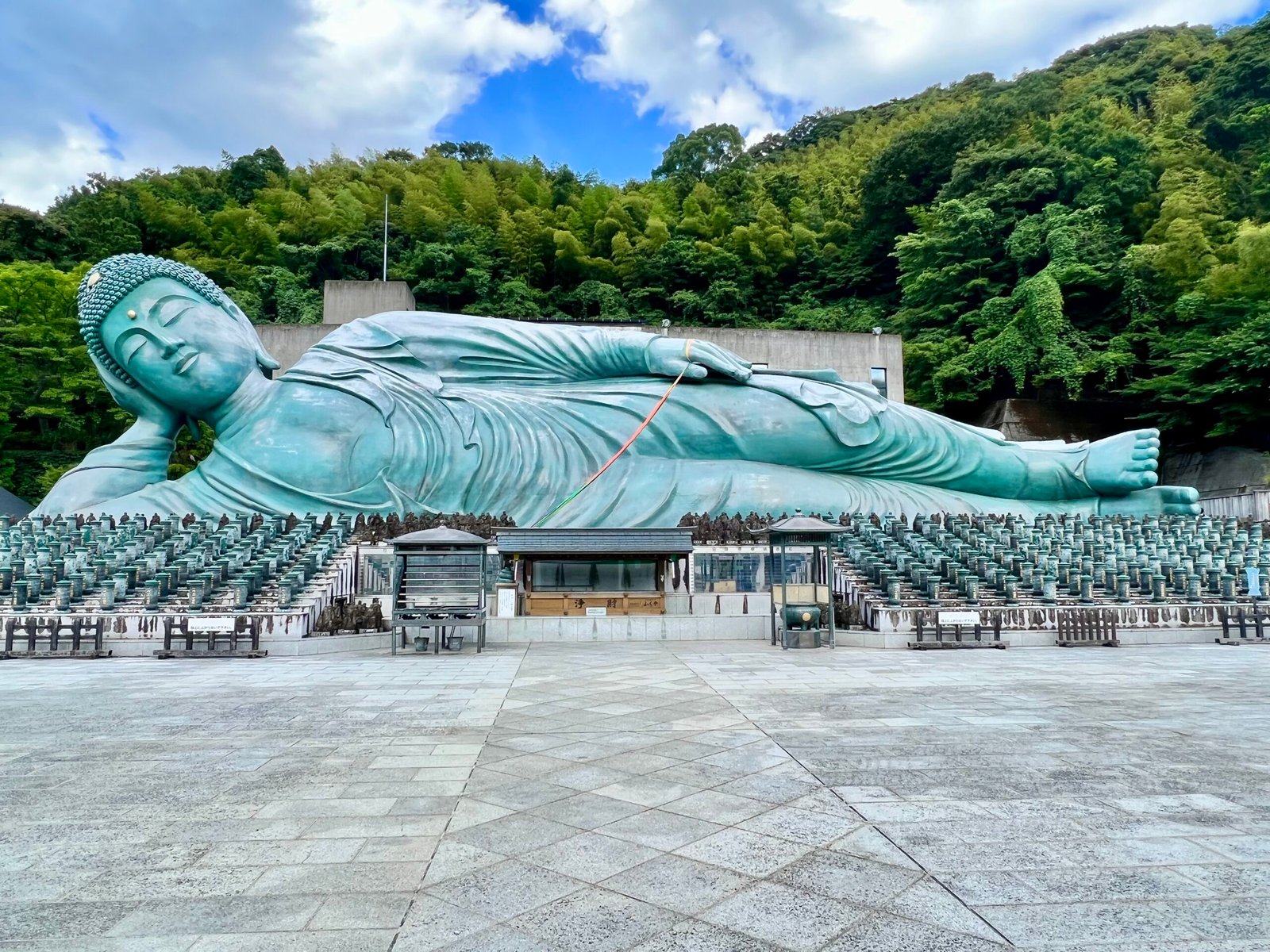
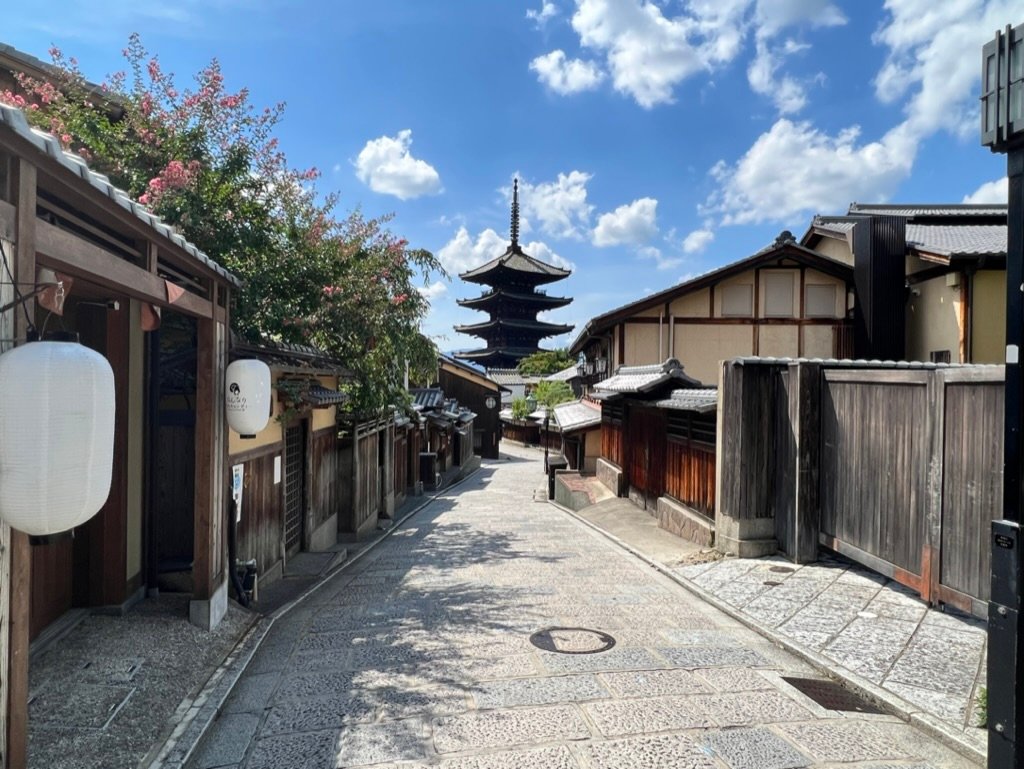

Shopping in Japan is a cultural experience all its own, polished, polite, and incredibly well organized. Whether you are strolling through the luxury streets of Ginza, digging for vintage finds in Harajuku, or wandering Osaka’s lively markets, Japan takes pride in how everything is presented. Even a small souvenir is wrapped with care and intention.
When I lived there, I quickly learned that shopping is not just about buying things, it is about the experience. Customer service, known as omotenashi, makes you feel genuinely valued. You will find yourself bowing and smiling as you leave stores without even realizing it.
Ginza
Luxury fashion and flagship designer stores, often compared to Fifth Avenue or the Champs-Élysées.
Shibuya and Harajuku
Streetwear, vintage boutiques, youth fashion, and pop culture trends.
Akihabara
Electronics, anime, manga, gaming goods, and collectible shops.
Asakusa Nakamise Street
Traditional souvenirs, folding fans, kimonos, snacks, and crafts near Senso-ji Temple.
Kyoto is known for traditional craftsmanship.
• Pottery and ceramics
• Green tea and tea accessories
• Handcrafted paper goods called washi
Nishiki Market is the best place for local snacks, pickles, sweets, and edible souvenirs.
Shinsaibashi Shopping Arcade
A covered shopping street with everything from Uniqlo to luxury brands.
Dotonbori
Souvenirs, regional snacks, and playful gift items like takoyaki themed merchandise.
Famous for regional specialties such as:
• Dairy products
• Lavender themed goods
• Shiroi Koibito cookies, one of Japan’s most famous local treats
Colorful markets featuring:
• Okinawan glassware
• Coral jewelry
• Beni-imo (purple sweet potato) sweets
💡 Sally’s Tip: Many stores offer tax-free shopping for tourists. Bring your passport and spend at least ¥5,000 in one shop to qualify.
🔗 Official source, Japan National Tourism Organization (Tax-Free Shopping):
https://www.japan.travel/en/plan/tax-free-shopping/
Japan is all about craftsmanship. Items feel intentional, thoughtful, and well made.
• Yukata or Kimono, lightweight cotton robes perfect for summer or lounging
• Sensu folding fans, practical and elegant
• Furoshiki, reusable cloth wraps for gifts or daily use
• Chopsticks, often lacquered or hand painted
• Ceramics, such as Kiyomizu-yaki, Arita porcelain, or Mashiko pottery
• Matcha and tea sets, authentic and beautifully packaged
• Maneki Neko, the lucky beckoning cat
• Tenugui towels, thin cotton cloths with traditional designs
• Regional snacks, Tokyo Banana, Kyoto Yatsuhashi, Hokkaido Royce chocolate
💡 Sally’s Tip: Packaging in Japan is an art form. Leave extra room in your luggage, you will need it.
Japan blends tradition and modern life seamlessly.
Uniqlo and GU
Affordable, practical Japanese fashion staples.
Don Quijote (Donki)
A chaotic but fun discount store selling snacks, cosmetics, electronics, souvenirs, and more. Many locations are open late or 24 hours.
Muji
Minimalist clothing, home goods, stationery, and travel items.
Loft and Tokyu Hands
Perfect for stationery lovers, gifts, and clever Japanese gadgets.
💡 Sally’s Tip: Don Quijote is perfect for last-minute shopping, especially late at night before a flight.
For handmade and regional items, explore local markets:
• Nishiki Market (Kyoto), known as Kyoto’s Kitchen
• Ameya-Yokocho (Ueno, Tokyo), busy and lively with street food and bargains
• Kuromon Market (Osaka), famous for seafood and Wagyu skewers
• Morning Markets in Takayama or Kanazawa, ideal for crafts and local goods
💡 Sally’s Tip: Pay with both hands and accept change the same way, it is a sign of respect.
Japan is increasingly card friendly, but cash is still important.
• Small shops and markets often require cash
• ATMs at 7-Eleven and Japan Post accept foreign cards
• Suica and Pasmo IC cards work in many shops and vending machines
• Major stores and department stores accept credit cards easily
💡 Sally’s Tip: Carry around ¥10,000 in cash for temples, markets, and small towns.
• Prices are fixed, do not haggle
• Do not grab bags or receipts directly from staff
• Expect polite greetings, “Irasshaimase!” means welcome
• Avoid eating while walking or opening purchases immediately
💡 Sally’s Tip: If asked “Betsu-bukuro desu ka?”, it means separate gift wrapping. Say yes, it is part of Japan’s elegant gift culture.
Japan has a word called monozukuri, meaning the art of making things with heart and pride. From handmade pottery to perfectly packaged snacks, that spirit lives in every souvenir you take home. 🎁🇯🇵
Japan is one of those rare places where every corner feels like a postcard. Ancient temples sit beside skyscrapers, neon-lit streets lead to peaceful shrines, and misty mountains whisper stories that stretch back centuries. Whether you are chasing cherry blossoms or wandering snow-covered villages, Japan offers something magical for every kind of traveler.
As I traveled across the islands, from Tokyo’s organized chaos to Kyoto’s quiet gardens, I realized Japan is not just a destination. It is an experience built on contrast, calm and fast, old and new, sacred and electric.
Japan’s capital feels like several cities rolled into one. Each neighborhood has its own personality.
🌆 Shibuya Crossing
Often cited as the busiest pedestrian crossing in the world, it is pure Tokyo energy and perfect for iconic photos.
⛩ Senso-ji Temple (Asakusa)
Tokyo’s oldest Buddhist temple, surrounded by incense smoke, fortune slips, and traditional shops along Nakamise Street.
🗼 Tokyo Skytree and Tokyo Tower
Two skyline icons offering panoramic views. Sunset is the best time if skies are clear.
👗 Harajuku and Takeshita Street
Bold fashion, colorful crepes, and youthful creativity everywhere you look.
🎮 Akihabara
The heart of anime, gaming, electronics, and otaku culture.
🍣 Tsukiji Outer Market
While the inner wholesale market moved to Toyosu, the outer market still serves some of Tokyo’s freshest seafood and sushi.
💡 Sally’s Tip: Grab a Suica or Pasmo IC card. It makes navigating Tokyo’s trains fast and stress free.
Kyoto invites you to slow down. As Japan’s former capital, it holds centuries of tradition, craftsmanship, and spiritual calm.
⛩ Fushimi Inari Shrine
Famous for its endless red torii gates winding through forested hills. Visit early morning or near sunset for fewer crowds.
🏯 Kinkaku-ji (Golden Pavilion)
A gold-leaf covered temple reflected perfectly in a serene pond.
👘 Gion District
Historic streets, teahouses, and geiko culture. Walk quietly and respectfully.
🎋 Arashiyama Bamboo Grove
A surreal green corridor that feels especially peaceful at sunrise.
🍱 Nishiki Market
Kyoto’s Kitchen, known for pickled vegetables, mochi, seafood, and matcha treats.
💡 Sally’s Tip: Many temples ask visitors to keep voices low. Silence is part of the experience here.
Osaka is loud in the best way. Friendly, casual, and food obsessed.
🌃 Dotonbori
Neon lights, canal views, street food, and the iconic Glico running man sign.
🏯 Osaka Castle
A historic samurai fortress surrounded by parks and cherry blossoms in spring.
🍢 Kuromon Market
Seafood, Wagyu skewers, snacks, and local specialties.
🕹 Shinsekai
Retro charm, old-school eateries, and a nostalgic atmosphere.
💡 Sally’s Tip: Osaka lives by kuidaore, meaning eat until you drop. Takoyaki and okonomiyaki are non-negotiable.
🗻 Mount Fuji (Fujisan)
Japan’s tallest mountain and a national symbol. Visible from Tokyo on clear days and climbable during the official summer season.
♨️ Hakone
Hot springs, art museums, Lake Ashi cruises, and scenic views of Fuji. The Hakone Ropeway offers unforgettable aerial scenery.
💡 Sally’s Tip: Book a ryokan with a private onsen. Soaking while Mount Fuji appears through the steam is unforgettable.
🕯 Hiroshima Peace Memorial Park
A powerful reminder of history, resilience, and hope, featuring the Atomic Bomb Dome and museum.
⛩ Miyajima Island
Home to Itsukushima Shrine and its famous floating torii gate, best viewed at high tide.
💡 Sally’s Tip: Try Hiroshima-style okonomiyaki. It is layered with noodles, cabbage, and sauce, unlike the Osaka version.
🏯 Todai-ji Temple
Home to the Great Buddha, one of the largest bronze Buddha statues in the world.
🦌 Nara Park
Free-roaming deer considered sacred. They often bow before receiving deer crackers.
💡 Sally’s Tip: Keep maps and snacks zipped. These deer are polite but very determined.
⛄ Sapporo Snow Festival (February)
Massive snow and ice sculptures fill the city.
🎿 Niseko
World-famous powder snow and cozy ski villages.
🌸 Furano and Biei
Lavender fields, rolling hills, and peaceful countryside in summer.
💡 Sally’s Tip: Hokkaido dairy is unmatched. The milk, cheese, and ice cream are next level.
Okinawa feels completely different from mainland Japan. Slower, warmer, and surrounded by turquoise water.
🏝 Naha City
Markets, street food, and Ryukyu culture.
🐢 Kerama Islands
Snorkeling with sea turtles and crystal-clear water.
🏖 Ishigaki and Miyako Islands
White sand beaches and pristine coral reefs.
💡 Sally’s Tip: The Okinawan diet is linked to longevity, fresh fish, vegetables, and seaweed play a big role.
✨ Kanazawa
Samurai districts, gold leaf crafts, and Kenrokuen Garden, one of Japan’s most beautiful gardens.
🏔 Takayama
Traditional wooden streets, morning markets, and alpine charm.
🎨 Naoshima
Japan’s Art Island, filled with modern art museums and outdoor installations.
⛩ Nikko
Mountain temples and the ornate Toshogu Shrine.
🙏 Koya-san
A sacred Buddhist mountain where you can stay in a monastery and join morning prayers.
💡 Sally’s Tip: Japan’s real magic often shows up where you least expect it, a quiet town, a hidden garden, or a moment of stillness.
In Tokyo, there is a skyscraper complex where a centuries-old Buddhist temple sits peacefully in the courtyard. It is one of the best examples of how Japan blends ancient tradition with modern life. 🏯🌸
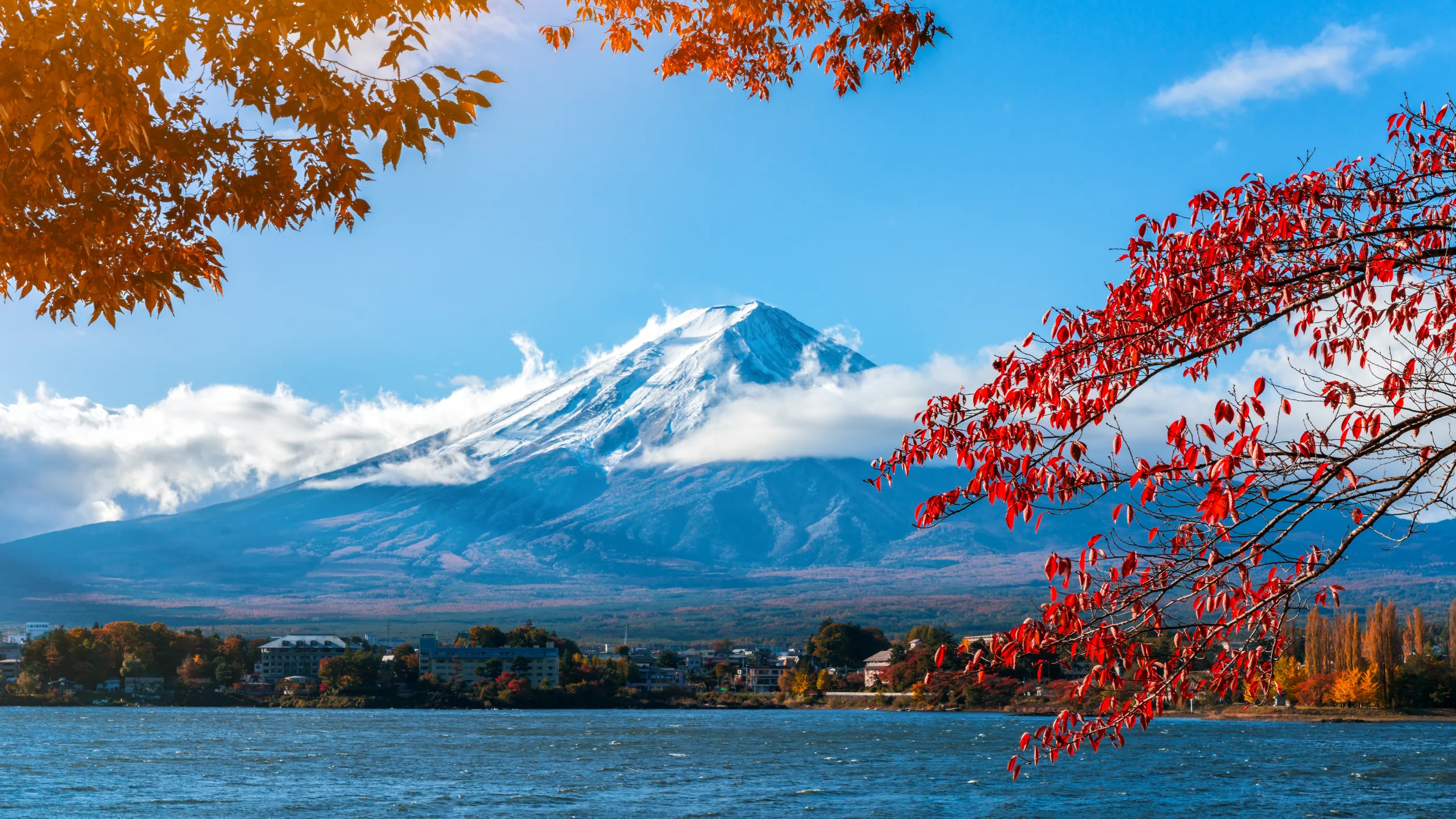
Japan’s culture is built on respect, harmony, and attention to detail. From the way tea is poured to how people bow, every gesture carries meaning. As a visitor, understanding these customs does more than help you blend in, it deepens your connection to the country. Japan does not just invite you to see it, it invites you to feel it.
When I lived there, I quickly learned that silence can speak louder than words, punctuality is a form of respect, and even the smallest action, like returning a coin tray with two hands, reflects gratitude.
At the heart of Japanese society is the concept of wa (和), meaning harmony. Daily interactions are shaped around keeping balance, peace, and consideration for others.
🙇 Bowing
Bowing is the universal gesture of respect. A slight bow is common in everyday situations, while deeper bows are used for formality or gratitude.
👟 Shoes Off
Remove your shoes when entering homes, ryokans, temples, and some restaurants. Slippers are usually provided, and there are often separate slippers just for restrooms.
🤫 Quiet in Public
Speaking loudly on trains or phone calls in public spaces is considered rude. Silence is a sign of respect, not awkwardness.
⏰ Punctuality
Being even a few minutes late can be seen as disrespectful. Trains, meetings, and reservations run on exact timing.
🎁 Gift Giving (Omiyage)
Bringing a small gift when visiting someone is customary. Snacks or regional treats are thoughtful and appreciated.
💡 Sally’s Tip: Always give and receive items, including money or cards, with both hands. It is a subtle but meaningful sign of politeness.
Japan balances advanced technology with deeply rooted traditions. These values show up everywhere.
🧘 Respect for Order
People follow rules for the good of the group, lining up quietly, standing on one side of escalators, and following traffic signals even when streets are empty.
🙏 Humility
Compliments are often met with modest responses. Open bragging is rare.
🧼 Cleanliness
Clean spaces reflect respect for others. Streets, trains, and public areas are kept spotless by shared responsibility.
🤝 Community Over Individuality
People are raised to think about how their actions affect others, which is why things run so smoothly.
💡 Sally’s Tip: When unsure what to do, observe quietly first. Blending in is one of the most respectful things you can do.
To truly experience Japan, step into its traditions.
🍵 Tea Ceremony (Sado)
A meditative ritual focused on mindfulness, balance, and gratitude.
🌸 Ikebana
Flower arranging based on harmony, space, and simplicity.
✍️ Calligraphy (Shodo)
Writing as a form of meditation using brush and ink.
👘 Kimono Experiences
Available in Kyoto and Tokyo, offering fittings and cultural insight.
🤼 Sumo Wrestling
Japan’s national sport, deeply tied to Shinto ritual and tradition.
♨️ Onsen Baths
Natural hot springs, often set in mountains or forests.
💡 Sally’s Tip: At onsens, wash thoroughly before entering the bath. Swimsuits are not allowed, and everyone bathes equally.
Japanese communication is often indirect and layered.
🗣 Politeness Levels
Different situations require different levels of formality.
• Arigatou, casual
• Arigatou gozaimasu, polite
• Domo arigatou gozaimasu, very polite
🌀 Indirect Communication
A soft maybe often means no. Direct confrontation is avoided.
🙂 Body Language
Smiles, nods, and pauses often signal understanding rather than agreement.
👉 Gestures
Point with an open hand, not a finger. Avoid touching strangers, personal space matters.
💡 Sally’s Tip: Effort matters more than accuracy. Locals deeply appreciate even a few basic Japanese phrases.
| English | Japanese | Pronunciation |
|---|---|---|
| Hello | こんにちは | Konnichiwa |
| Thank you | ありがとう | Arigatou |
| Excuse me / Sorry | すみません | Sumimasen |
| Yes | はい | Hai |
| No | いいえ | Iie |
| Please | お願いします | Onegaishimasu |
| Goodbye | さようなら | Sayounara |
| Where is the station? | 駅はどこですか? | Eki wa doko desu ka |
| How much is this? | これはいくらですか? | Kore wa ikura desu ka |
💡 Sally’s Tip: Google Translate’s camera function is incredibly helpful for menus, signs, and packaging.
Japan celebrates seasons like poetry.
🌸 Spring
Hanami, cherry blossom viewing under blooming trees.
🎆 Summer
Matsuri festivals with lanterns, fireworks, and food stalls.
🍁 Autumn
Momiji-gari, red leaf viewing in places like Kyoto and Nikko.
❄️ Winter
Snow festivals in Sapporo and winter illuminations nationwide.
💡 Sally’s Tip: Many festivals are tied to shrines or temples. Dress modestly and observe respectfully.
Mindfulness is woven into daily life.
🍱 Itadakimasu
Said before eating, expressing gratitude for the meal and those involved.
🙏 Gochisousama deshita
Said after eating, thanking the cook.
💼 Otsukaresama
Used among coworkers to acknowledge effort and fatigue.
💡 Sally’s Tip: It is not about being perfect. Presence, effort, and respect matter most.
Many Japanese train stations play gentle melodies instead of loud alarms when trains arrive. It is designed to reduce stress and keep daily life calm, even during rush hour. 🎶🚆