My Experience in Tanzania


Egypt is near and dear to my heart because I lived there for two years, right along the Mediterranean coast in Alexandria. Life there felt completely different from anywhere I have lived before, for several reasons. Compared to Cairo, Alexandria has a calmer, more laid-back vibe, with sea breezes, coastal cafés and restaurants, and a slower rhythm of daily life yet still at 2 am the streets look like it is 8pm.

Cairo, which is 3 hours away by driving, is energetic, busy, and always moving, with a metropolitan population of over 20 million people, it’s one of the largest cities in Africa and the Middle East, and you feel that intensity the moment you arrive. It’s loud, a bit chaotic for the average Westerner, fascinating, but yet full of life. Experiencing both cities gave me a balance I truly loved, peace by the sea in Alexandria and nonstop energy in Cairo.

Living in Egypt allowed me to travel throughout the country, experience everyday Egyptian life beyond the tourist lens, and even learn enough Arabic to get around comfortably, it also helped that locals thought I was Egyptian due to my skin color. From navigating local markets to chatting with locals, shop owners, and my friend at the Vodafone store, those small daily interactions made the experience feel real and deeply personal.

Egypt is very different from Western Countries, but that’s exactly what makes traveling there so powerful. It pushes you outside your comfort zone, challenges your perspective, and invites you to fully immerse yourself in a new culture. 

                                          🇹🇿 Brief History of Tanzania

As I am sure you know Egypt’s story is one of the oldest and most fascinating on Earth. It is the land where civilization began and history still whispers through every stone.

The ancient Egyptians built one of the world’s earliest and most powerful civilizations along the Nile River, which gave life to their farms, cities, and culture. Around 3100 B.C., King Narmer (also known as Menes) united Upper Egypt (the south) and Lower Egypt (the north) into a single kingdom. The names may sound backward at first, but they make sense when you remember that the Nile flows from south to north. Upper Egypt refers to the higher southern lands, while Lower Egypt is the northern delta near the Mediterranean Sea.

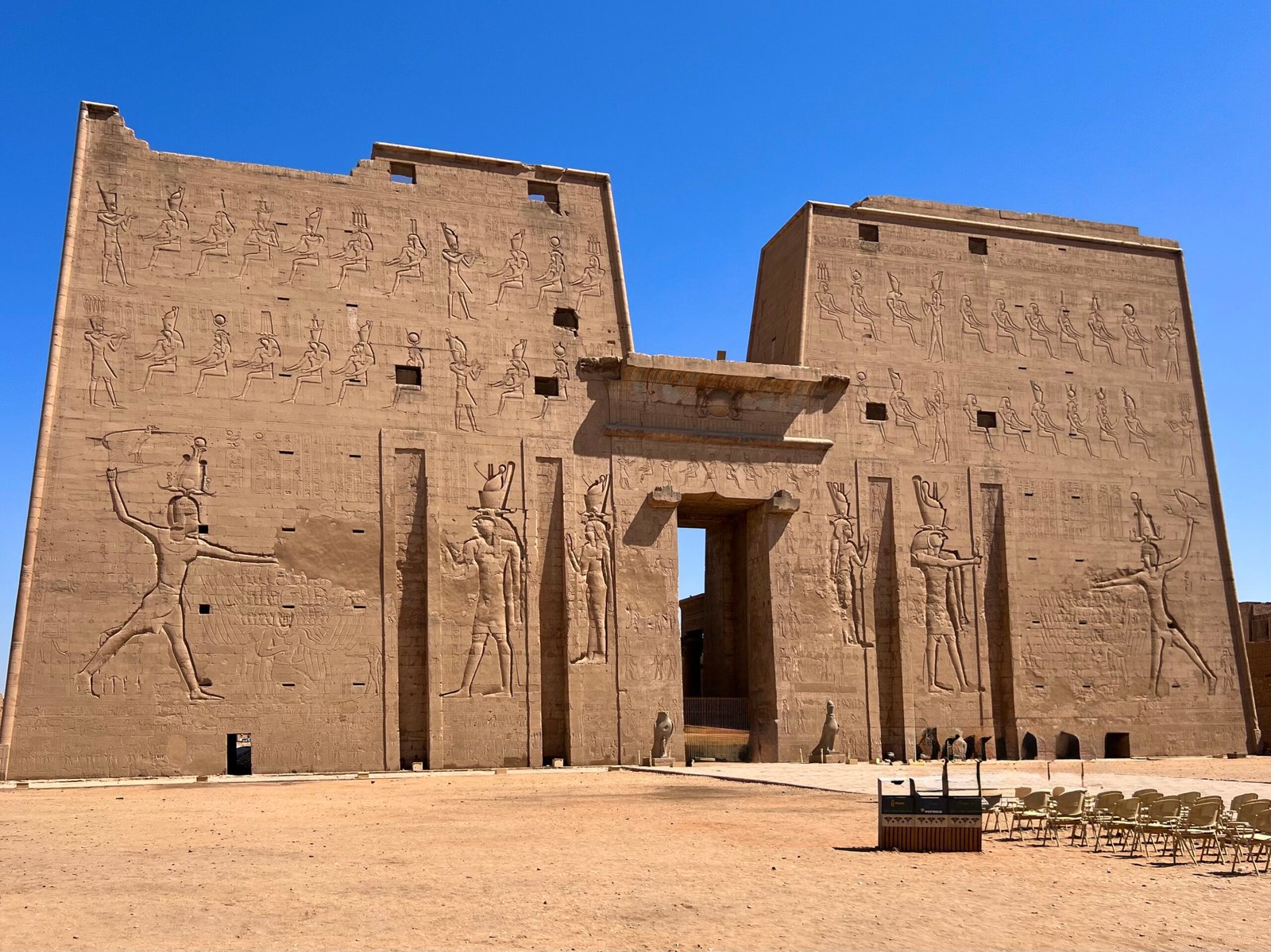
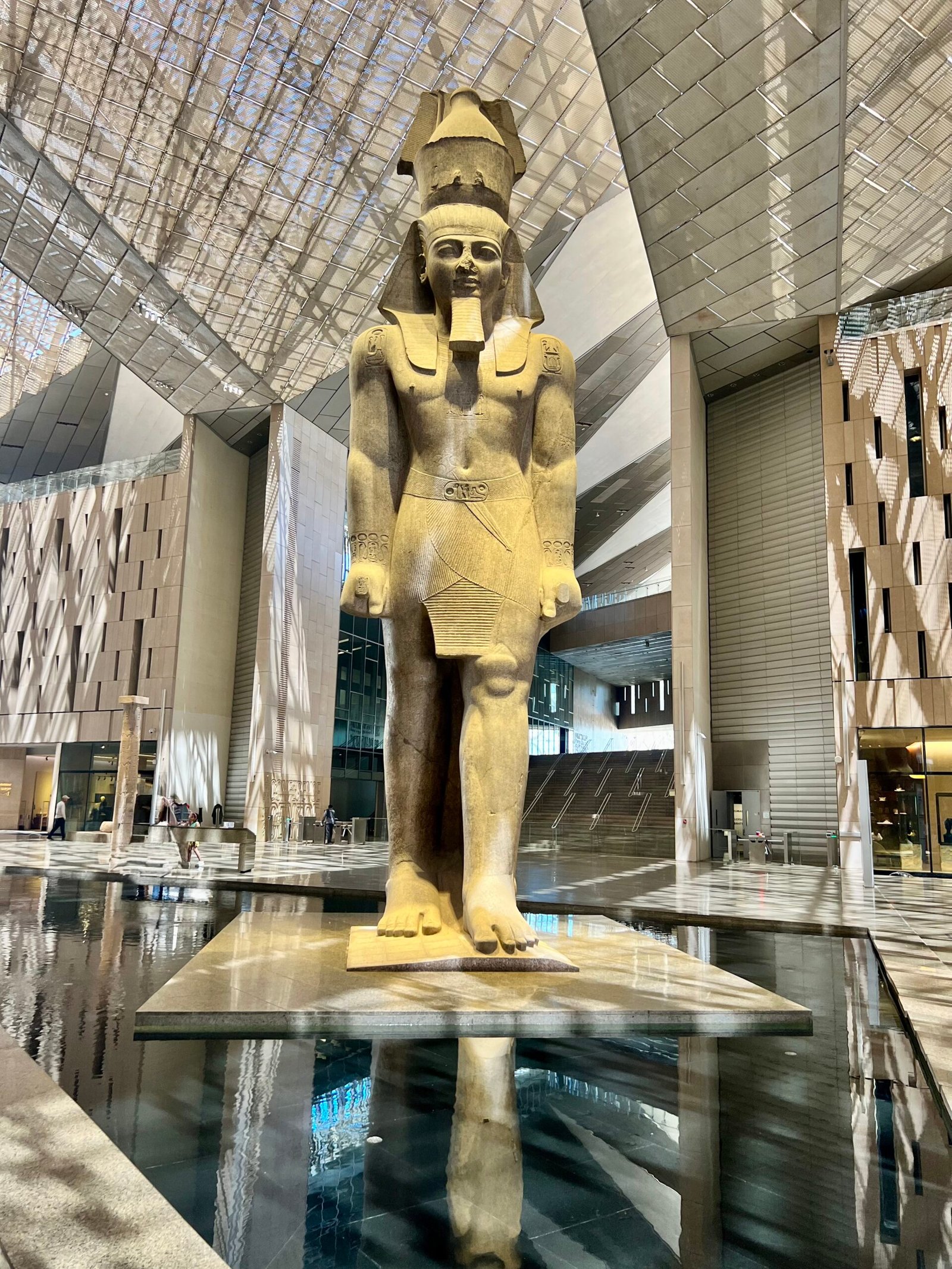
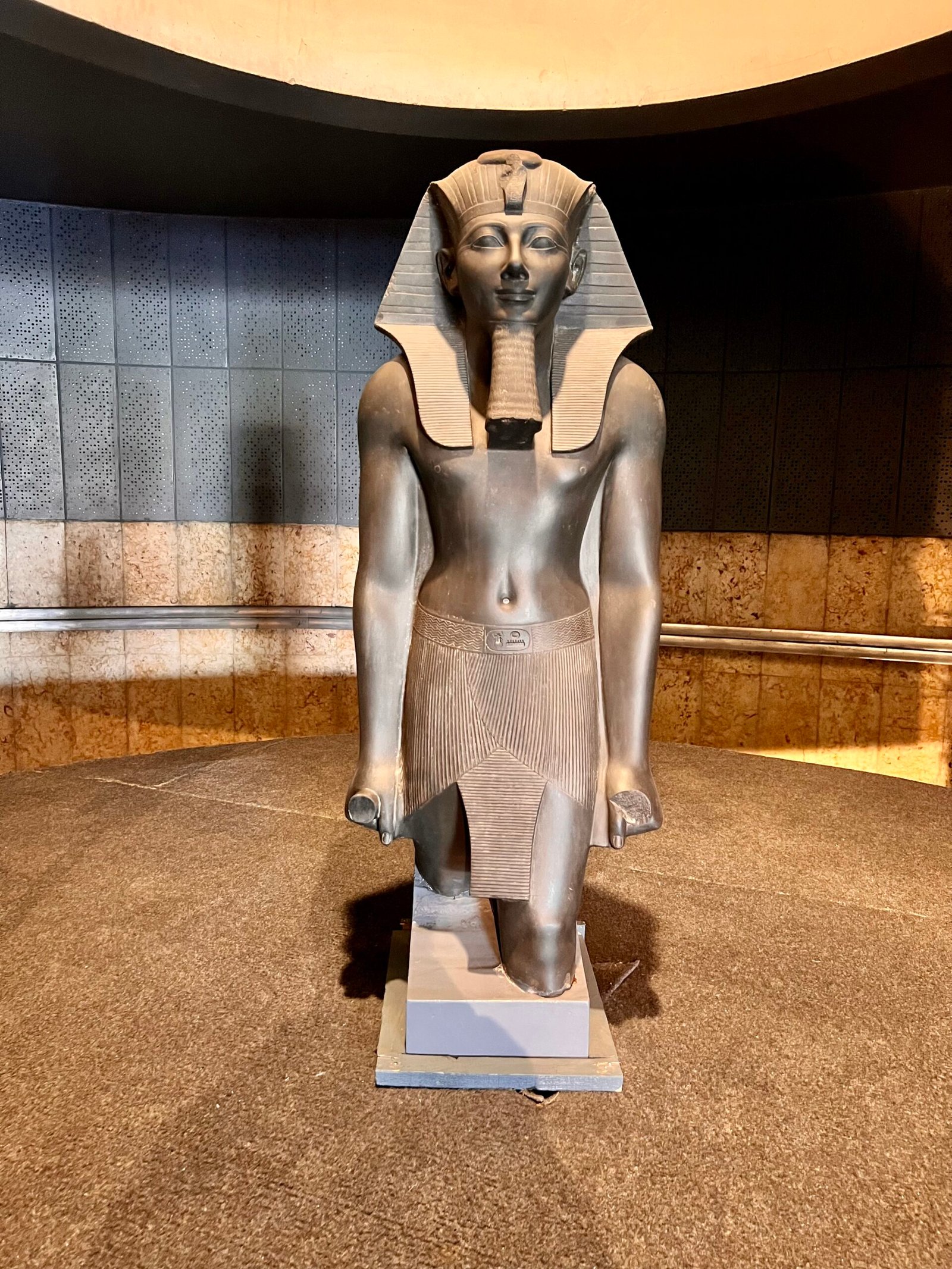
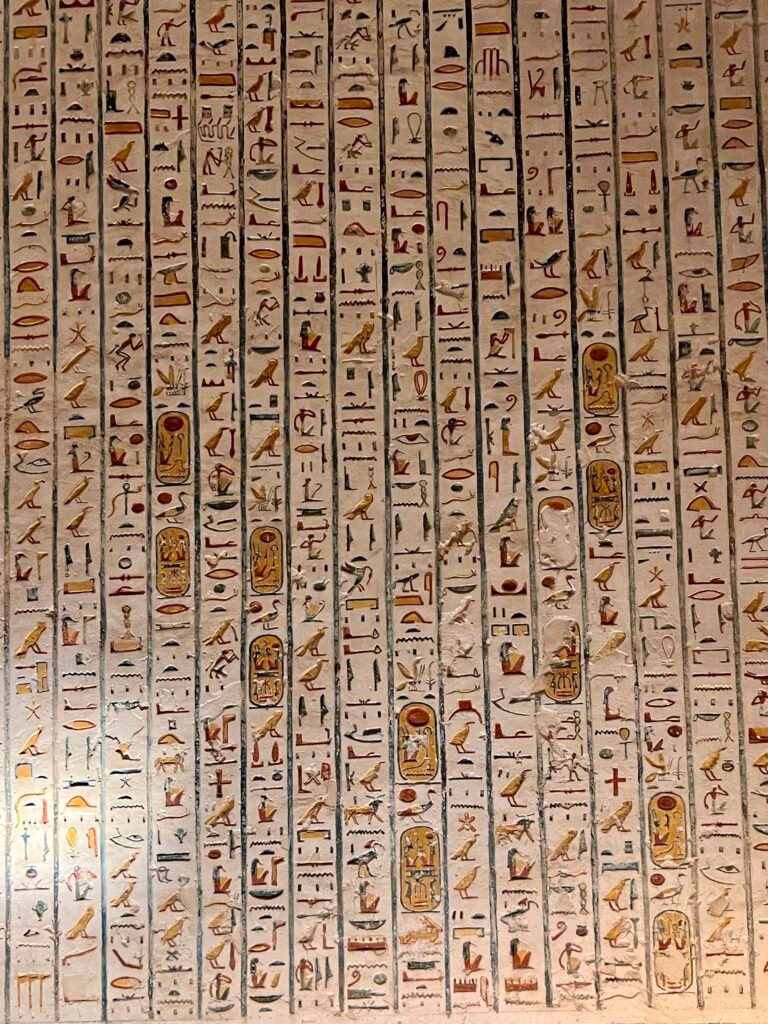
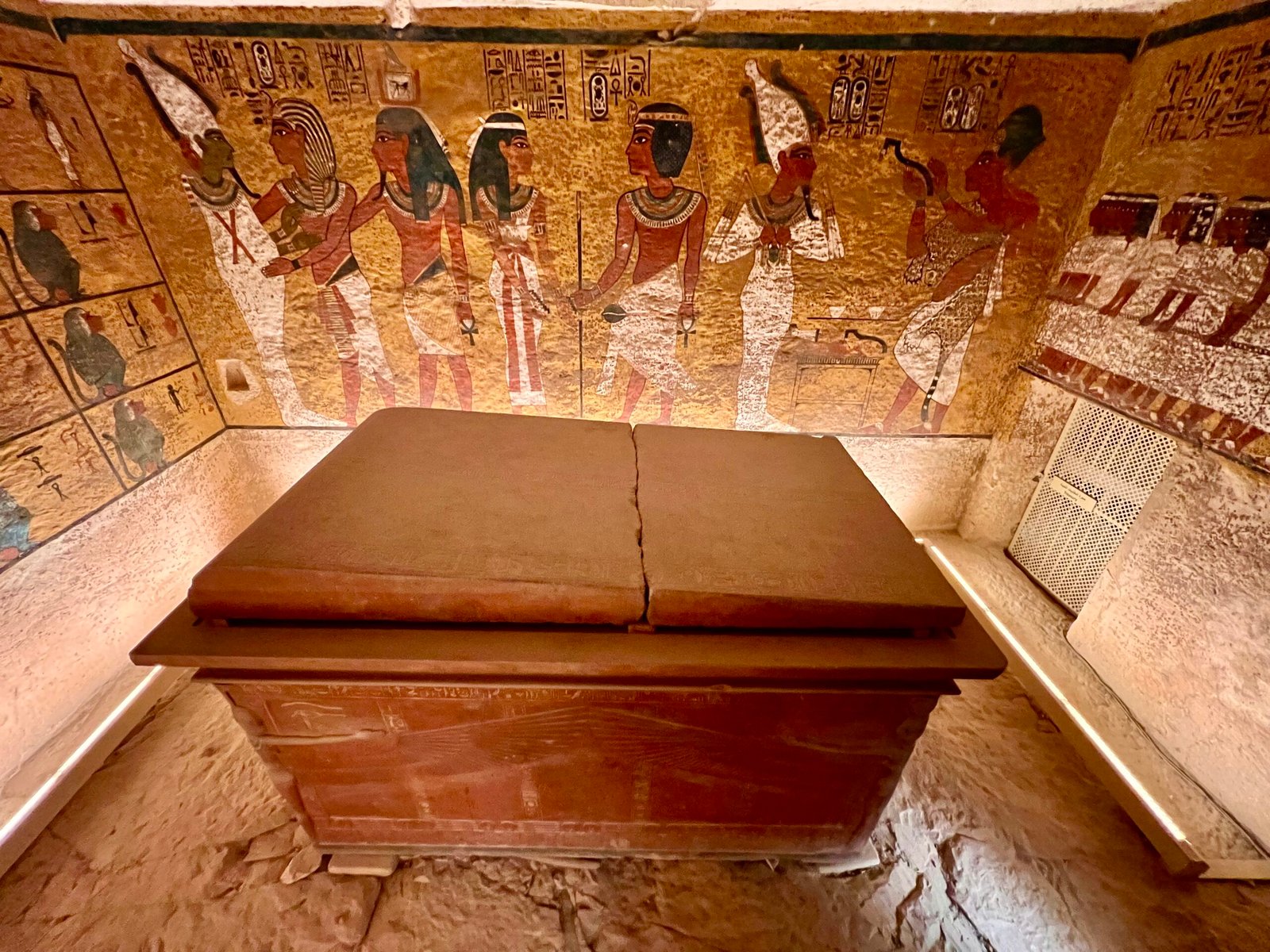
This unification marked the beginning of the Pharaonic era, a time of powerful dynasties that gave the world iconic symbols like the pyramids, hieroglyphs, monumental temples, and elaborate tombs, many of which still stand today, especially in places like Luxor. Over thousands of years, Egypt became a center of art, science, engineering, and spirituality, with its influence reaching far beyond Africa.

In 1799, a French soldier accidentally discovered the Rosetta Stone near the town of Rosetta (Rashid) in the Nile Delta. The stone contained the same text written in hieroglyphic, Demotic, and ancient Greek, and it became the key that finally unlocked the language of the pharaohs, allowing the world to understand ancient Egyptian writing for the first time. I had the opportunity to visit that site.

Egypt’s story didn’t stop there. New rulers and new eras followed—the Greeks under Alexander the Great, who founded Alexandria in 331 B.C., then the Romans, Byzantines, Arabs, and Ottomans. Each left their own cultural, architectural, and religious imprint, shaping Egypt into the layered and complex country it is today.

In 1952, Egypt gained full independence and became a republic under President Gamal Abdel Nasser, ushering in a modern era defined by national pride, political change, and modernization.

Today, Egypt stands as a living bridge between ancient legacy and modern life. Thousand-year-old temples rise beside bustling city cafés, and the Nile continues to flow as it always has—quietly connecting the past with the present.



 

🧳 Entry & Travel Preparation

🛂 Visa Requirements ✅ VERIFIED (with correction)

Yes, you need a visa to enter Tanzania. The process is generally straightforward.

You have two main options:

  • Apply for an e-Visa online before you travel
    (This works well for many travelers, though the system can be slow or glitchy at times.)

  • Get a visa on arrival at the airport
    This is still very common and widely used by travelers.

Your passport must:

  • Be valid for at least six months beyond your arrival date

  • Have at least one blank page

⚠️ IMPORTANT CORRECTION (for U.S. passport holders)

  • U.S. citizens pay $100 USD, not $50

  • The $50 USD visa fee applies to many other nationalities

  • Payment is usually accepted in U.S. dollars

  • Lines can move slowly depending on arrival times

💡 Pro tip:
If you’re getting a visa on arrival, bring crisp U.S. dollar bills with no tears, writing, or markings. They are very particular about bill condition.

🌐 Official site: https://visa.immigration.go.tz/


💉 Vaccinations ✅ VERIFIED

  • No vaccinations are required if you are arriving directly from the United States or most of Europe

That said, it’s always smart to make sure routine vaccinations are up to date, especially if you plan to:

  • Visit rural areas

  • Go on safari

  • Eat a lot of local food (which you probably will)

Important note:
If you are arriving from a country where Yellow Fever is present, immigration officials may ask for proof of vaccination.
This does not apply to travelers coming directly from the U.S. or most of Europe, but it does apply if Tanzania is not your first stop.


🛡️ Travel Insurance (Don’t Skip This) ✅ VERIFIED

Highly recommended, especially for Tanzania.

Between long travel days, domestic flights, safari activities, and remote areas, travel insurance offers real peace of mind.

At a minimum, your policy should cover:

  • Medical emergencies

  • Emergency evacuation

  • Trip delays or cancellations

This is especially important for safari travel, where medical facilities may be far away.


📱 SIM Cards & Internet Access ✅ VERIFIED

Getting connected in Tanzania is easy and affordable.

You can buy a local SIM card:

  • At the airport

  • At mobile shops throughout cities and towns

Main providers:

  • Vodacom

  • Airtel

  • Tigo

You’ll need your passport to purchase and register a SIM.

  • Data is reasonably priced

  • Coverage is good in cities and towns

  • Safari areas may have limited or no service (normal and expected)


🔌 Electric Plug Type & Voltage ✅ VERIFIED

  • Plug types: Type D and Type G

  • Voltage: 230V

If you’re coming from the U.S.:

  • You’ll need a plug adapter

  • You’ll need a voltage converter for high-powered devices (hair dryers, straighteners)

Phones, laptops, and cameras usually work fine with just an adapter.


⏰ Time Zone Difference ✅ VERIFIED

  • Tanzania operates on GMT+3

  • No daylight saving time

If you’re traveling from the U.S., expect noticeable jet lag, especially after long-haul flights.

Early mornings are common, particularly for safaris. Hydrate well, rest when you can, and ease into the pace. Tanzania runs on nature’s schedule, not the clock.

💱 Currency & Tipping

💱 Currency in Tanzania: Tanzanian Shilling (TZS)

The Tanzanian Shilling (TZS) is the local currency, and cash is absolutely king here, especially outside major hotels and resorts. Local markets, taxis, small shops, and roadside restaurants are almost entirely cash-based.

Larger hotels, safari lodges, and tour companies often accept credit cards, and U.S. dollars are commonly used for safaris and high-end accommodations. That said, for everyday spending, you’ll want Tanzanian shillings on hand, preferably in smaller bills.


🏧 ATMs & Cash Access

ATMs are available in major cities like Dar es Salaam, Arusha, and Stone Town in Zanzibar, but there are a few important things to know:

  • ATMs can run out of cash, especially before weekends or holidays

  • Some machines may not work or may reject foreign cards

  • Daily withdrawal limits are often low, so you may need multiple transactions

  • It’s best to withdraw cash in larger cities before heading to safari areas or smaller towns

Once you’re in more remote regions, ATMs may be nonexistent.


💳 Important Card Payment Tip

When paying by credit card, always ask if there is an additional card processing fee. Some hotels and tour operators add a percentage on top of the total.

👉 If given the option, always choose to pay in Tanzanian Shillings (TZS) rather than your home currency. This helps avoid inflated conversion rates and hidden fees.


Tipping in Tanzania

Tipping is customary in Tanzania, especially within the tourism industry. While it’s not as constant as in some countries, it is very much expected for good service. Guides, drivers, and lodge staff often rely on tips as part of their income.

Small tips are appreciated and genuinely make a difference.


Quick Tipping Guide

🧳 Porters

  • 1–2 USD per bag (or the equivalent in shillings)

🍽️ Restaurants

  • 5–10% if a service charge is not already included

  • Always check your receipt first

🚗 Safari Drivers & Guides

  • 10–20 USD per person, per day, depending on service and trip length

🏨 Hotel Staff

  • 1–2 USD for housekeeping or helpful service

Carrying small bills in both U.S. dollars and Tanzanian shillings makes tipping easy and stress-free, especially when moving between cities, lodges, and national parks.

💡 Sunny’s Tip: Exchange a little cash at the airport when you arrive, and keep a mix of 5s, 10s, and 20s handy for tips and small purchases.

Weather & Clothing Tips

☀️ Weather

Tanzania’s weather ranges from warm to hot, depending on the time of year and where you are headed. Coastal areas, safari regions, and highland areas all experience different conditions, but sunshine is common year-round and outdoor life plays a big role here.


🌤️ Seasonal Weather

Dry Season (June–October)

Comfortable, dry, and one of the best times to visit Tanzania, especially for safaris.

  • Serengeti & Northern Parks:
    Warm days with cooler mornings and evenings, ideal for wildlife viewing
  • Arusha & Highlands:
    Mild during the day, cooler at night
  • Zanzibar & Coastal Areas:
    Warm and sunny with lower humidity

This is peak season for a reason, excellent safari conditions without heavy rain or extreme heat.


Short Rains (November–December)

Temperatures remain warm, with short rain showers usually in the afternoon or evening. Rain is not constant and rarely disrupts travel. Landscapes become greener, and crowds are lighter than during peak season.


Hot Season (January–February)

Hotter, especially along the coast and in Zanzibar.

Daytime temperatures range from 30–35°C (86–95°F), with higher humidity near the ocean. Safaris are still very doable, but midday heat can be intense.


Long Rains (March–May)

Warm but wet.

This is the rainiest time of year, and heavy rainfall can affect road conditions and safari access. Some lodges close temporarily. While not ideal for first-time visitors, the scenery is lush and crowds are minimal.


🏙️ Regional Weather Differences

Safari Regions (Serengeti, Ngorongoro, Tarangire)

Warm during the day, but early mornings and evenings can be surprisingly cool. Layers are essential for sunrise game drives.

Zanzibar & Coastal Areas

Hot and humid most of the year, with cooling sea breezes. Humidity is highest from December through March.

Northern Highlands (Arusha, Ngorongoro)

Cooler than most of the country, especially at higher elevations. A light jacket is often needed in the evenings.


👕 What to Wear & Pack

Light, breathable clothing is your best friend. Think cotton, linen, and loose-fitting styles. Comfort matters, but modesty is appreciated, especially outside resorts and tourist areas.


☀️ Daytime

Light pants or skirts

T-shirts or breathable tops

Neutral colors for safaris


🌇 Evenings

A light sweater or jacket

Early mornings and evenings can feel cool, especially on safari


🧢 Essentials (Non-Negotiable)

Hat

Sunglasses

Sunscreen

Insect repellent


🙏 Cultural Dress Considerations

You do not need to dress conservatively everywhere, but dressing respectfully goes a long way.

Cover shoulders and knees when visiting towns, villages, or local areas

Zanzibar is more conservative outside resort zones

Men should avoid sleeveless shirts in public spaces

Resorts and beach areas are more relaxed, but modest dress is still appreciated off-property

Egypt’s sun hits differently — even in “cool” months. Drink plenty of water, wear breathable layers, and keep a scarf handy for both modesty and dust protection.

Airports & Transportation

Major Gateways & Airports

Tanzania is well connected, especially for travelers coming for safaris, beaches, or a mix of both. Major international gateways like Dar es Salaam, Kilimanjaro, and Zanzibar connect travelers from around the world and serve as key entry points depending on where your trip begins.

Getting around Tanzania often involves a combination of domestic flights and road travel. Because distances can be long and roads can be slow, flying between regions is common, especially when moving between safari areas and the coast. Within cities, taxis and private drivers are widely used, and in some areas, ride-hailing apps are available.

If you’re taking a local taxi, always agree on the fare before getting in. It’s standard practice and avoids confusion later.

And for a truly Tanzanian experience? A small plane flight over the Serengeti or a traditional dhow sail along the Zanzibar coast. Both offer unforgettable views and a slower, more connected way to experience the landscape ✈️⛵


🛫 Major Airports

These are the key airports most travelers will encounter:

  • Julius Nyerere International Airport (DAR)
    Tanzania’s main international airport and primary gateway to the country.
  • Kilimanjaro International Airport (JRO)
    Serving northern Tanzania and popular for safari travelers heading to the Serengeti, Ngorongoro, and Arusha.
  • Abeid Amani Karume International Airport (ZNZ)
    The main airport for Zanzibar and coastal travel.
  • Arusha Airport (ARK)
    Used mainly for regional flights and safari connections.

📏 Key Travel Distances

Knowing approximate distances helps with planning, especially when deciding between flying and driving.

Julius Nyerere International AirportKilimanjaro International Airport
About 480 km (298 miles) straight-line
Roughly 560 km by road, taking 8–10 hours by car

Kilimanjaro International AirportSerengeti National Park
Approximately 325 km by road
Travel time varies widely depending on route and park entry, often 6–8 hours

Abeid Amani Karume International Airport → Stone Town
Approximately 7–8 km
Around 15–20 minutes by car, depending on traffic
Accommodations

🏨 Where to Stay

Tanzania truly has a stay for every type of traveler. From luxury safari lodges overlooking wildlife-filled plains to relaxed beachfront resorts in Zanzibar and cozy guesthouses in Arusha, comfort exists at every level and budget.

Safari travelers can choose between tented camps and lodges that put you right in the middle of nature, while beach lovers will feel right at home along Zanzibar’s coastline. No matter where you stay, Tanzanian hospitality is genuine and welcoming, and service often feels personal rather than polished-for-show.


🏙️ Arusha vs. Serengeti Lodges: Know the Difference Before You Book

Where you stay in Tanzania depends heavily on your travel style and what kind of experience you want to wake up to each day.

Staying in Arusha

Arusha is the main gateway to northern Tanzania and the starting point for most safaris.

It’s a great option if you want:

  • Easy access to safari operators

  • Restaurants, cafes, and shops

  • A comfortable base before or after a safari

Expect:

  • City energy mixed with mountain views

  • Convenient hotels and lodges at a range of prices

  • Short drives to nearby national parks

Arusha is practical, comfortable, and a great staging point.


Staying in the Serengeti or Safari Lodges

If waking up to wildlife sounds like your dream, staying inside or near a national park is the experience.

Expect:

  • Incredible scenery right outside your tent or lodge

  • Early morning game drives just minutes away

  • Quiet nights filled with nature sounds

Also expect:

  • Limited phone service or Wi-Fi

  • No nightlife or shopping

  • Higher prices due to remote locations

It’s immersive, unforgettable, and very different from city stays.


🌅 Other Great Places to Stay Around Tanzania

Zanzibar
Beachfront resorts, boutique hotels, and historic stays in Stone Town, perfect for relaxation after safari days.

Ngorongoro Highlands
Cooler temperatures, dramatic crater views, and lodges perched along the rim.

Tarangire Area
Lodges surrounded by baobab trees and elephant herds, quieter than the Serengeti.

Lake Manyara
Eco-lodges near the forest and lake, ideal for birdlife and peaceful scenery.

Each region offers a completely different experience, which is part of what makes traveling through Tanzania so special.


Local Food & Drinks

🥘 Must-Try Dishes

Ugali

A staple across Tanzania and much of East Africa. Ugali is a dense cornmeal dish served with vegetables, meat, or fish. It’s eaten with your hands and used to scoop up sauces and stews. Simple, filling, and very local.

Nyama Choma

Grilled meat, usually beef, goat, or chicken, seasoned lightly and cooked over an open flame. This is social food, often enjoyed with friends, cold drinks, and conversation. You’ll find it everywhere from roadside grills to local restaurants.

Pilau Rice

Spiced rice cooked with cloves, cinnamon, and cardamom, often served with meat. Especially popular during celebrations and on the coast, this dish shows the influence of Arab and Indian flavors.

Chapati

A soft, pan-fried flatbread that’s crispy on the outside and chewy inside. It’s eaten with stews, vegetables, or even on its own as a snack. Once you start, it’s hard to stop.

Samaki wa Kupaka

A coastal favorite, especially in Zanzibar. Grilled fish smothered in a creamy coconut sauce with spices and lime. Fresh, rich, and unforgettable.


🍰 Sweet Treats to End the Meal

Mandazi

Lightly sweet fried dough, similar to a doughnut but less sugary. Often eaten for breakfast or with tea.

Halua

A dense, sweet dessert made with sugar, ghee, and spices, commonly found in Zanzibar and coastal areas.


🍹 What to Drink

Chai (Spiced Tea)

Strong black tea often brewed with spices and milk. Sweet, comforting, and served throughout the day.

Fresh Fruit Juices

Mango, passion fruit, pineapple, watermelon, and avocado juices are widely available and incredibly fresh.

Coconut Water

Especially popular along the coast and in Zanzibar. Refreshing and straight from the shell.

Local Beer

Brands like Safari, Kilimanjaro, and Serengeti are commonly enjoyed, especially with grilled meat.


⚠️ Food & Water Safety Tips

Tanzanian food is delicious, but a little caution helps keep your trip comfortable:

  • Stick to bottled water for drinking and brushing teeth

  • Avoid ice unless you’re sure it’s made from filtered water

  • Eat at busy local spots where food is cooked fresh

  • Wash or peel fruits yourself when possible

If you do get an upset stomach, pharmacies are easy to find and sell effective medications without a prescription.
(Check your Health & Safety section for what to ask for.)


Health, Safety & Emergencies

🛡️ Safety, Health & Practical Tips

Stay hydrated—Tanzania’s sun and heat can sneak up on you, especially on safari or along the coast ☀️ Always carry bottled water, hand sanitizer, and a small pack of napkins or tissues. Public restrooms don’t always have toilet paper or soap, so being prepared makes travel much easier.

I also like to keep a small wash rag or travel towel in my day bag. It’s perfect for drying hands, wiping away dust after game drives, or freshening up after a long, hot day.


🚶‍♀️ General Safety

Tanzania is generally safe for travelers, especially in tourist-focused areas like Arusha, Zanzibar, Dar es Salaam, and national park regions. People are friendly, welcoming, and used to visitors, particularly those coming for safaris and beach holidays.

That said, common sense goes a long way:

  • Keep your bag zipped and close in busy areas

  • Stay aware of your surroundings

  • Be cautious with overly friendly strangers offering unsolicited help

Petty crime is usually opportunistic rather than aggressive. You’re far more likely to encounter overcharging or inflated “tourist prices” than anything serious 😉
Smile, negotiate politely when appropriate, and walk away if something feels off.


🚨 Emergency Numbers

(For phones using a Tanzanian SIM card)

Save these as soon as you arrive:

  • Police: ☎️ 112

  • Ambulance: 🚑 115

  • Fire Department: 🔥 114

💡 Sunny’s Tip:
“Save these numbers offline—signal isn’t guaranteed everywhere, especially on safari.”


🏥 Hospitals & Medical Care

Tanzania has both public and private medical facilities. Private hospitals and clinics are generally cleaner, faster, and more likely to have English-speaking staff.

If you have travel insurance:

  • Many private hospitals will assist with documentation for reimbursement

Without insurance, expect:

  • $40–100 USD for a doctor visit

  • Higher costs for tests, treatments, or overnight care

  • Payment often required before treatment

Tourist-Friendly Medical Facilities

  • Aga Khan Hospital (Dar es Salaam) – One of the best-equipped private hospitals

  • Regency Medical Centre (Dar es Salaam) – Popular with expats and travelers

  • Arusha Lutheran Medical Centre – Reliable care near safari hubs

  • Mnazi Mmoja Hospital (Zanzibar) – Main hospital on the island, best for emergencies

💬 Helpful Tip:
If you’re unsure where to go, ask your hotel, lodge, or safari guide. They know which clinics are best and how to get you there quickly.


💊 Pharmacies & Medications

Pharmacies are easy to find in cities and larger towns. Many medications are available without a prescription, including:

  • Motion-sickness medication

  • Stomach remedies

  • Cold and allergy medicine

  • Basic pain relief

If you experience traveler’s diarrhea, pharmacists are familiar with what works locally and can point you in the right direction.


⚠️ Smart Safety Reminders

  • Stick to tourist-friendly areas and well-traveled routes

  • Avoid political gatherings or protests

  • Use caution when crossing streets—traffic rules can be flexible 🚦

  • Use hotel-arranged drivers or trusted taxis when possible

  • Wear sunscreen and drink water consistently

  • Carry copies of your passport and visa; keep originals secured

💬 Sunny’s Tip:
“Tanzania moves at a relaxed pace. Stay patient, stay aware, and enjoy the journey.”


🎒 Travel Essentials to Keep in Your Bag

(Sunny-approved for Tanzania adventures!)

🧴 Hand sanitizer – Markets, rest stops, game drives
🧻 Tissues or napkins – Many restrooms don’t provide toilet paper
🧼 Small wash rag or travel towel – Dust, sweat, and quick cleanups
🧦 Extra socks – Helpful for long days or unexpected rain
😷 Face mask – Useful for dusty roads or crowded areas
🚰 Bottled water – Hydration is essential
🧴 Wet wipes or mini soap – Some bathrooms lack soap
🕶️ Sunglasses & sunscreen – Strong sun year-round
💊 Basic meds – Motion sickness, stomach relief, allergies
📄 Passport & visa copies – Originals stay secured
📱 Local SIM or eSIM – Maps, translation, emergencies
💵 Small bills – Tips and local purchases go smoothly

Shopping & Local Treasures

🛍️ Shopping: Souvenirs, Markets & Local Treasures

Tanzania is a dream for travelers who love meaningful souvenirs with a story behind them. From colorful Maasai beadwork to hand-carved wooden art and spice-filled stalls in Zanzibar, shopping here is deeply tied to culture, tradition, and community.

Markets are lively and social, and shopping is rarely rushed. Take your time, ask questions, and enjoy the human connection behind each item. Many pieces are handmade, and knowing who made them often matters just as much as what you buy.


📿 Authentic Handicrafts (What to Know)

Many of Tanzania’s most popular souvenirs are handcrafted, but quality can vary. If authenticity matters to you, buy from artisan markets, cooperatives, or shops recommended by your hotel or guide.

Authentic handmade items usually:

  • Show slight variations rather than perfect uniformity

  • Take time to explain the meaning or process behind the piece

  • Are made from natural materials like wood, beads, leather, or fabric

Mass-produced souvenirs do exist, especially in very tourist-heavy areas, so asking questions is always a good idea.


🌿 What to Buy (and Where)

Maasai Beadwork – Arusha & Northern Tanzania
Necklaces, bracelets, and earrings made by Maasai artisans. Each color has symbolic meaning tied to culture and tradition.

Tingatinga Paintings – Dar es Salaam & Zanzibar
Bright, whimsical paintings featuring animals and everyday life scenes. This art style originated in Tanzania and is instantly recognizable.

Wood Carvings & Masks – Arusha & Coastal Areas
Hand-carved animals, masks, and decorative pieces made from local woods.

Spices – Zanzibar
Cloves, cinnamon, vanilla, nutmeg, and spice blends straight from the source. Zanzibar is famous for its spice farms and markets.

Kangas & Kitenge Fabrics – Throughout Tanzania
Colorful printed fabrics worn by locals. Many include Swahili sayings and make great clothing, scarves, or home décor.


💬 How to Bargain Like a Local

In Tanzania, bargaining is normal in markets and with street vendors. It’s expected, friendly, and often part of the experience.

Here’s how to do it:

  • Start by offering about half the asking price

  • Negotiate calmly and respectfully

  • Smile, keep it light, and don’t rush

  • If the price doesn’t feel right, it’s okay to walk away

Bargaining is not aggressive here. It’s conversational, and mutual respect goes a long way.

💡 Sunny’s Tip:
“Bargain with kindness, not pressure. If both sides are smiling at the end, you did it right.”


🍵 The Art of the Sale

Shopping in Tanzania often feels more like a conversation than a transaction. Vendors may invite you to sit, explain the meaning behind their work, or share where the materials come from.

This isn’t a hard sell. It’s pride in craftsmanship and a genuine desire to connect. Take your time, enjoy the exchange, and remember that you are always free to say no, politely and confidently.

💬 Sunny’s Tip:
“The best souvenirs from Tanzania aren’t just what you pack in your bag — they’re the stories and connections you carry home with you.” 🐘✨

Top Attractions & Hidden Gems

🌍 Top Attractions & Hidden Gems

The Serengeti and Zanzibar may be Tanzania’s most famous icons, but they’re only the beginning. From the wildlife-packed northern circuit to remote southern parks and quiet islands most people skip, Tanzania is overflowing with unforgettable places that feel wild, beautiful, and deeply alive.


🦁 Northern Safari Circuit

For most travelers, the Tanzania adventure begins here.

Serengeti National Park
This is the one people dream about. Endless plains, big cats, and the kind of safari scenery that does not look real in photos.

Ngorongoro Crater
A natural amphitheater of wildlife, with dramatic views from the rim and an unreal concentration of animals on the crater floor.

Tarangire National Park
Famous for massive elephant herds and iconic baobab trees. It’s one of those parks that surprises people in the best way.

Lake Manyara National Park
A smaller park, but beautiful, green, and known for birdlife, plus a totally different vibe from the open Serengeti plains.


🏝️ Zanzibar and the Coast

Stone Town, Zanzibar
A UNESCO World Heritage Site with a maze of narrow streets and layered history shaped by African, Arab, Indian, and European influence. You feel it in the architecture, the doors, the sea air, everything.

Zanzibar Beaches
After safari dust, Zanzibar is the exhale. Soft sand, turquoise water, and slow mornings that turn into “we might stay another week” energy.


⛰️ Mount Kilimanjaro

Even if you do not plan to climb it, seeing Kilimanjaro is special. It’s Africa’s highest mountain, and it has a way of showing up in the background like a flex.


🐘 Southern Tanzania

This is where you go when you want safari, but you do not want crowds.

Nyerere National Park
Formed in 2019 from part of the Selous ecosystem, this area is known for its wild landscapes and the Rufiji River system. It’s a different kind of safari vibe, more remote and rugged.

Ruaha National Park
One of Tanzania’s major parks and a favorite for travelers who want something less “everyone is here” than the northern circuit.


✨ Hidden Gems Worth Finding

Mafia Island
Quiet, laid-back island life and a totally different feel from Zanzibar. Great when you want beach without the “busy.”

Saadani National Park
A rare mix where you can do wildlife and coast in one trip.

Katavi National Park
Remote, raw, and for people who want true wilderness vibes.


💬 Sunny’s Tip:
“Tanzania’s magic isn’t just the big bucket-list spots. It’s the moments you didn’t plan, the sunrise game drive, the quiet beach walk, the random roadside stop that turns into your favorite meal.” 🐘✨

Culture, Customs & Communication

🏺 Culture, Customs & Communication

Tanzanian culture is rooted in community, respect, patience, and human connection. Life here moves at a gentler pace, and relationships matter more than rigid schedules. From sharing a greeting with a stranger to being welcomed into a home with food and conversation, Tanzania values connection over convenience.

Spending time in Tanzania teaches you quickly that politeness comes before efficiency, time is flexible, and respect is shown through humility, patience, and presence. If you arrive with openness and kindness, Tanzania meets you with the same energy.


🤝 Respect & Social Etiquette

At the heart of Tanzanian society is respect. Courtesy, calm behavior, and friendliness are deeply valued.

🤝 Greetings

Greetings are important and never rushed. Handshakes are common and often gentle. It’s polite to greet elders first and take a moment to ask how someone is doing before getting to business.

👀 Personal Interaction

Eye contact is polite but not overly intense. Conversations often begin with friendly questions about health, family, or your day. This is a sign of respect, not intrusion.

🫖 Hospitality

If you are offered tea, food, or a seat, it is polite to accept or at least acknowledge the offer warmly. Hospitality is sincere and given freely.

⏰ Concept of Time

Time is flexible in Tanzania. Meetings and plans may start later than scheduled, and patience is expected. People matter more than the clock.

🙏 Respect for Elders

Elders are highly respected. Speaking softly, listening attentively, and avoiding interrupting are important signs of good manners.

💡 Sally’s Tip:
In Tanzania, politeness is about calm energy and respect more than perfect words. Slow down, greet properly, and you’ll be welcomed.


🕌 Cultural Values

Tanzania blends tradition, faith, and modern life, but certain values remain constant.

👨‍👩‍👧 Family First

Family and community come first. Decisions are often made with the group in mind rather than the individual.

🕌 Religion in Daily Life

Christianity and Islam are both widely practiced and often exist peacefully side by side. Prayer times, religious holidays, and faith shape daily life.

🤲 Generosity

Sharing food, time, and help is normal. Generosity is expected, not exceptional.

🧕 Modesty

Modest dress and behavior are appreciated, especially in towns, villages, and religious areas.

💡 Sally’s Tip:
You don’t need to dress like a local, but dressing respectfully shows cultural awareness and earns immediate goodwill.


🍽️ Daily Customs & Traditions

Daily life in Tanzania is communal and expressive.

🍞 Meals Are Shared

Food is often eaten together. Offering food to others is customary, and sharing is expected.

☕ Tea Culture

Tea is a daily ritual and a symbol of welcome. It’s offered in homes, shops, offices, and lodges.

🛍️ Bargaining

Negotiation is common in markets. It’s friendly and respectful, not aggressive.

🧿 Belief in Protection

You may notice charms, symbols, or religious phrases used for protection and good fortune.

💡 Sally’s Tip:
Bargaining should feel friendly. If it turns uncomfortable, smile and walk away politely.


💬 Language & Communication

Swahili is the national language, and English is widely spoken, especially in tourist areas.

🗣 Communication Style

Communication is calm, polite, and indirect. Loud or confrontational behavior is frowned upon.

🌀 Indirect Communication

“Yes” may mean “I understand,” not necessarily agreement. A polite delay often replaces a direct “no.”

🤲 Gestures Matter

Body language is subtle. Pointing aggressively or showing frustration publicly is discouraged.

💡 Sally’s Tip:
Even a few Swahili words show respect. Effort matters more than perfection.


🗣️ Common Phrases to Know

EnglishSwahiliPronunciation
HelloJamboJahm-bo
How are you?Habari?Hah-bah-ree
Good morningHabari za asubuhiHah-bah-ree zah ah-soo-boo-hee
Thank youAsanteAh-sahn-teh
You’re welcomeKaribuKah-ree-boo
YesNdiyoN-dee-yo
NoHapanaHah-pah-nah
PleaseTafadhaliTah-fah-dah-lee
Excuse meSamahaniSah-mah-hah-nee
How much?Bei gani?Bay gah-nee

💡 Sally’s Tip:
Speak calmly, smile, and don’t rush. Tanzanians appreciate effort and politeness.


🎉 Festivals & Traditions

Tanzania celebrates life through faith, music, and community.

🌙 Ramadan

Observed widely, especially in coastal areas and Zanzibar. Days are quiet, nights are lively and social.

🎊 Eid al-Fitr & Eid al-Adha

Major holidays marked by family gatherings, prayers, food, and generosity.

🎶 Music & Dance

Music is everywhere, from traditional drumming to modern Bongo Flava. Celebrations are expressive and joyful.

🕯️ Cultural Festivals

Local festivals celebrate harvests, history, and regional traditions throughout the year.

💡 Sally’s Tip:
During Ramadan, avoid eating or drinking in public during daylight hours in Muslim-majority areas.


🧘 Mindset & Manners

Life in Tanzania is guided by patience and faith.

🤲 Pole Pole

Meaning “slowly, slowly.” It reflects the relaxed pace of life and mindset.

🙏 Mungu Akipenda

Meaning “God willing,” often used when talking about future plans.

🤝 Helping Others

Helping is expected and given freely, often without being asked.

💡 Sally’s Tip:
Things may move slower than you expect. Embrace it. Tanzania teaches you to breathe and be present.


🐦 Sunny’s Fun Fact

In Tanzania, people will often call you “rafiki,” meaning friend. It’s not personal familiarity — it’s genuine warmth and a reminder that everyone is connected. 🐘💛🇹🇿